MODU: A Sanctuary of Korean Wellness Dining in the Heart of Singapore
In a city celebrated for its cosmopolitan palate and culinary finesse, MODU rises above the noise — a serene, design-driven Korean retreat in the heart of Singapore that marries tradition with therapeutic indulgence. Named MODU (모두), which means “everyone” in Korean, the restaurant is a modern temple for those seeking not just nourishment, but renewal.
MODU is no ordinary Korean restaurant. Its roots are planted in the philosophy of Boyang-sik — an ancient culinary tradition focused on revitalizing the body through nutrient-dense, medicinal food. Executed with refined restraint and clinical precision, MODU elevates these ancestral recipes into curated wellness rituals that cater to the most discerning diners: global citizens who demand both taste and purpose in every bite.

The Philosophy of Boyang-sik: Ancient Healing, Modern Precision
At the core of MODU’s culinary philosophy lies Boyang-sik, or “supplementary nourishment food,” a sacred tenet of Korean culture where food is designed not only to satisfy, but to heal. Traditionally consumed to restore strength after illness, heat-induced fatigue, or during recovery periods, Boyang-sik has long been Korea’s quiet remedy for exhaustion and imbalance.
Here, food is prescription. Every dish is engineered for function as much as flavor — a natural extension of Hanbang, the Korean traditional medicine system that emphasizes preventive care and the equilibrium of body energies. MODU brings this wisdom to life in a modern, elegant setting, balancing heritage with haute sensibility.

Organic Young Chicken: Foundation of Vitality
The engine behind MODU’s restorative powers is its commitment to organic young chicken, chosen for its delicate texture and nutrient-rich profile. Unlike older poultry, these birds are abundant in amino acids that support tissue regeneration and immune strength, including lysine and methionine. They are also lower in saturated fats and higher in unsaturated fatty acids and linoleic acid — making them both heart-healthy and easy to digest.
Sourced responsibly and prepared with minimal interference, the chicken forms the base of MODU’s signature Samgyetang offerings, where heritage, healing, and luxury coalesce.
Ginseng, Jujube, Ginger, Garlic: The Pillars of Medicinal Flavor
What sets MODU apart is not only what it serves, but how it heals. Every dish is powered by time-tested Hanbang ingredients, each bringing targeted therapeutic benefits.
Ginseng is an adaptogen that promotes vitality, balances hormones, and counters fatigue. It is also known to slow aging by neutralizing oxidative stress.
Jujube is a calming digestive aid that warms the stomach and supports restful sleep.
Ginger reduces inflammation, improves circulation, and strengthens immunity.
Garlic is rich in allicin, a natural antimicrobial that improves heart health and regulates blood pressure.
Together, these ingredients are not simply garnish — they are the functional essence of every broth, selected for harmony and health, not merely flavor.
Collagen Herbal Samgyetang: The Crown Jewel of Hanbang Cuisine
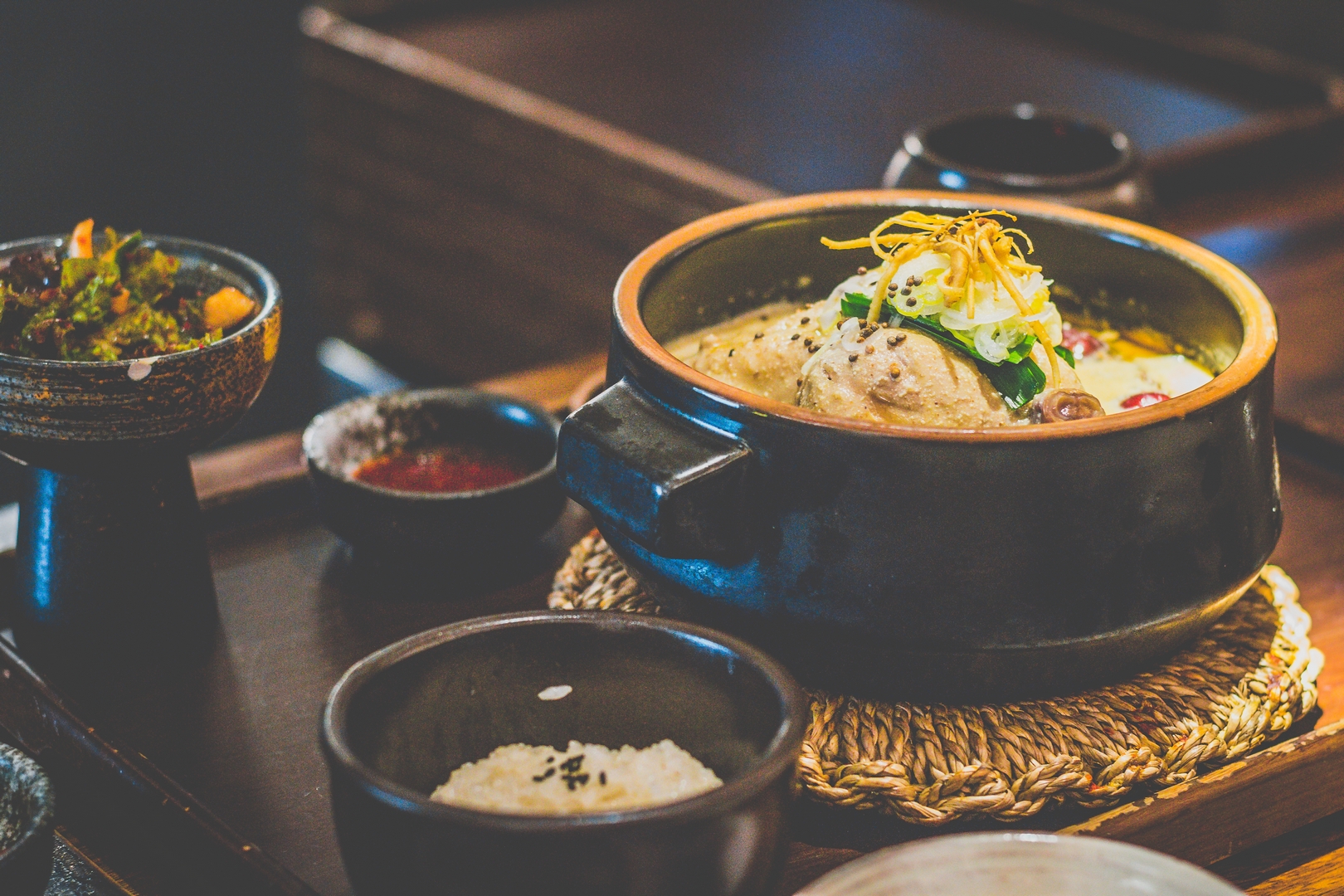
Among the most luxurious expressions of wellness cuisine in Singapore, the Collagen Herbal Samgyetang at MODU represents a fusion of ancient ritual and modern nutritional science. Served in an earthenware bowl that retains the broth’s warmth and integrity, the dish arrives as a near-religious moment — quietly steaming, deeply aromatic, unapologetically pure.

As you lift the lid, the aroma of ginseng, pine, and jujube fills the air, evoking Korean temple kitchens and medicinal apothecaries in equal measure. The chicken is fall-apart tender, its skin silken with collagen, having absorbed the essence of the broth over hours of low heat. Inside the cavity, glutinous rice — sticky and nourishing — soaks up the medicinal flavors like a sponge.

Each spoonful is a study in restraint and richness. The broth coats the mouth with softness, leaving a lingering trace of ginseng and leek. Collagen adds not just texture, but purpose: it supports joint mobility, skin elasticity, and gut lining integrity — particularly vital for those leading physically or mentally demanding lives. While rooted in Korean healing tradition, this is a dish that could hold its own on the wellness menus of the finest spas in the world.

Perilla Seed Samgyetang: A Lush Broth for Deep Restoration
If the Collagen Herbal Samgyetang is spiritual in tone, then the Perilla Seed version is textural, bold, and grounding — an alternative that speaks to those who enjoy richer flavors and earthy complexity. Its appearance is instantly different: the broth is opaque, almost creamy, with a faint silver-grey hue from the finely milled perilla seeds. This color signals depth — and indeed, what follows is a broth experience like no other.

Perilla seeds, long revered in Korea for their health-promoting omega-3 content, add a toasty, almost nut-butter dimension to the dish. The mouthfeel is velvety, yet light. It doesn’t coat with fat, but with richness of intention. It’s perfect for those recovering from fatigue, or those whose bodies are inflamed from travel, climate exposure, or stress. Like the Collagen version, the chicken is organic and young — tender, gentle, and highly digestible.

The garlic and jujube shine more in this version, as the base has a natural earthiness that complements their sweetness. Garnished with wisps of leek and a few toasted pine nuts, this Samgyetang feels as indulgent as a truffle risotto, yet it heals like a slow-release tonic. It is, in every sense, food as medicine, dressed in silk.
Tofu Samhap: A Composition of Umami and Restraint
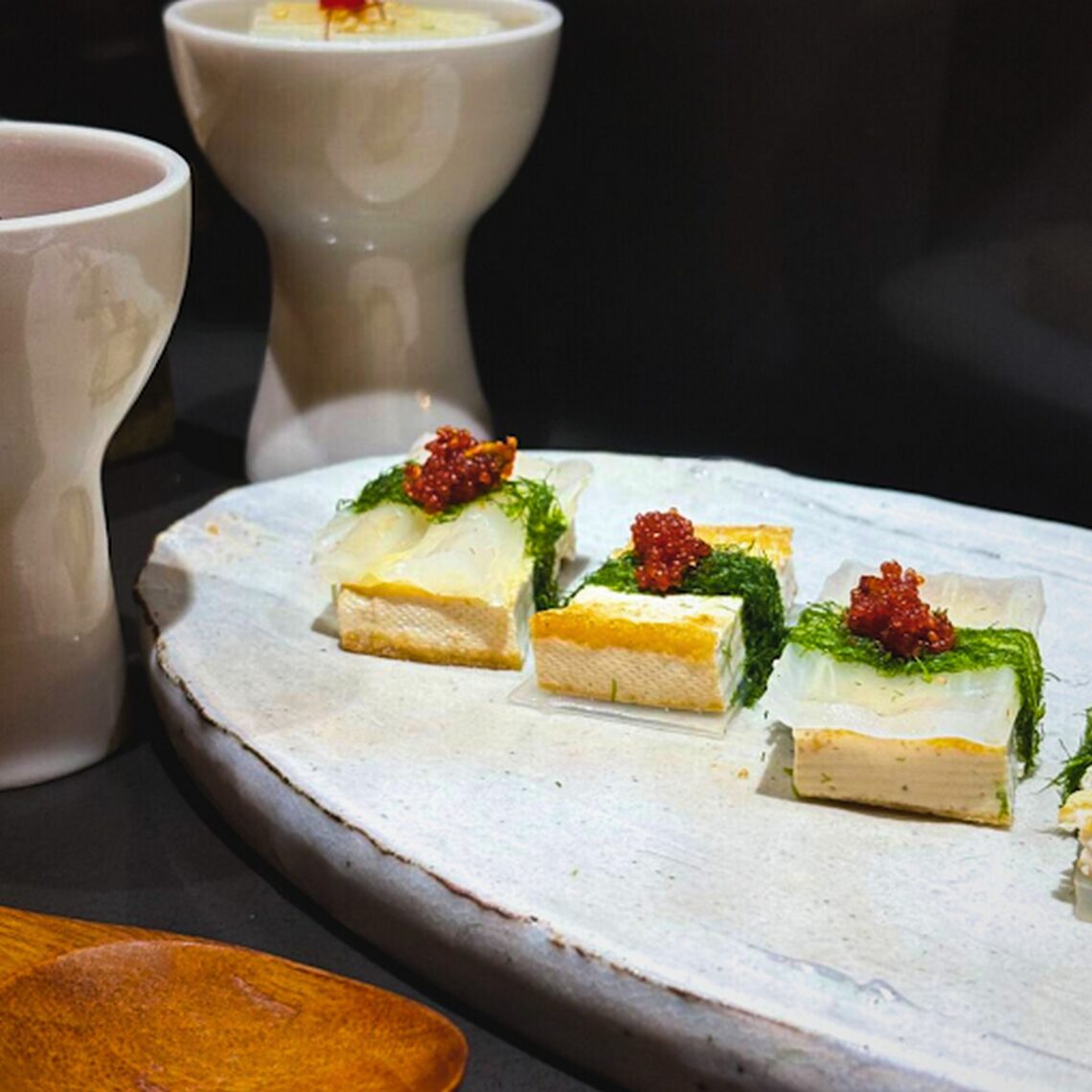
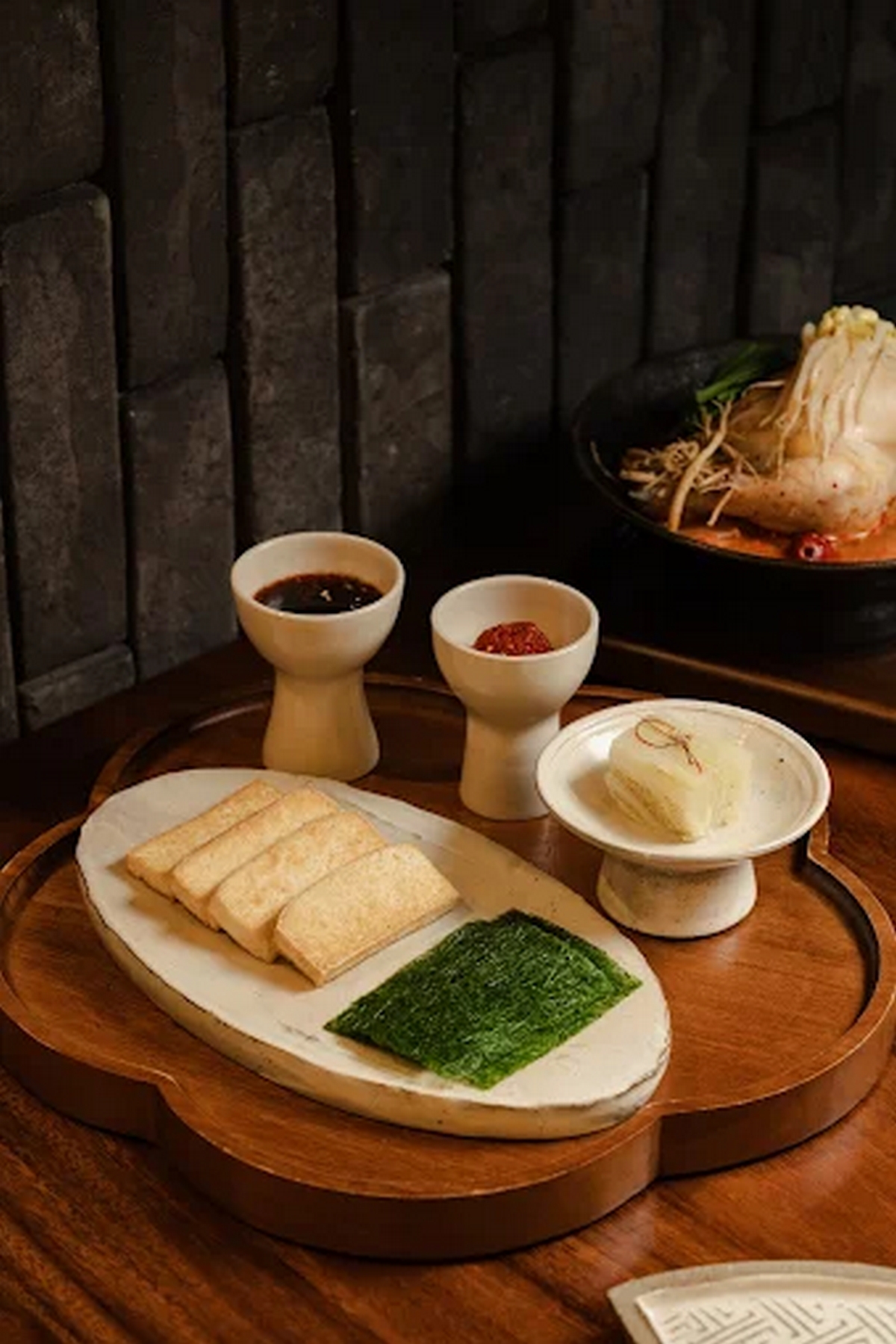
Visually minimalist but conceptually complex, the Tofu Samhap is MODU’s quiet masterpiece. Inspired by the concept of “samhap,” or the harmonious union of three distinct elements, this plate is a delicate triangulation of texture, salinity, and temperature. Grilled tofu, kissed with a barely-there crust, forms the neutral base — warm, smooth, and almost custard-like inside.
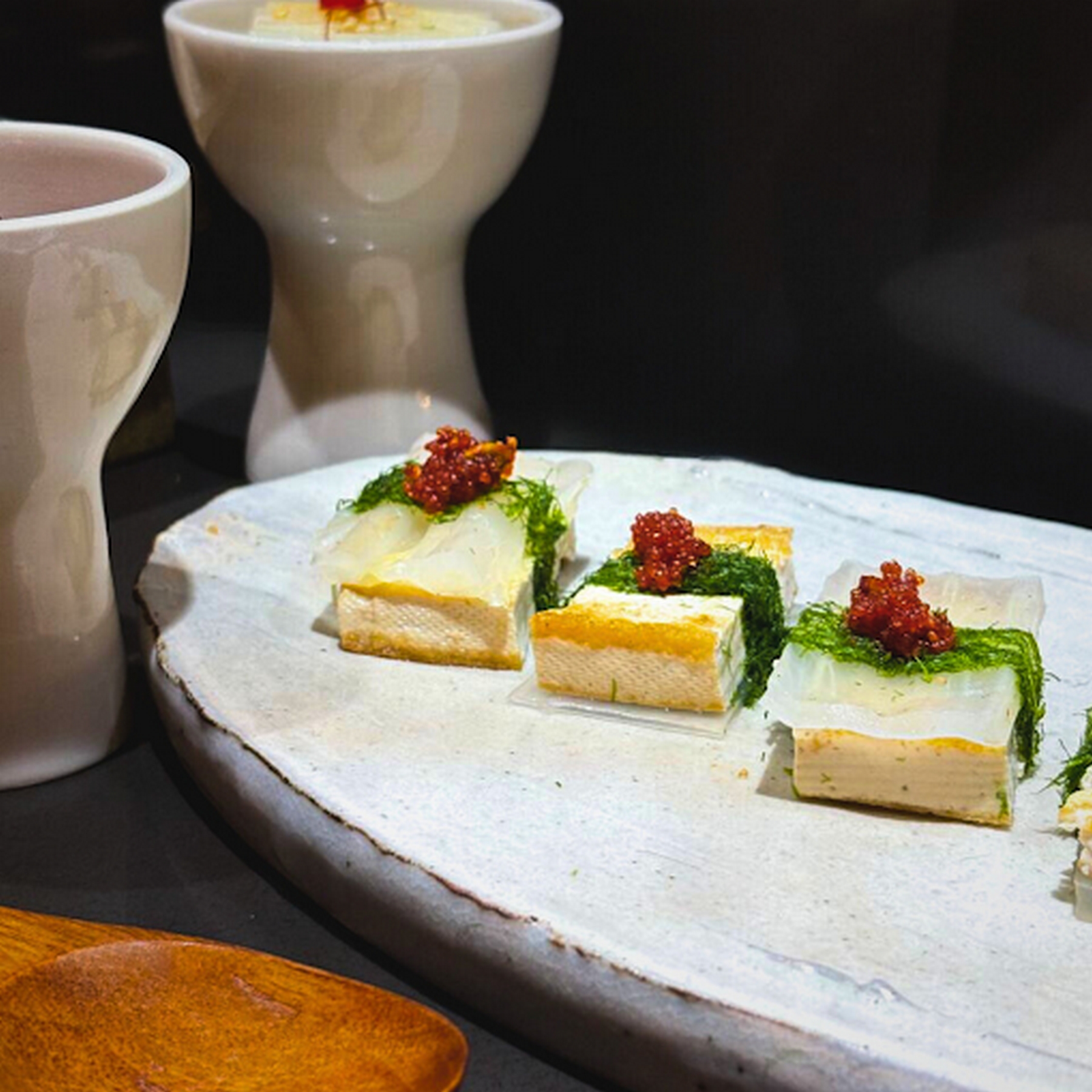
Resting on top is a medley that breaks all expectations: a subtle burst of fish roe that crackles with salinity, softened by the slow-cooked umami of braised cabbage, and anchored by gamtae, a rare and prized Korean seaweed that brings a whisper of the sea without overpowering the dish. Together, the elements form a palate of contrasts — creamy and briny, vegetal and mineral, soft and taut.
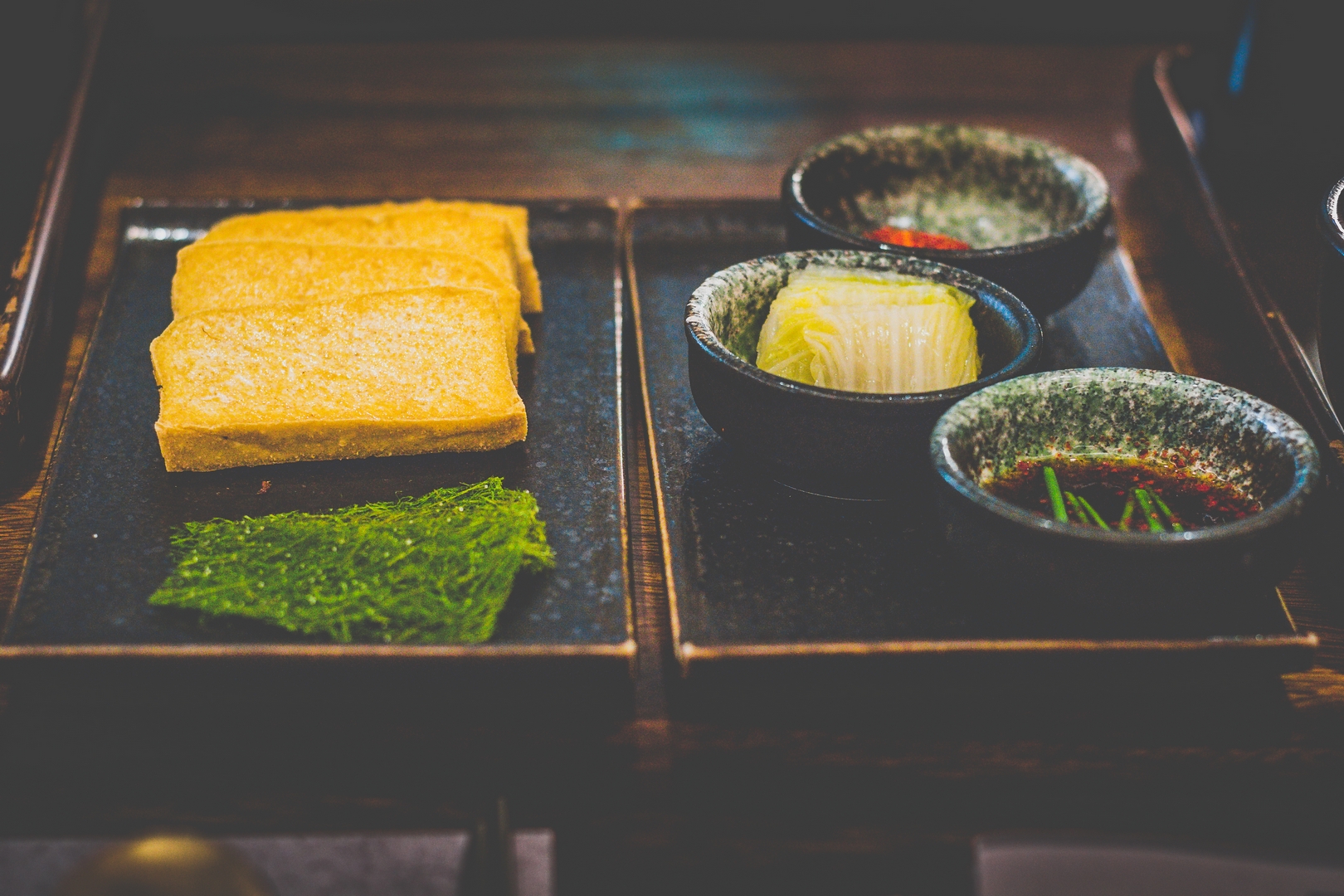
There’s no loud spice, no showmanship. This is a dish of intention, of quiet luxury, where the brilliance lies in restraint. It is perfect for those who favor subtlety over saturation — a small dish that lingers in memory long after it has left the plate.
Gotgam Mari: Dessert with Depth and Dignity
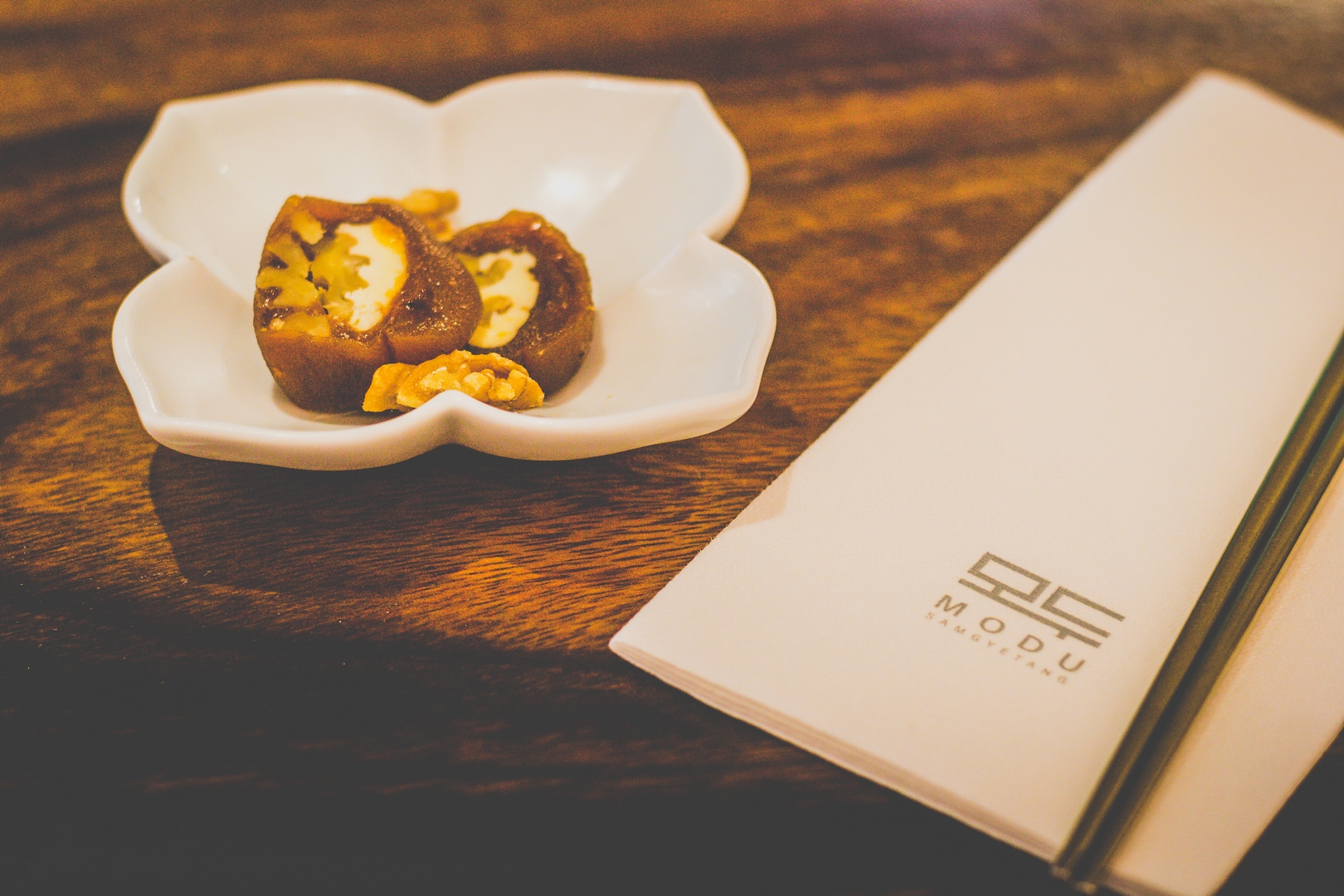
The Gotgam Mari at MODU is not merely a dessert — it is a closing statement. A meditation on Korea’s reverence for fruit, fermentation, and seasonal preservation, this dish captures the spirit of winter tables and ancestral ceremonies. It is made from gotgam, or dried persimmons, which are gently flattened and wrapped around a filling of whipped creamy cheese and finely crushed walnuts.
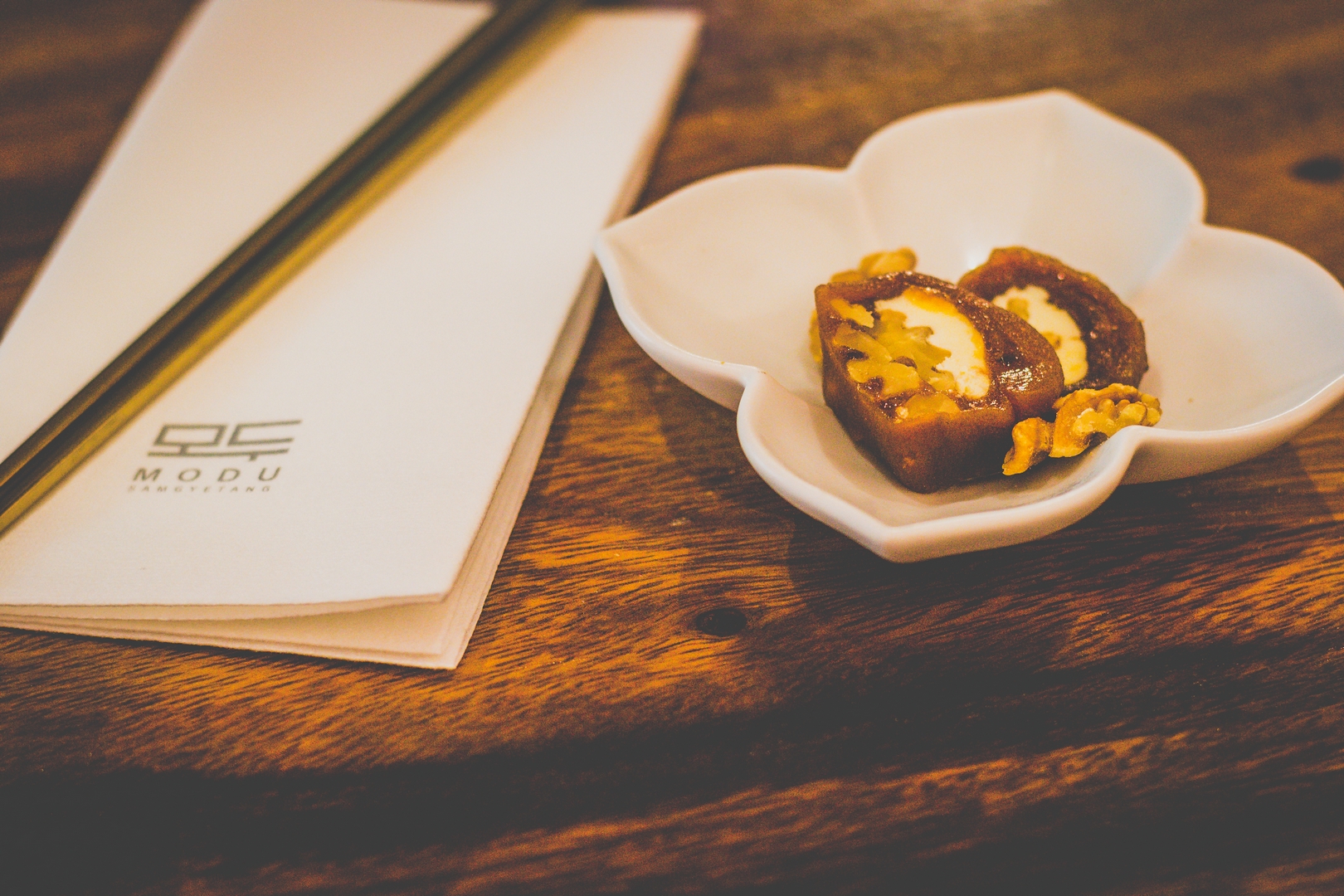
The sweetness is slow and nuanced — never sharp. The cheese is not cloying but quietly tangy, a foil to the dense, honeyed texture of the persimmon. The walnut adds crunch and grounding, echoing the earthiness of Korean mountain food. It is plated modestly, allowing the form and natural color of the persimmon to speak.
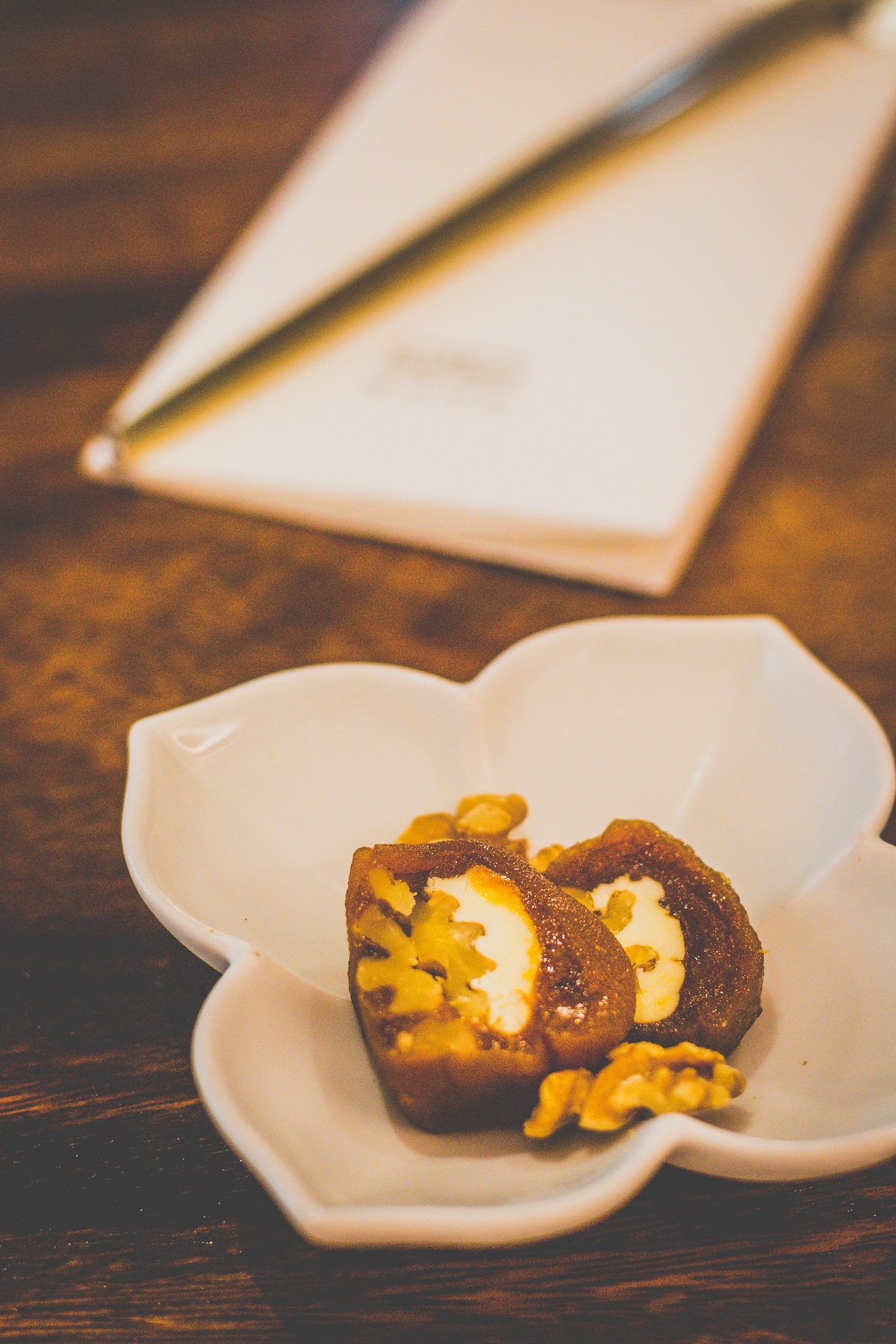
Beyond taste, Gotgam Mari carries cultural resonance. Dried persimmons have long symbolized good fortune and resilience in Korean folklore — a fitting metaphor for a dish that ends a healing meal with both grace and strength. It is deeply satisfying without being heavy, sweet without excess, and elegant without artifice.
Roasted Bellflower Tea: A Warm Whisper to End the Ritual
Few dining experiences are complete without a moment of reflection — and at MODU, this moment is quietly orchestrated through the serving of Roasted Bellflower Tea. It arrives warm, delicate, and comforting, not in grand ceremony, but in quiet reverence. The tea is made from the root of the bellflower, a cornerstone herb in Korean traditional medicine known for its respiratory and anti-inflammatory properties.
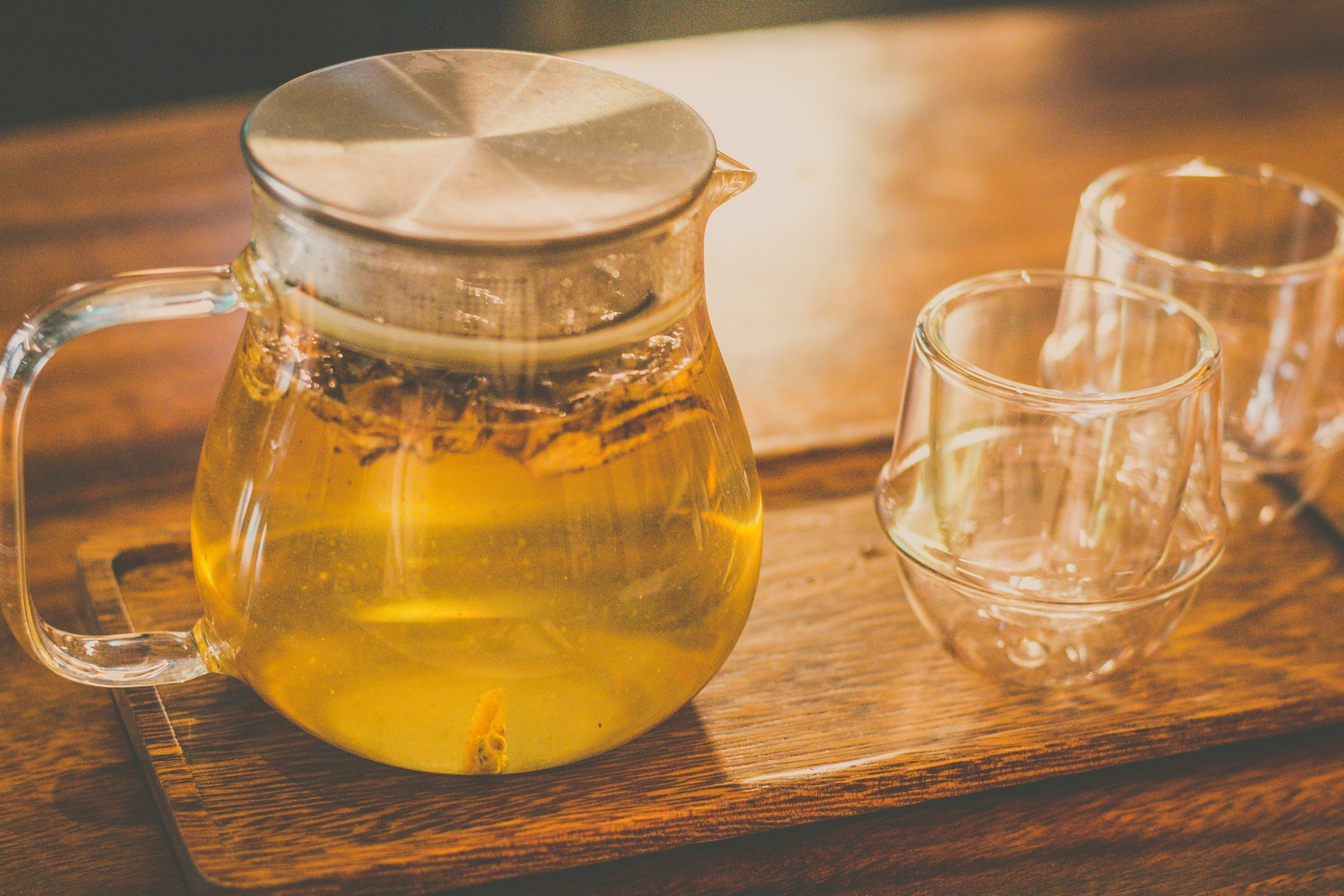
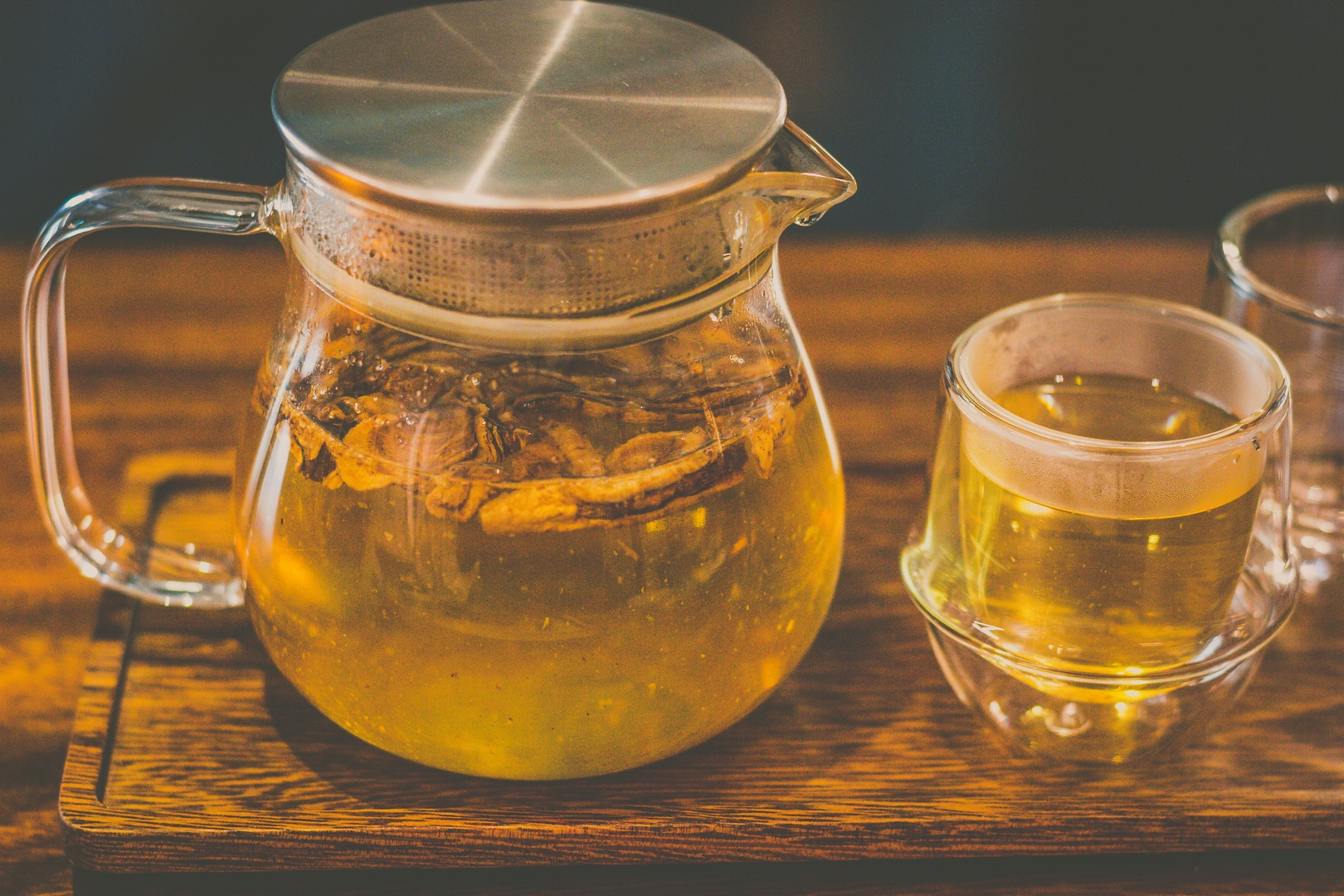
What distinguishes MODU’s version is the roasting process. The bellflower root is carefully slow-roasted before infusion, drawing out its natural sweetness while softening its natural bitterness. This creates a brew that is warm and mellow, with deep, toasty undertones reminiscent of barley tea, but with a more medicinal elegance. There’s a faint hint of honey and wild herb on the nose, followed by a lingering, caramelized finish that soothes the throat with each sip.
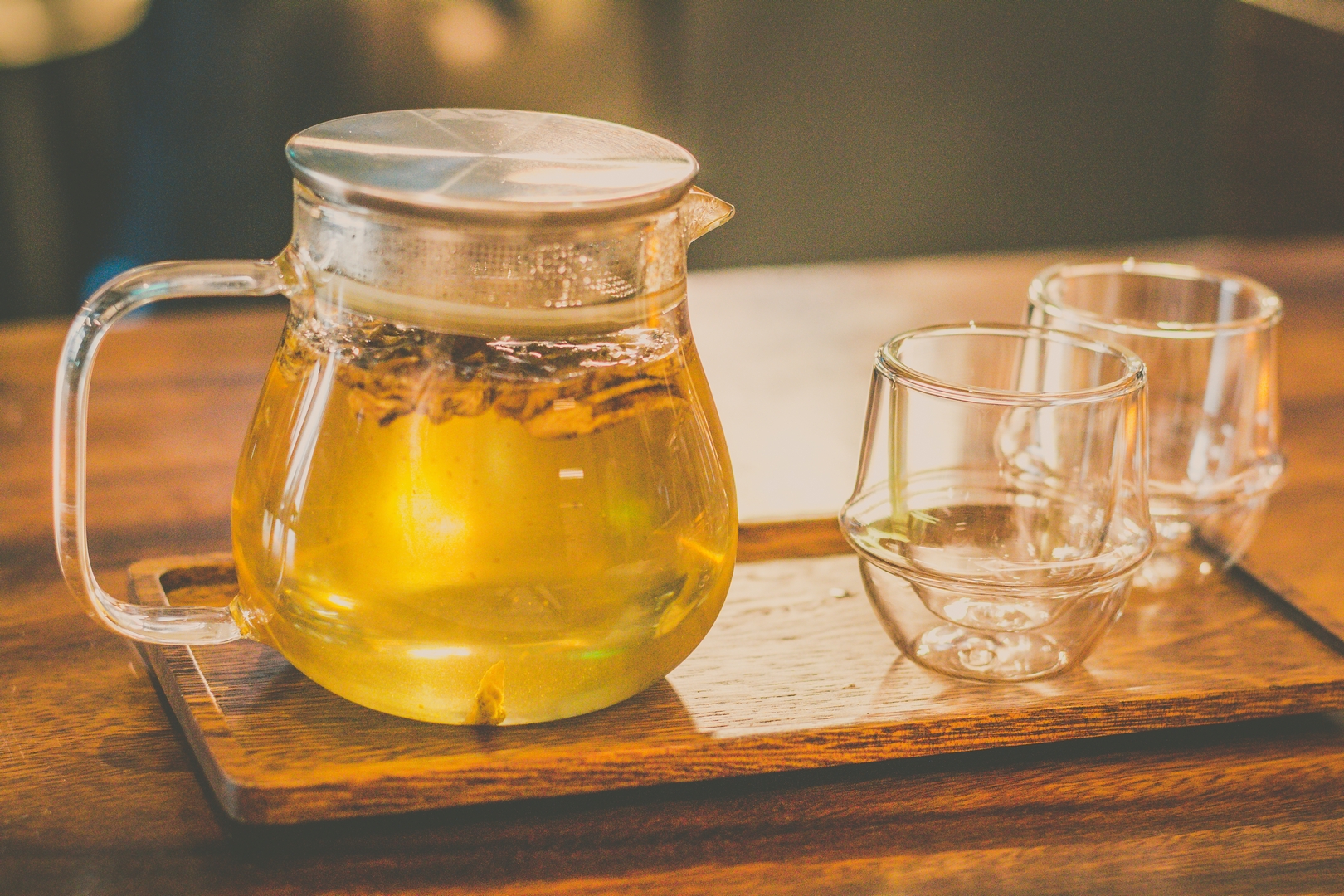
More than just a palate cleanser, this tea acts as a final gesture of care — a tonic that gently detoxifies the body, supports lung health, and calms the nervous system. It is particularly cherished in Korean culture for its ability to ease coughs, relieve chest discomfort, and enhance vocal clarity — making it a favorite among singers, speakers, and performers.
At MODU, this tea is more than tradition. It is part of the choreography — a warm exhale to end a meal that has been equal parts ritual, remedy, and refinement. For the discerning guest, it’s not merely a beverage. It’s a message: you are meant to leave lighter than you arrived.
MODU: Where Cuisine Becomes Ceremony
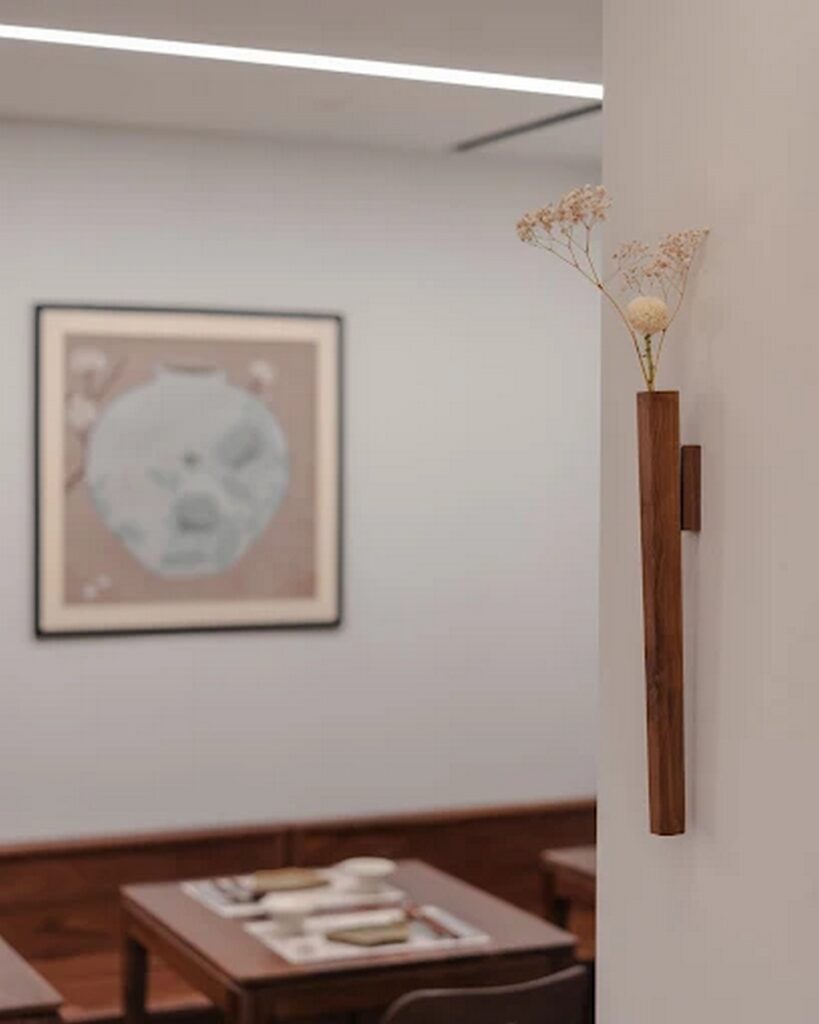
MODU is more than a restaurant. It is a space of stillness in a noisy world. A contemporary retreat where tradition isn’t preserved — it’s redefined. From its warm Hanok-inspired interiors to its meticulous, medicinally guided cuisine, MODU serves an increasingly rare commodity: intentionality.
For the discerning individual seeking sustenance with depth, elegance, and meaning — MODU is not just a destination. It is a ritual.
MODU Samgyetang Specialty Korean Restaurant
333A Orchard Rd, #02-37 Mandarin Gallery, Singapore 238897
Tel: 8035 8833
MODU Samgyetang | Best Korean Restaurant SG | Ginseng Chicken Soup – Modu Singapore