Where Fire Meets Familiarity: Inside Cherry & Oak’s Smoke-Driven Table
There is something elemental about food cooked over fire. Long before the language of contemporary gastronomy entered the dining lexicon, smoke, embers and patience were already transforming humble ingredients into something deeply expressive. At Cherry & Oak, that ancient instinct becomes the foundation for a distinctly modern dining experience—one that places slow-smoked meats, Asian flavours and the pleasure of gathering at the centre of the table.
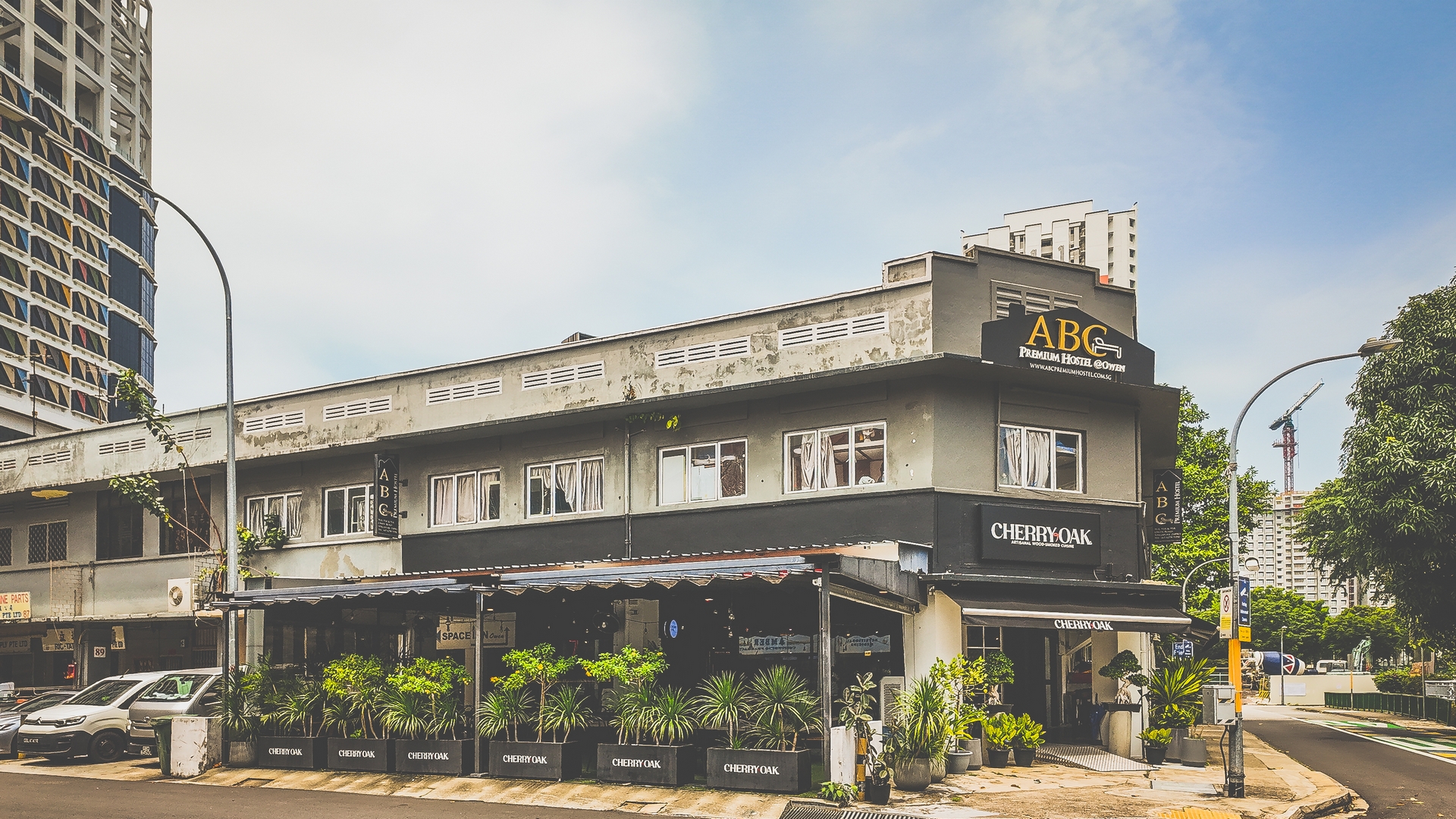
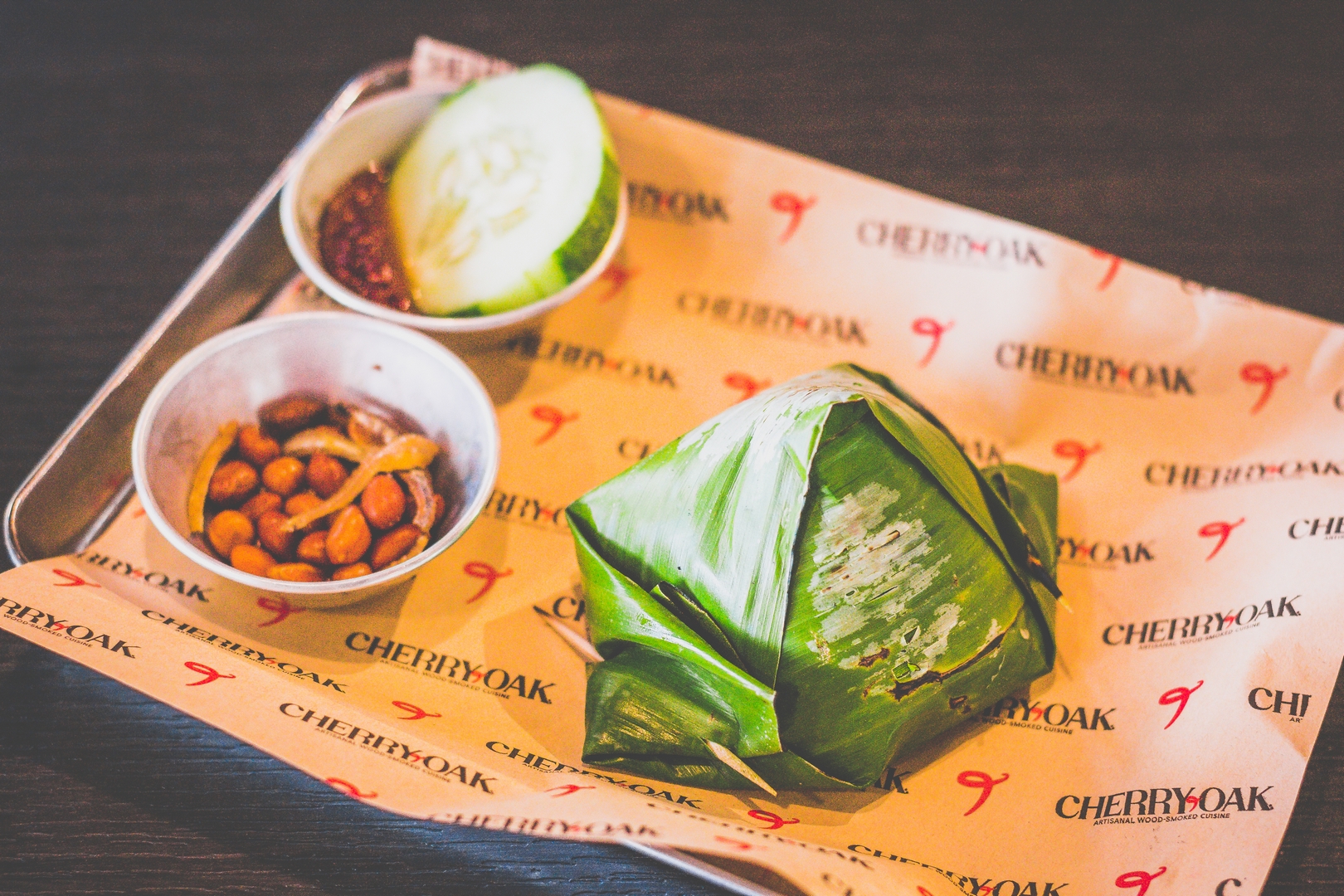
The restaurant’s philosophy is straightforward: low heat, long hours, no shortcuts. Yet its interpretation of barbecue is anything but conventional. Rather than leaning heavily on the familiar vocabulary of American barbecue accompaniments, Cherry & Oak introduces a more local point of reference, pairing its substantial smoked meats with Nasi Lemak Bakar—fragrant basmati rice wrapped in banana leaf and lightly grilled until the leaf imparts a gentle char.
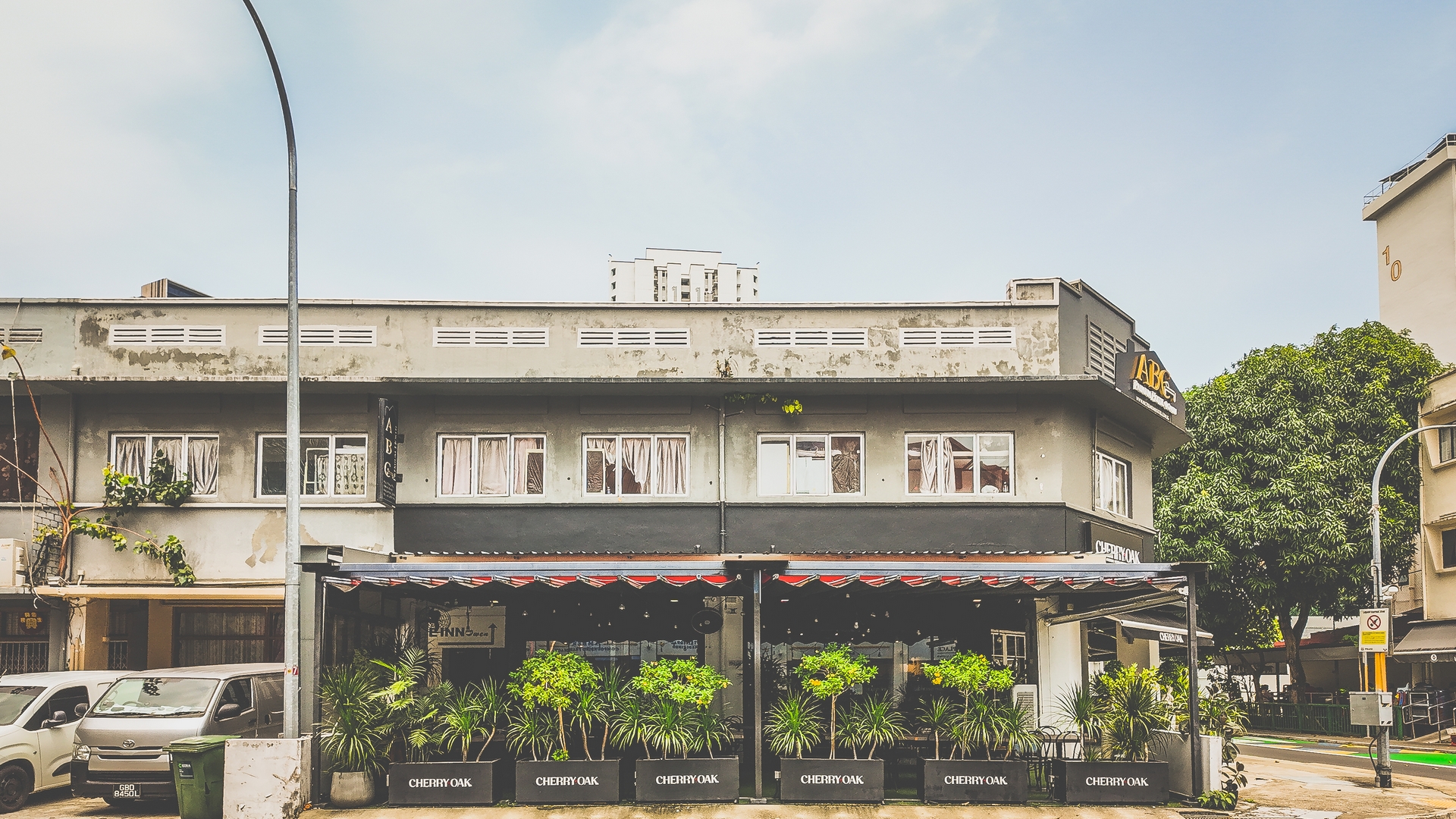
It is an approach that makes sense in Singapore, where culinary traditions have always evolved through encounter and exchange. Here, the smoky richness of barbecue meets the aromatic familiarity of Southeast Asian flavours, producing a style of contemporary gastronomy that feels approachable without diminishing the craftsmanship behind the cooking.

At the helm of the dining room, manager Shawn brings a friendly, affable presence, overseeing an efficient team whose service is timely without becoming intrusive. The result is an atmosphere that encourages lingering: dinner unfolds less like a formal procession and more like an animated gathering around a table, where food is passed, flavours compared and conversation allowed to take its natural course.
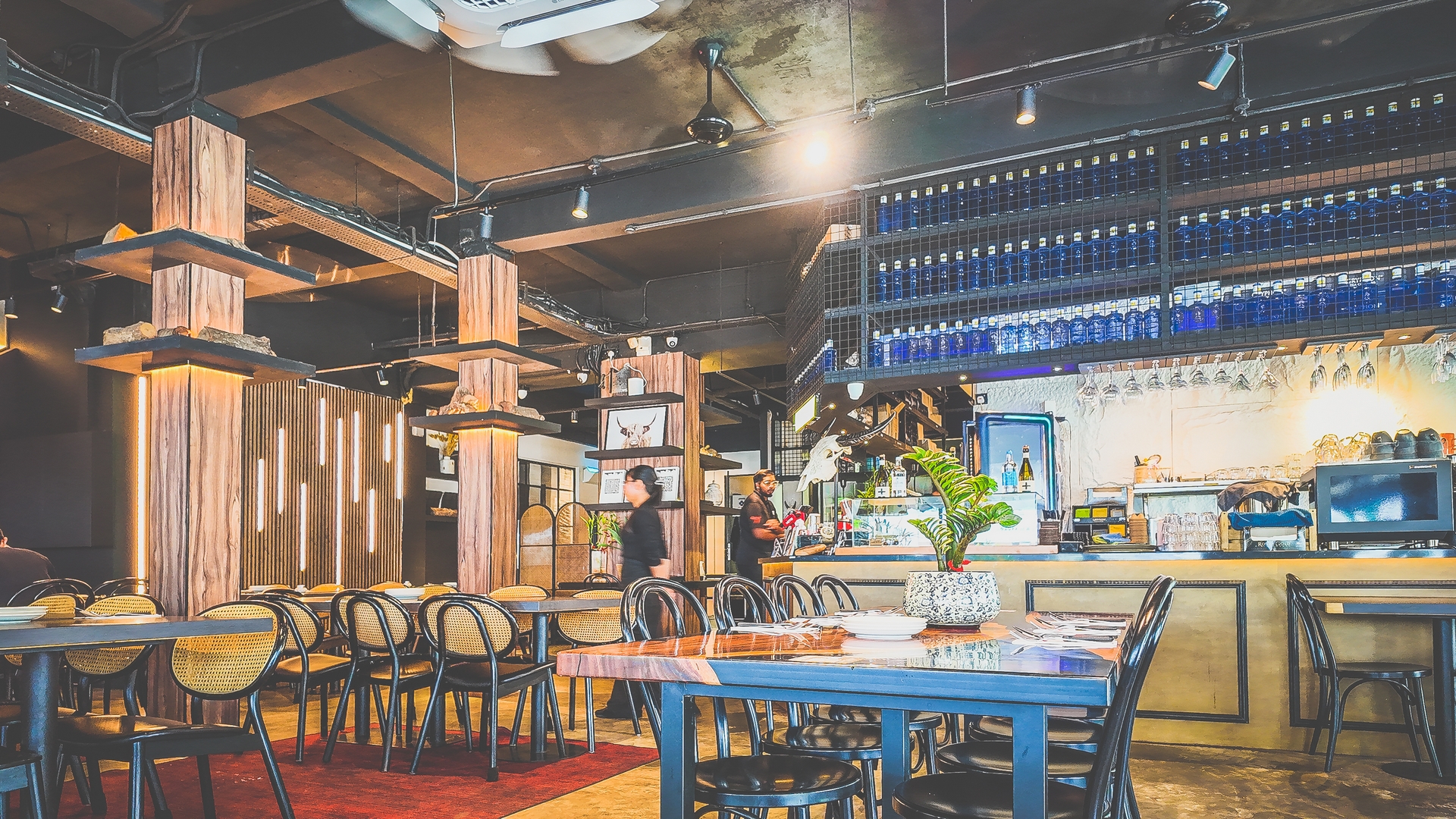
That philosophy is important to understanding Cherry & Oak. The restaurant does not treat barbecue simply as a cooking technique. Fire is the medium; gathering is the purpose.
A Smokehouse Built on Patience
The kitchen’s signature is its use of cherry and oak wood. Cherry wood lends smoke a softer, subtly fruity character and contributes to the meat’s appealing reddish hue, while oak provides the dependable heat and deeper smoky foundation required for lengthy cooking.
For the brisket in particular, time is an ingredient in its own right. The Black Angus grass-fed cut spends approximately 14 hours in the smoker, allowing the connective tissue to gradually yield while the exterior develops a pronounced smoky character. It is precisely this slow transformation that distinguishes serious barbecue from meat that has merely been exposed to smoke.

The menu also extends beyond beef. Lamb ribs are smoked before being grilled, chicken wings receive a shorter smoking treatment before being glazed, and vegetables are introduced to the wood fire rather than relegated to the role of afterthought. Across the menu, there is a consistent attempt to preserve the natural character of each ingredient while allowing fire to add another dimension.
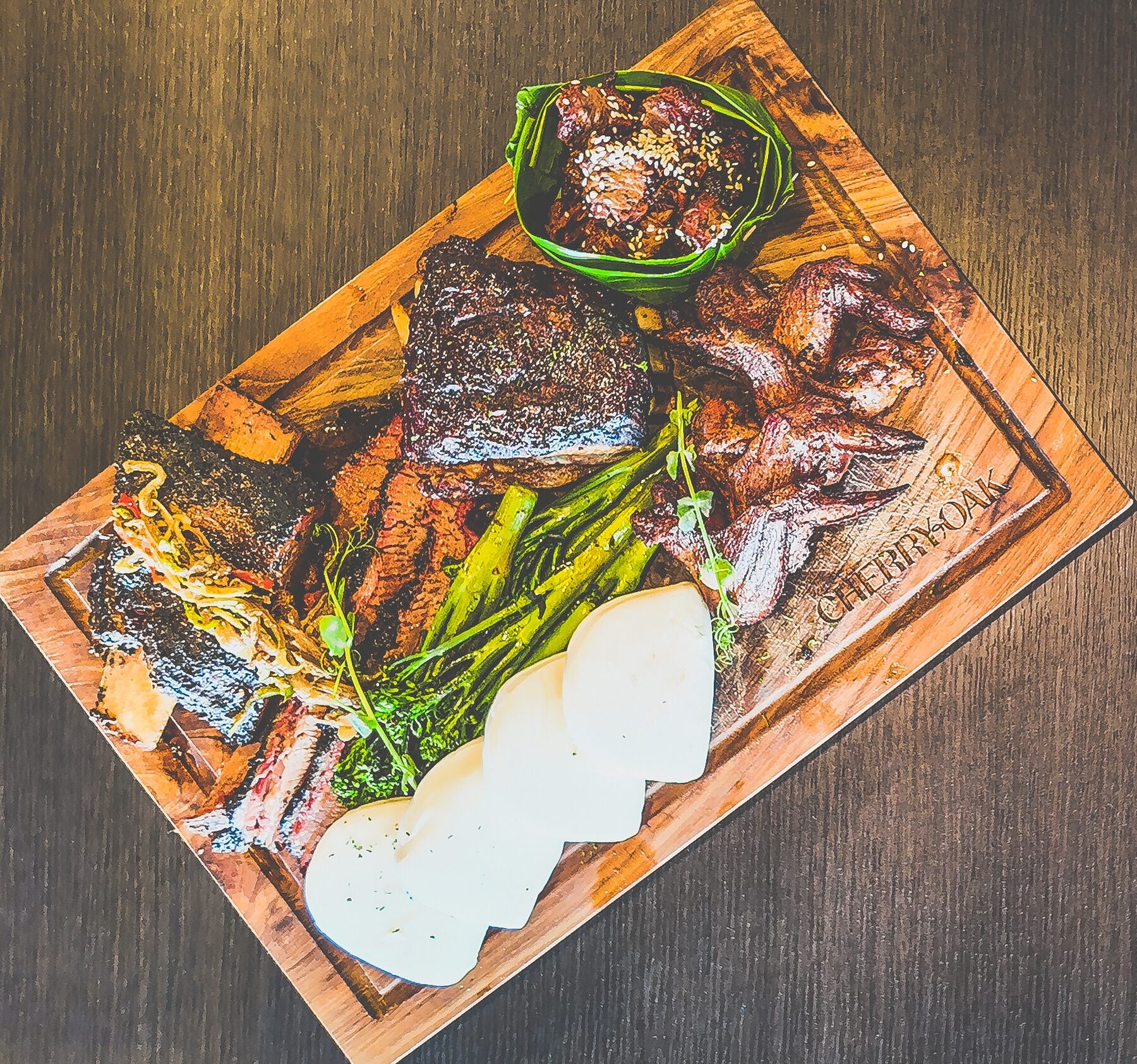
The Pitmaster Platter
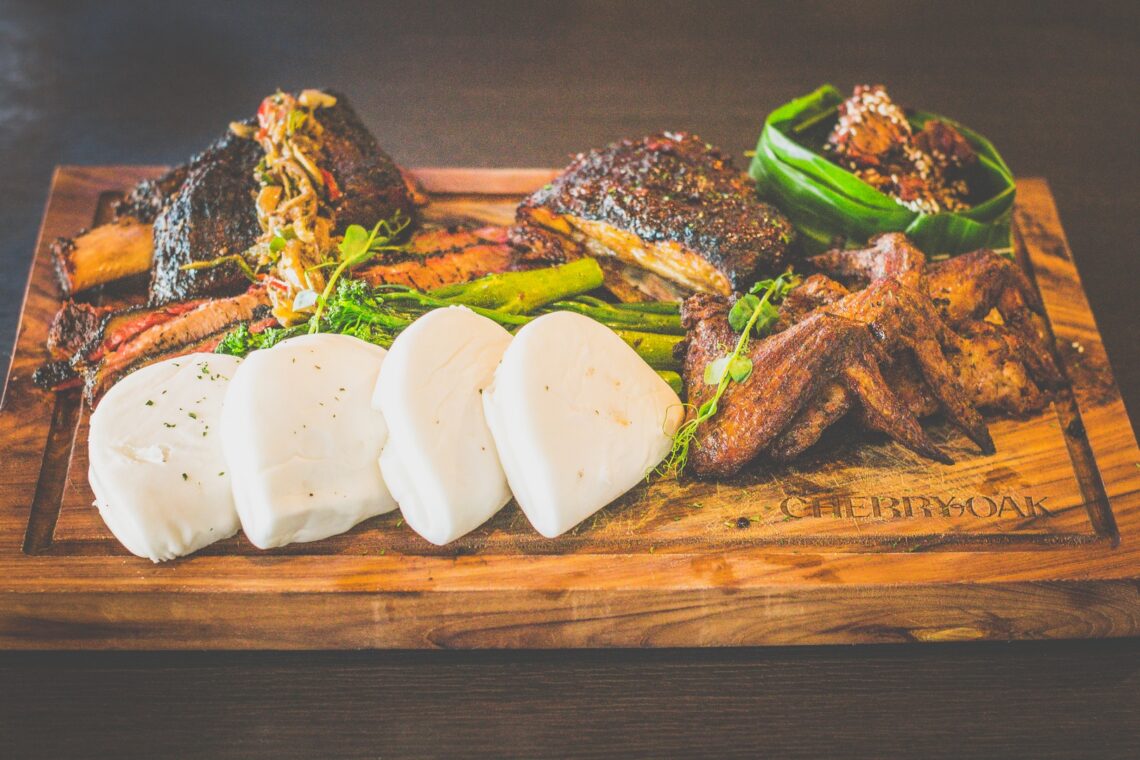
Brisket
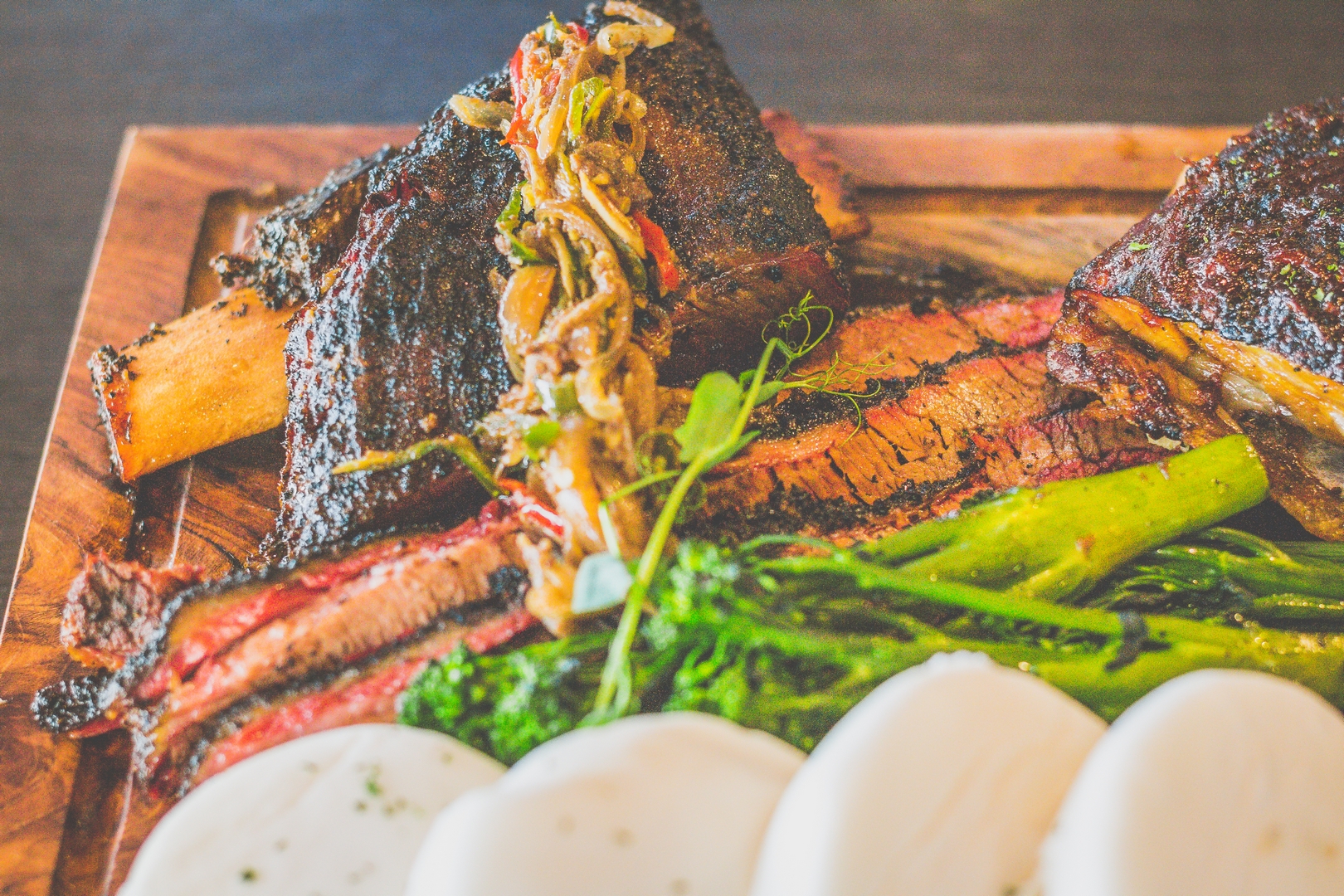
The brisket arrives as one of the platter’s defining pieces: approximately 200g of Black Angus grass-fed beef, smoked for 14 hours before being served with Cherry & Oak’s house barbecue sauce. The preparation is deliberately patient, allowing the cut’s substantial structure to soften gradually while smoke permeates the meat. Its presentation is restrained, keeping attention on the beef itself rather than masking it beneath elaborate garnishes.
A properly smoked brisket should reveal itself in layers, and this preparation is built around precisely that progression. The first impression is smoke—deep but not merely acrid—followed by the beef’s savoury richness and the rounded sweetness of the house sauce. The long cooking time gives the meat a yielding texture, while the exterior carries the more concentrated flavours created during the smoking process.
There is something particularly satisfying about the brisket because it makes Cherry & Oak’s philosophy immediately legible. Fourteen hours of cooking cannot be hurried, and the dish communicates that patience without theatrics. It establishes the platter’s central idea: that time, smoke and quality ingredients can produce depth without unnecessary complication.
Burnt Ends
The burnt ends take the most indulgent elements of brisket and concentrate them further. Smoked Australian brisket is cut into richly caramelised pieces and offered with a choice of BBQ, Lemak Cili Api or Sambal flavours, allowing the diner to steer the dish towards either classic barbecue territory or a distinctly Southeast Asian expression.
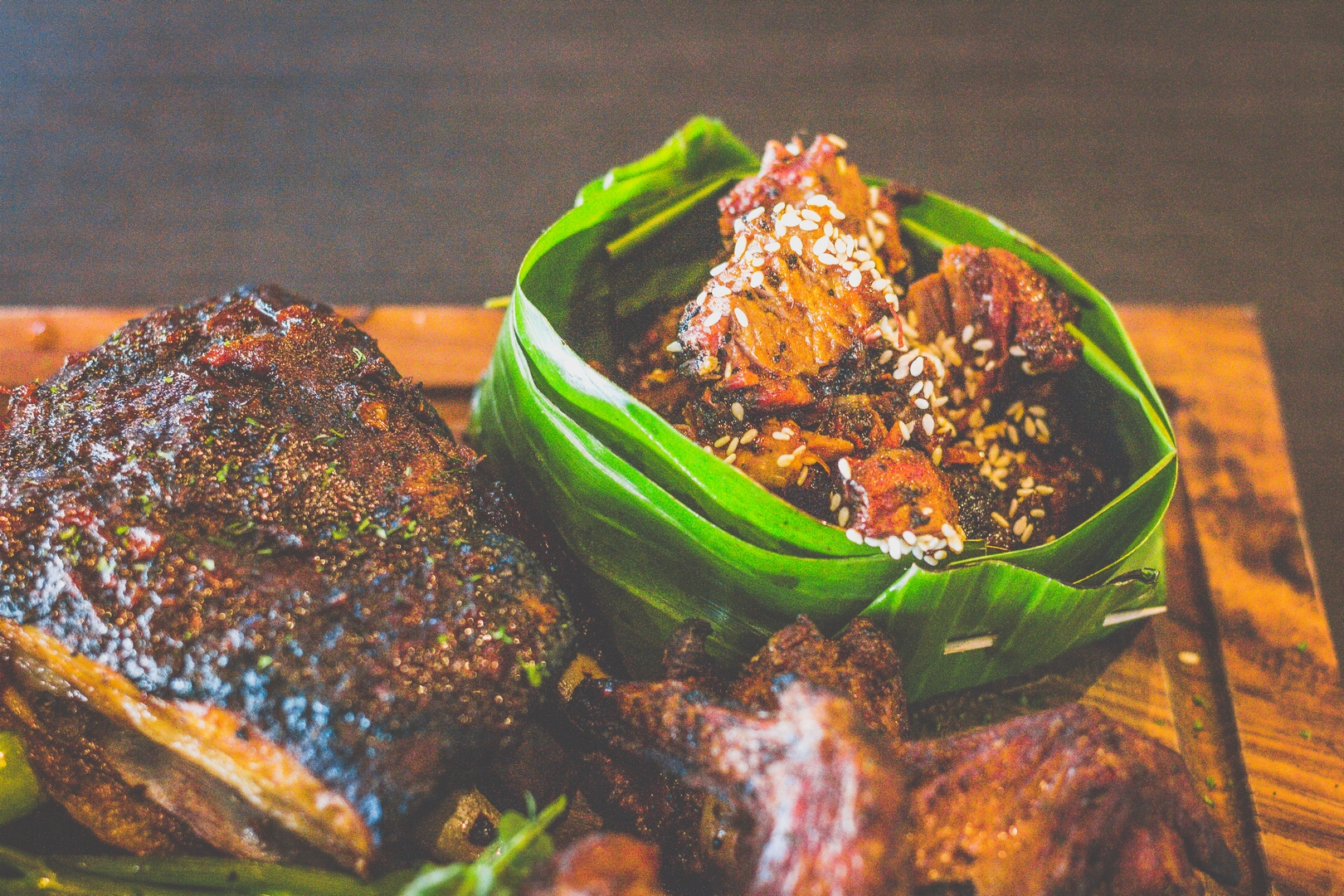
Their appeal lies in contrast. The smoky exterior and rendered richness create a dense, almost lacquered sensation, while the sauces introduce different forms of lift and heat. The BBQ version emphasises sweetness and smoke; Lemak Cili Api introduces the creamy, aromatic warmth associated with coconut and chilli; while Sambal brings a more assertive chilli-driven intensity. Each accent shifts the brisket’s personality without erasing its underlying smokiness.
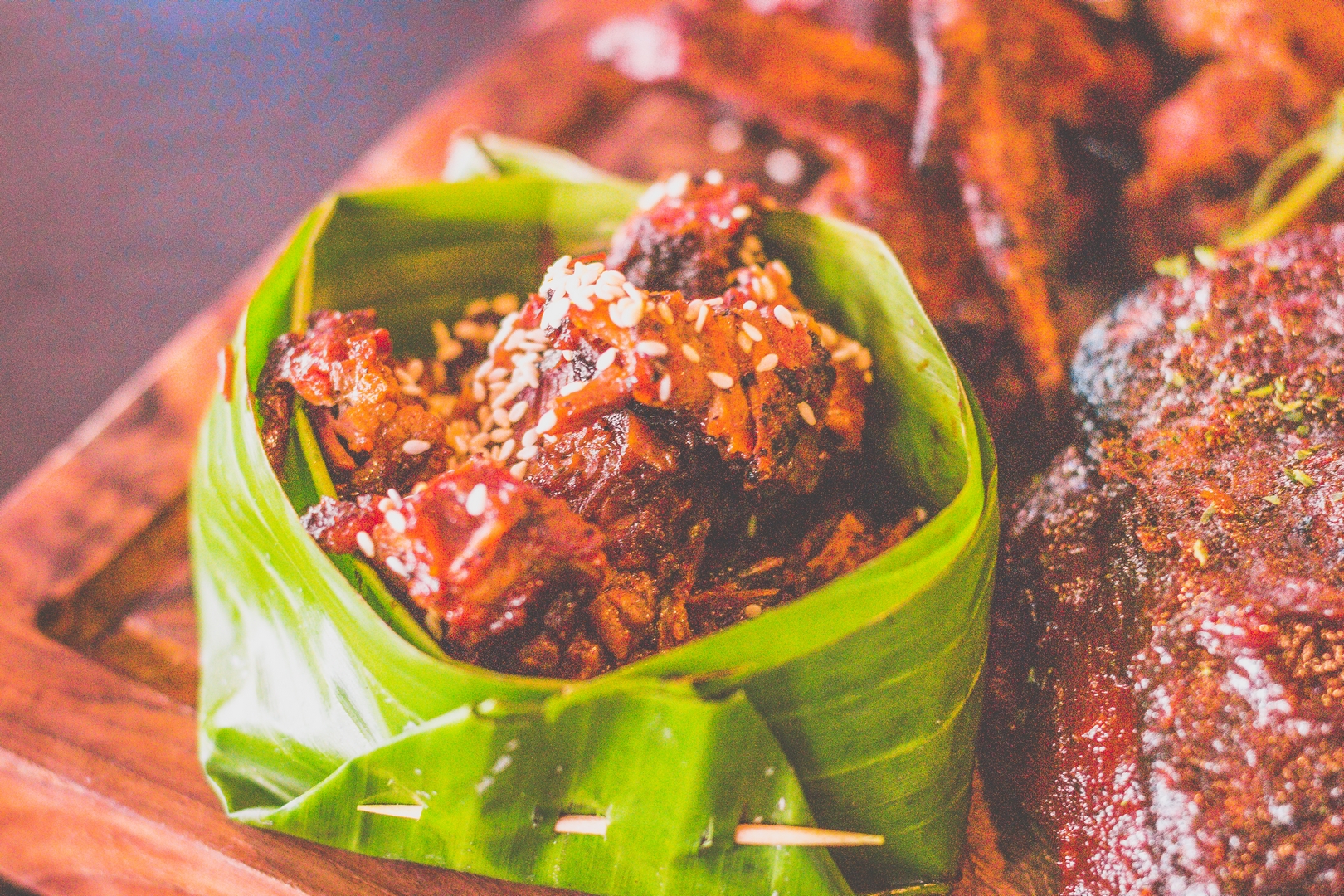
Among the platter’s selections, the burnt ends perhaps best articulate Cherry & Oak’s culinary identity. This is where the restaurant moves most confidently beyond the boundaries of conventional barbecue, using familiar local flavour profiles not as novelty but as a natural counterpoint to smoke and beef. It is a small but telling example of how gourmet cuisine can remain recognisable while still being inventive.
Beef Short Ribs
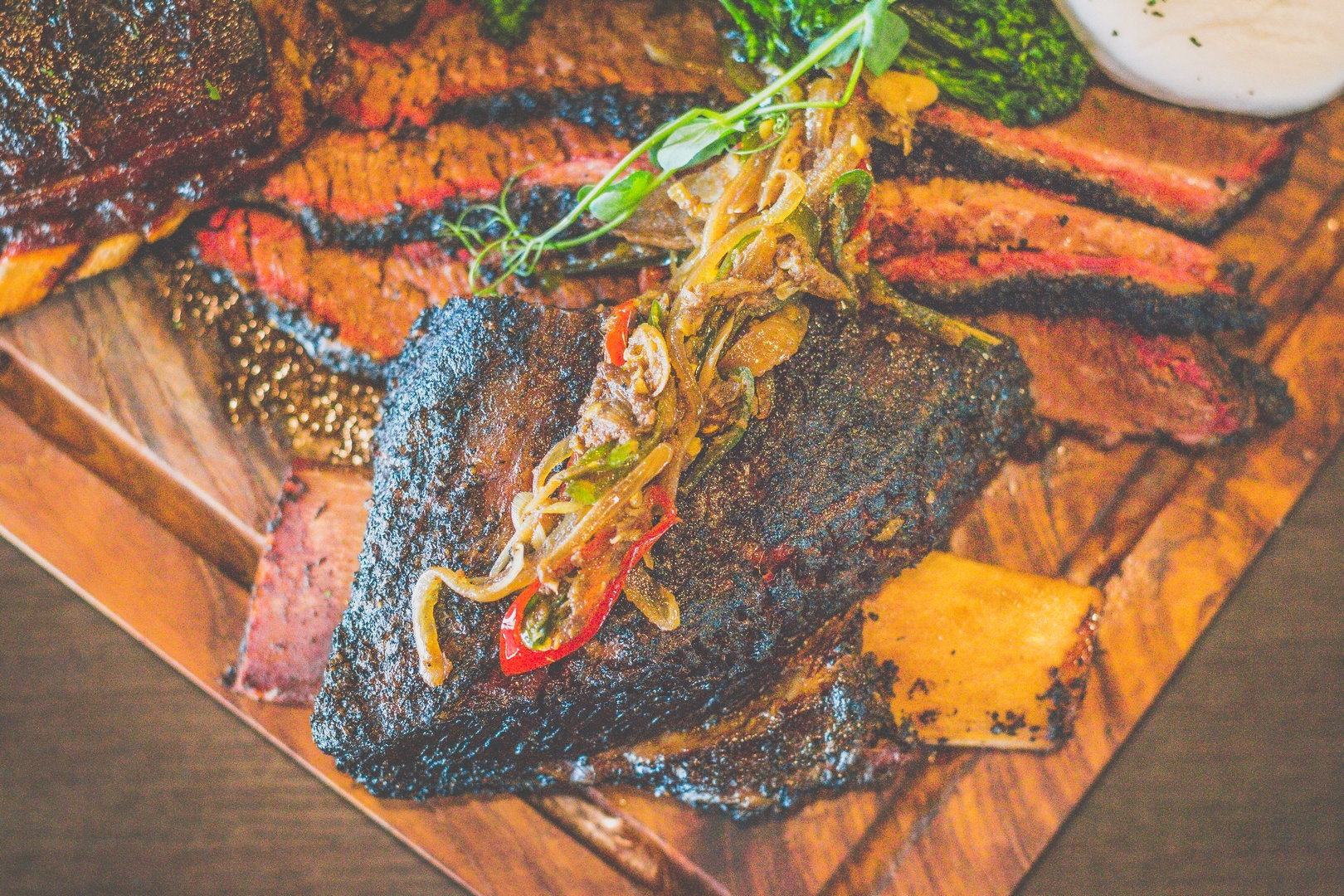
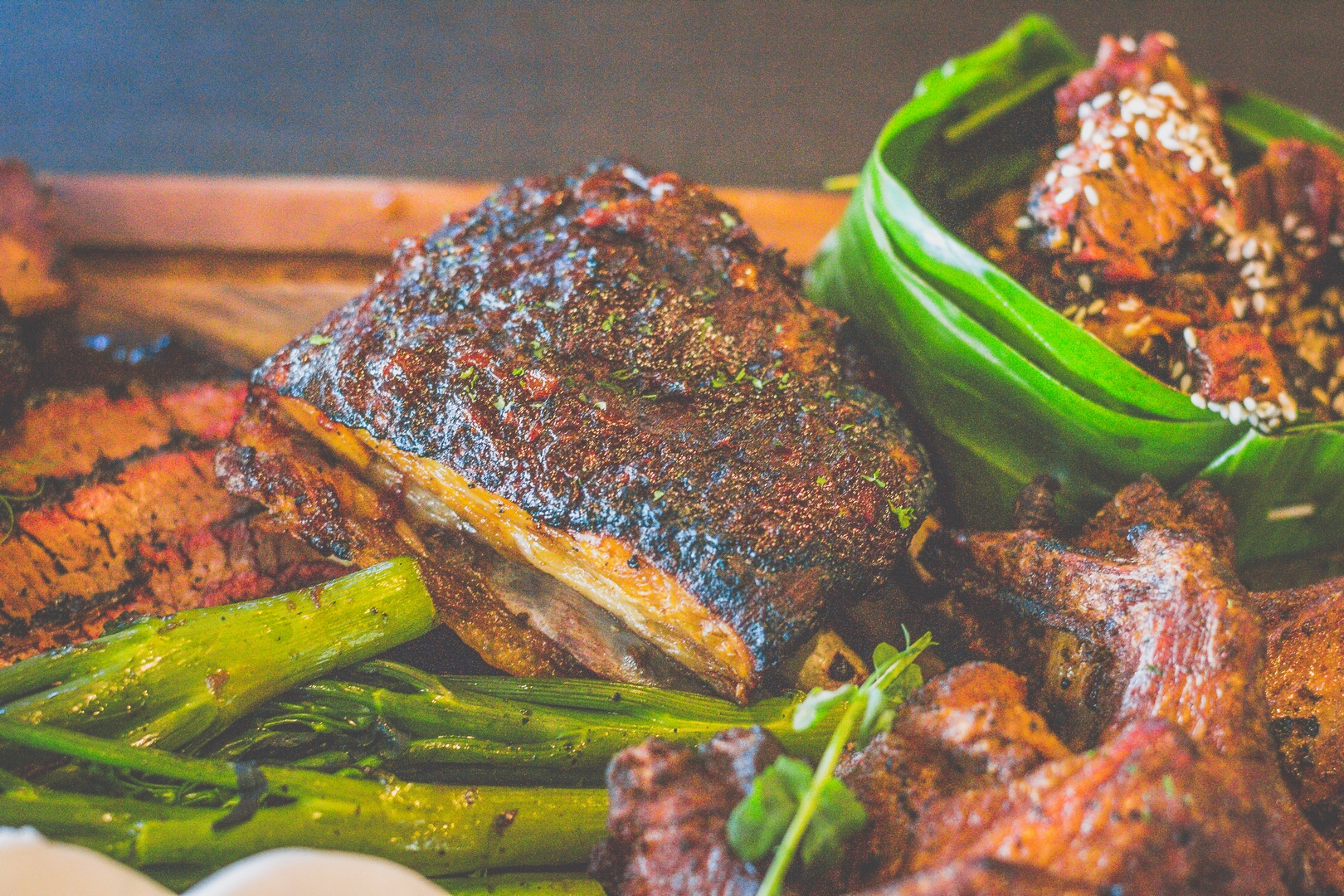
The beef short ribs are considerably more substantial, arriving as an approximately 500g portion of Black Angus beef that has been smoked and served with the house barbecue sauce. The cut lends itself naturally to slow cooking, and the preparation allows the collagen-rich meat to develop the supple quality associated with long, controlled exposure to heat.
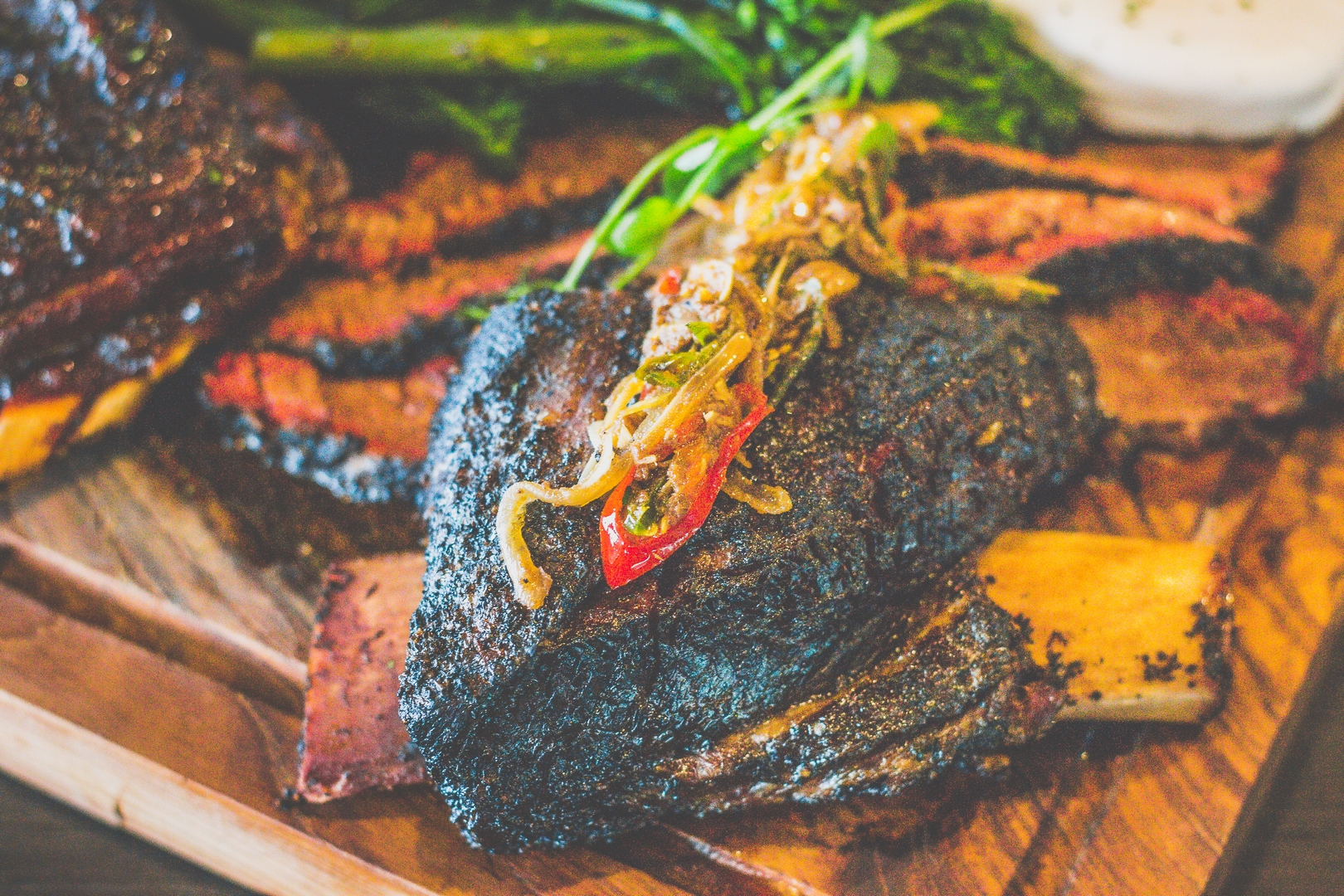
The sensory profile is correspondingly deep. Smoke provides the aromatic backbone, while the beef brings a pronounced savouriness and richness. The texture moves from the firmer exterior towards softer, more yielding meat within, creating a satisfying contrast between the concentrated outer layer and the tender interior. The barbecue sauce adds sweetness and acidity, preventing the richness from becoming one-dimensional.
As a centrepiece, the short rib gives the platter its sense of occasion. It is not a delicate composition, nor does it pretend to be. Its pleasure comes from generosity, patience and the elemental satisfaction of a substantial cut transformed slowly by fire. In the context of a Singapore fine dining landscape increasingly interested in technique and provenance, it offers another perspective: mastery can also be expressed through restraint and time.
Denver Lamb Ribs
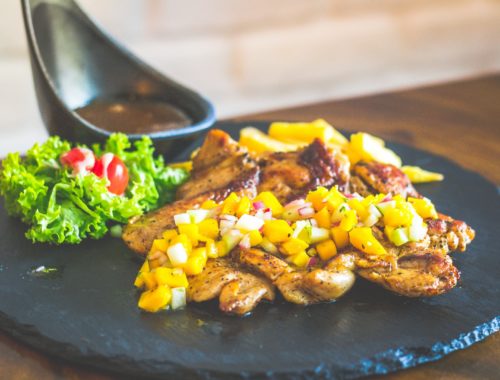
The Denver lamb ribs bring a different character to the platter, using approximately 500g of lamb spare ribs that are first smoked, then grilled and finished with house barbecue sauce, Thai green chilli and mango slaw. The two-stage cooking process is particularly important, combining the deeper flavour developed through smoking with the more immediate char of grilling.
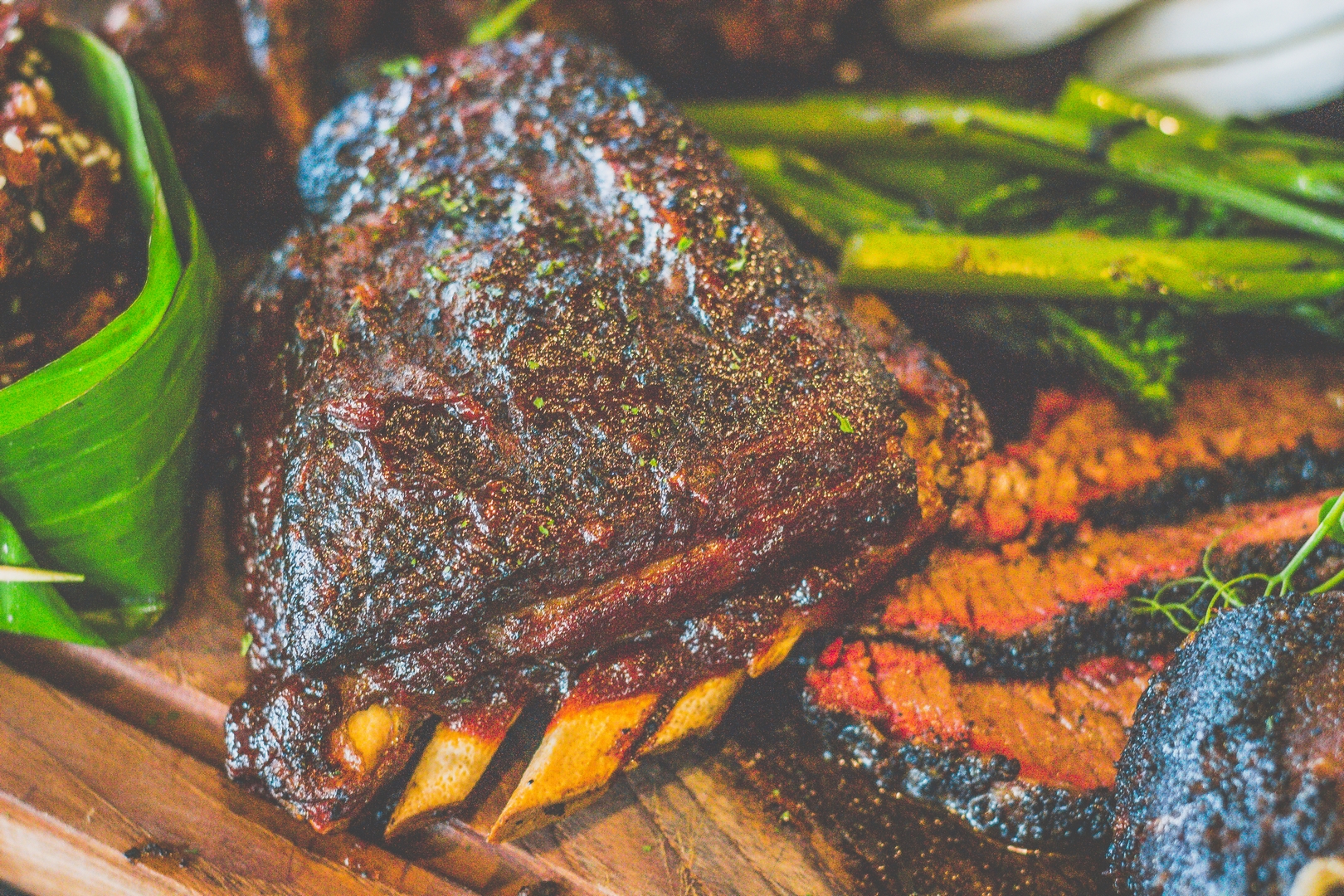
Aroma shifts from the lamb’s naturally distinctive savouriness to wood smoke and finally the brighter notes of chilli and mango. The grilled exterior contributes charred edges, while the meat remains rich and succulent. The mango slaw provides a crisp, refreshing counterpoint, its fruitiness and acidity cutting through the fattiness of the ribs. Thai green chilli adds another layer of freshness and heat, creating a more dynamic finish.
This is perhaps the platter’s clearest expression of balance. Lamb can easily become overwhelming when paired only with smoke and rich sauces, but the combination of tropical fruit, chilli and crunch keeps the dish moving. It also reinforces Cherry & Oak’s instinct to look towards Asian flavours for contrast rather than simply adding more richness.
Smoked Chicken Wings
The chicken wings receive a shorter 20-minute smoking treatment before being glazed with a sweet-and-spicy kicap sauce. Compared with the brisket and ribs, the technique is intentionally more immediate: enough smoke to establish the restaurant’s signature, followed by glazing to build a glossy, flavourful exterior.
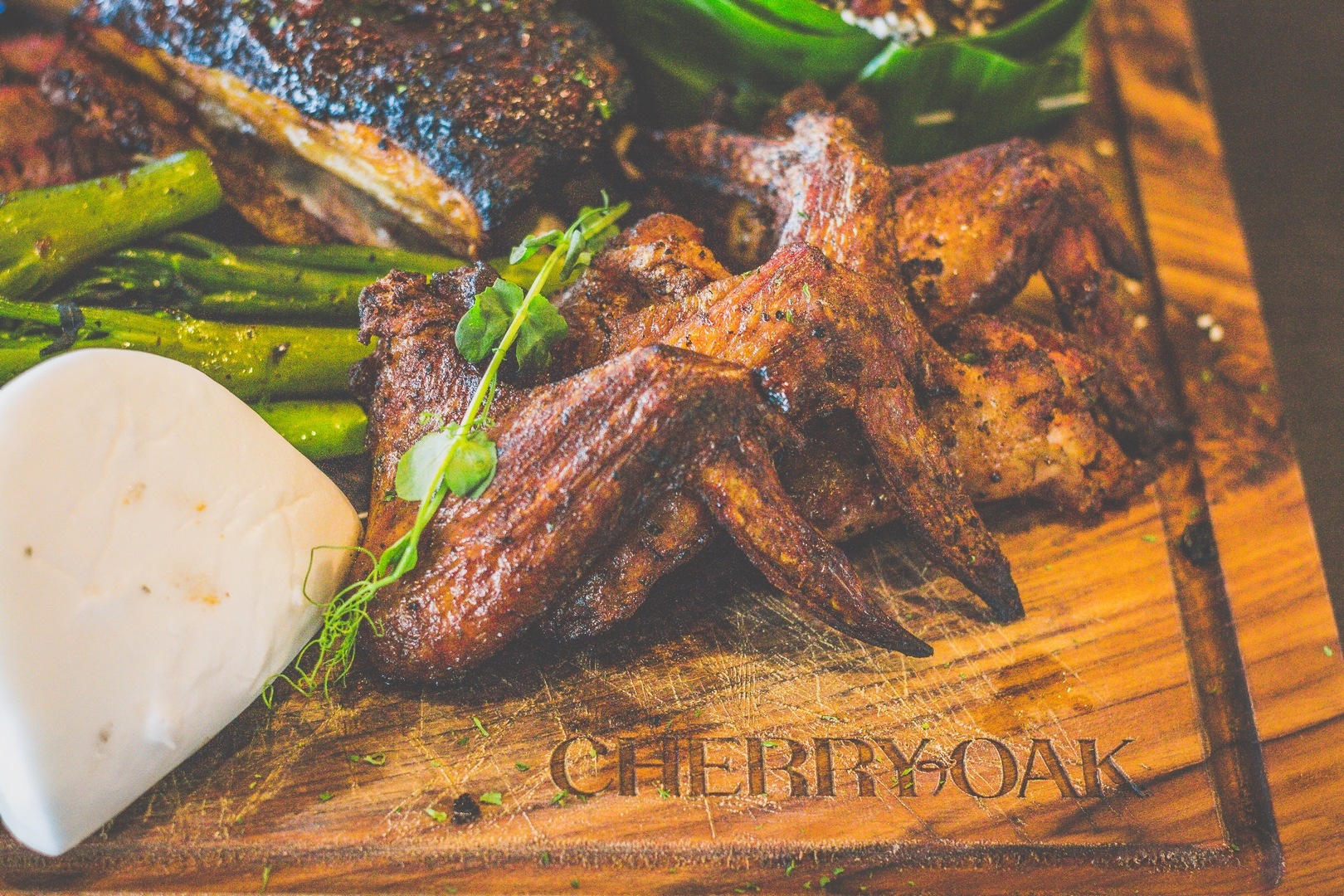
The kicap brings a familiar savoury-sweet quality, while chilli introduces a gentle sense of heat. Smoke sits beneath those flavours rather than overwhelming them, allowing the chicken to retain its approachable character. The combination of glaze and char creates the kind of tactile pleasure that makes wings particularly well suited to communal dining.
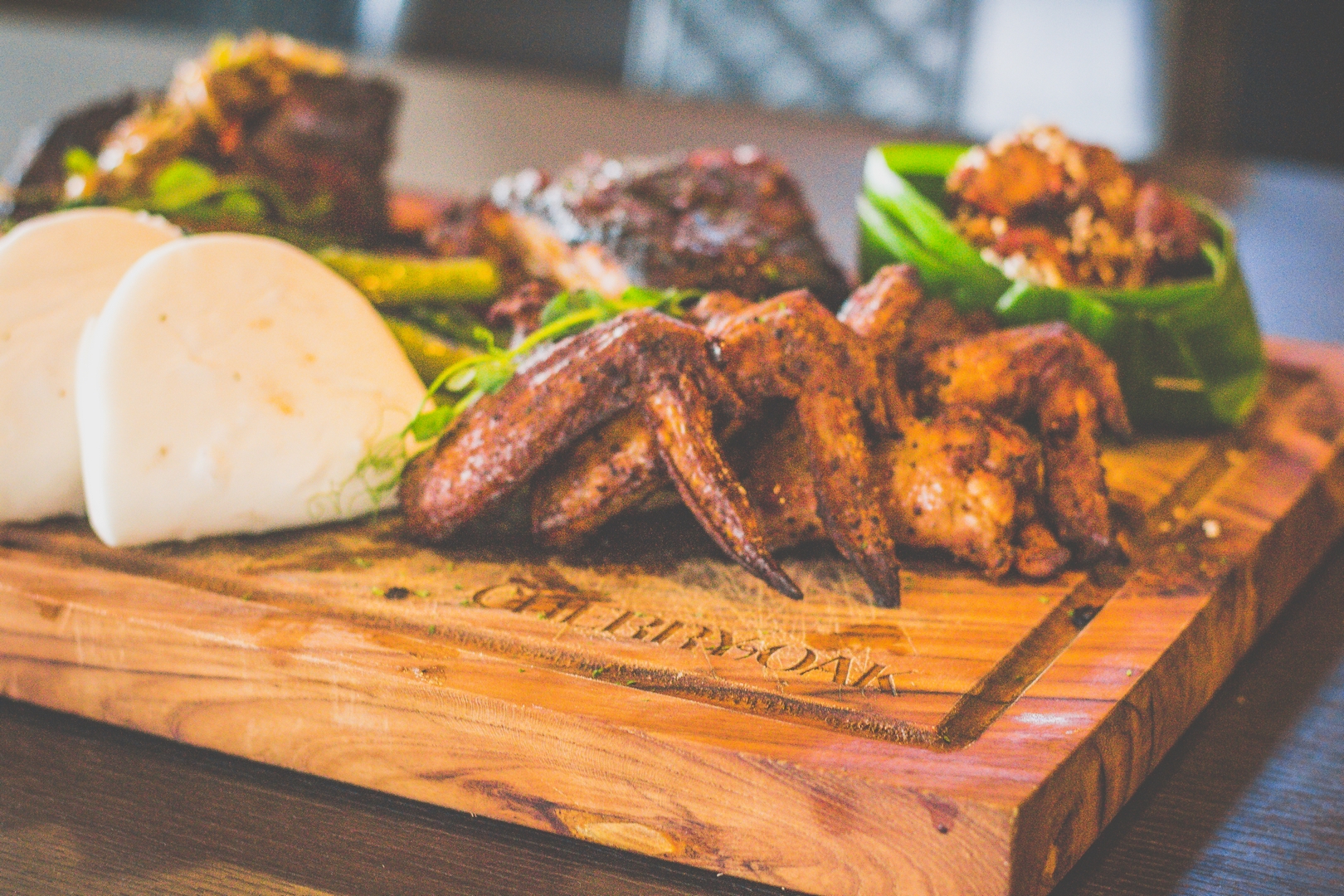
Their role on the platter is less about technical spectacle than rhythm. After the heavier beef and lamb, the wings provide a more casual, instinctive pleasure—food that encourages hands, conversation and another bite. In that sense, they embody the restaurant’s gathering-first philosophy perhaps more naturally than any formal declaration could.
Wood-Fired Broccolini
The broccolini provides an essential vegetal counterpoint to the platter, its sprouts cooked over wood fire and finished with light truffle salt and lemon seasoning. The treatment is notably restrained, allowing the fire itself to become the principal seasoning technique.
The wood contributes a gentle char and roasted aroma, while lemon provides acidity and brightness. Truffle salt adds an earthy savouriness, but in a light enough touch to preserve the vegetable’s freshness. The result is a dish defined by contrast: smoky against green, earthy against citrus, tender against lightly charred edges.
Its presence is more significant than its modest scale might suggest. In a meal built around smoked meats, a vegetable accompaniment must do more than occupy the plate; it must reset the palate. The broccolini fulfils that role elegantly, preparing the diner for the next encounter with smoke and richness.
Nasi Lemak Bakar: The Local Counterpoint
If the smoked meats establish Cherry & Oak’s barbecue credentials, Nasi Lemak Bakar gives the meal its most distinctly local accent. Fragrant basmati rice is tightly wrapped in banana leaf and lightly grilled, allowing the leaf to impart a subtle char while retaining the rice’s aromatic character.
The effect is understated but compelling. The fragrance of rice meets the gentle smokiness of the grilled banana leaf, creating an aromatic bridge between the meat and the rice. Rather than competing with the brisket, ribs or lamb, it absorbs their richness and provides a familiar, comforting foundation.
This pairing is one of Cherry & Oak’s more interesting culinary decisions. In place of mac and cheese, conventional coleslaw or other Western barbecue staples, the restaurant chooses something that speaks more directly to Singaporean palates. It makes the experience feel less like a recreation of an overseas smokehouse and more like an evolving local interpretation of barbecue.
L’Antidote
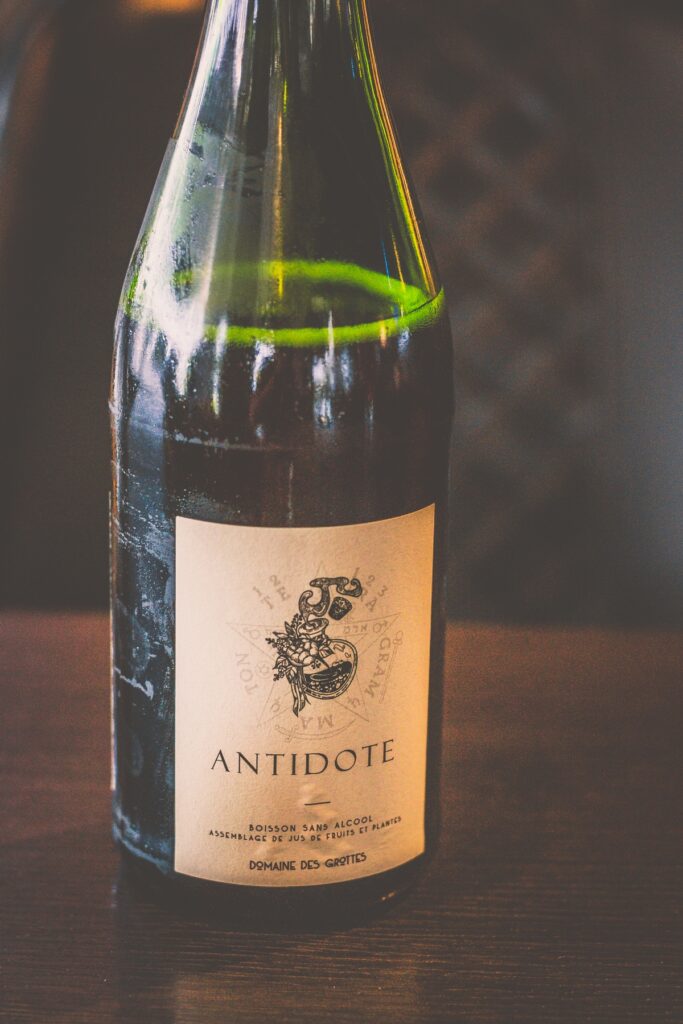
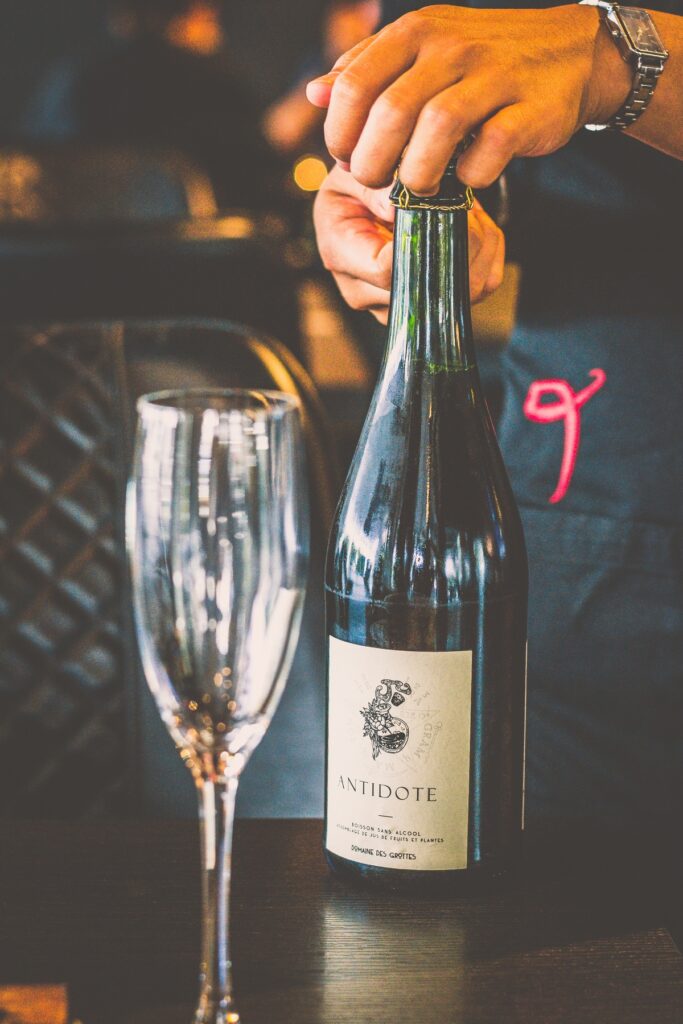
The zero-alcohol L’Antidote offers a more cerebral opening to the meal: a juicy red effervescent blend built around redcurrant, pickled rhubarb, Douglas fir and juniper berry kefir. Its composition suggests an intentional play between fruit, acidity, botanical aromatics and fermentation-derived complexity.
On the palate, redcurrant provides a bright, berry-like freshness, while pickled rhubarb introduces a sharper, more savoury acidity. Douglas fir and juniper contribute resinous, woodland nuances, and the kefir lends subtle tang and textural complexity. The effervescence gives the drink additional lift, making it particularly effective alongside smoky, fatty food.
As a pairing, L’Antidote demonstrates that a non-alcoholic beverage need not function merely as a substitute for wine. Its acidity and botanical character provide genuine gastronomic utility, refreshing the palate before the richer flavours of the pitmaster platter arrive. It sets an appropriately thoughtful tone for the meal.
Smoke, Rice and the Art of Gathering
What distinguishes Cherry & Oak is ultimately not a single cut of meat or a particular sauce, but the way its elements are arranged around a philosophy of shared dining. The kitchen takes a technique associated with patience and tradition, then places it within a distinctly Singaporean framework of flavour and familiarity.
There is also an appealing honesty to the restaurant’s approach. The food does not depend on elaborate presentation to communicate its intentions. Instead, its character emerges through smoke, char, tenderness, acidity, spice and the natural richness of the ingredients. The techniques are purposeful rather than performative.
For diners exploring Singapore fine dining beyond the conventional tasting-menu format, Cherry & Oak offers an alternative definition of refinement. It is found in the patience of a 14-hour brisket, the precision of controlled smoke, the contrast of mango and chilli against lamb, and the decision to place Nasi Lemak Bakar beside serious barbecue.
The result is a dining experience that sits comfortably between craftsmanship and conviviality. It understands that contemporary gastronomy need not always be formal, and that a Michelin dining experience is not the only measure of culinary sophistication. Sometimes, the most memorable table is one where smoke still clings gently to the air, plates are meant to be shared, and a meal has enough depth to keep the conversation going long after the last bite.
Cherry & Oak • Asian Smokehouse
95 Owen Rd, Singapore 218907
Tel: 9119 4074