Bumbu at 25 Years Old: The Quiet Luxury of Heritage, Heart and Time
In a city obsessed with the next opening, the next concept and the next culinary sensation, longevity has become one of the rarest luxuries of all.
Which is precisely why Bumbu feels so remarkable.
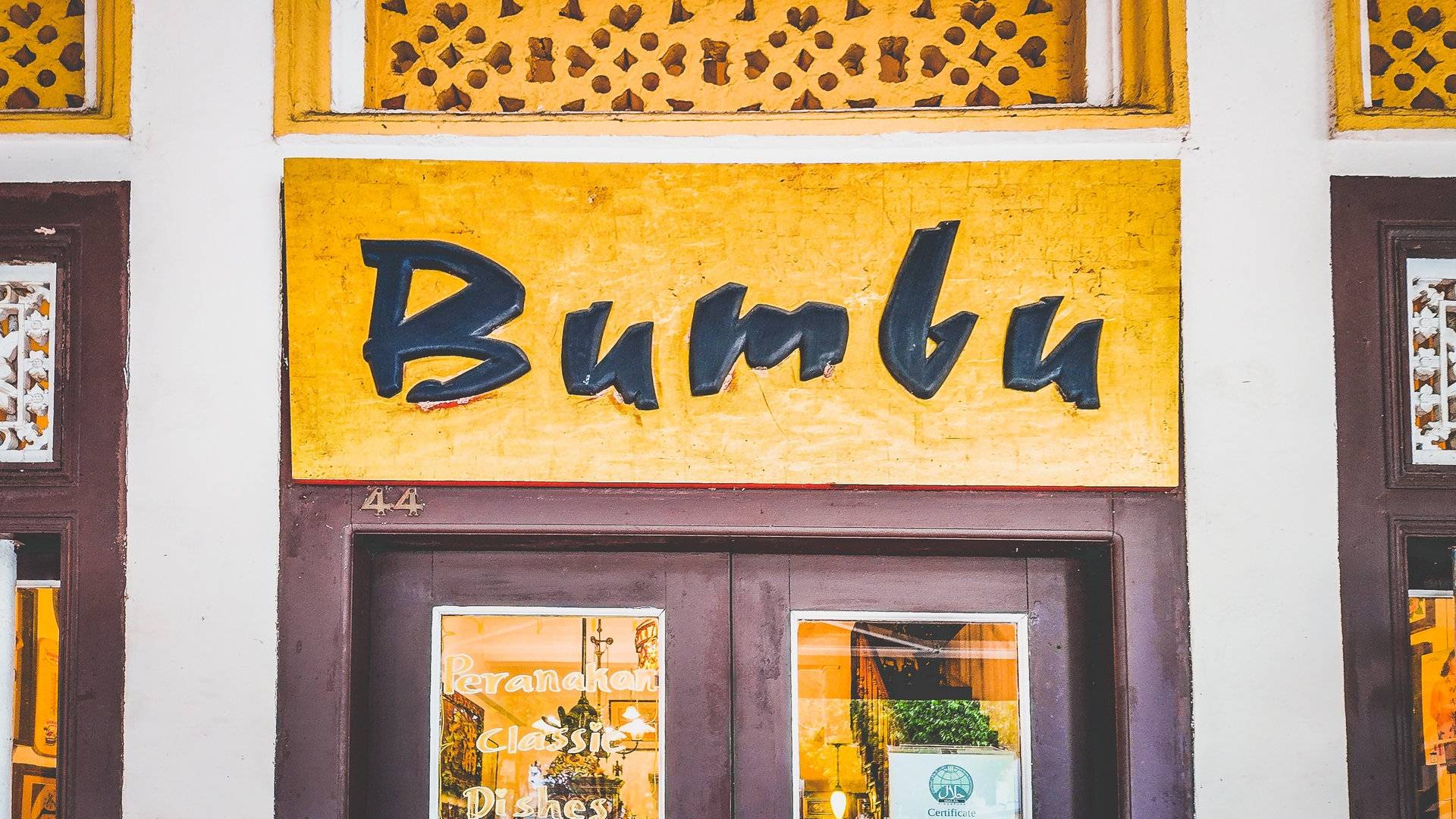
For 25 years, this quietly beloved institution has weathered changing tastes, economic cycles and Singapore’s relentlessly competitive dining landscape. While countless restaurants have arrived with fanfare only to disappear a few seasons later, Bumbu has endured—not through reinvention for its own sake, but through an unwavering commitment to authenticity, family and the slow art of preserving culinary heritage.
The story began in 2001, when co-founder Cheng Eng Huat and his business partner opened Bumbu in a conservation shophouse along Kandahar Street in Kampong Glam. Both avid antique collectors, they envisioned a space where treasured objects, family recipes and Southeast Asia’s rich culinary traditions could coexist.
Step through its doors today and little of that original spirit has been lost.
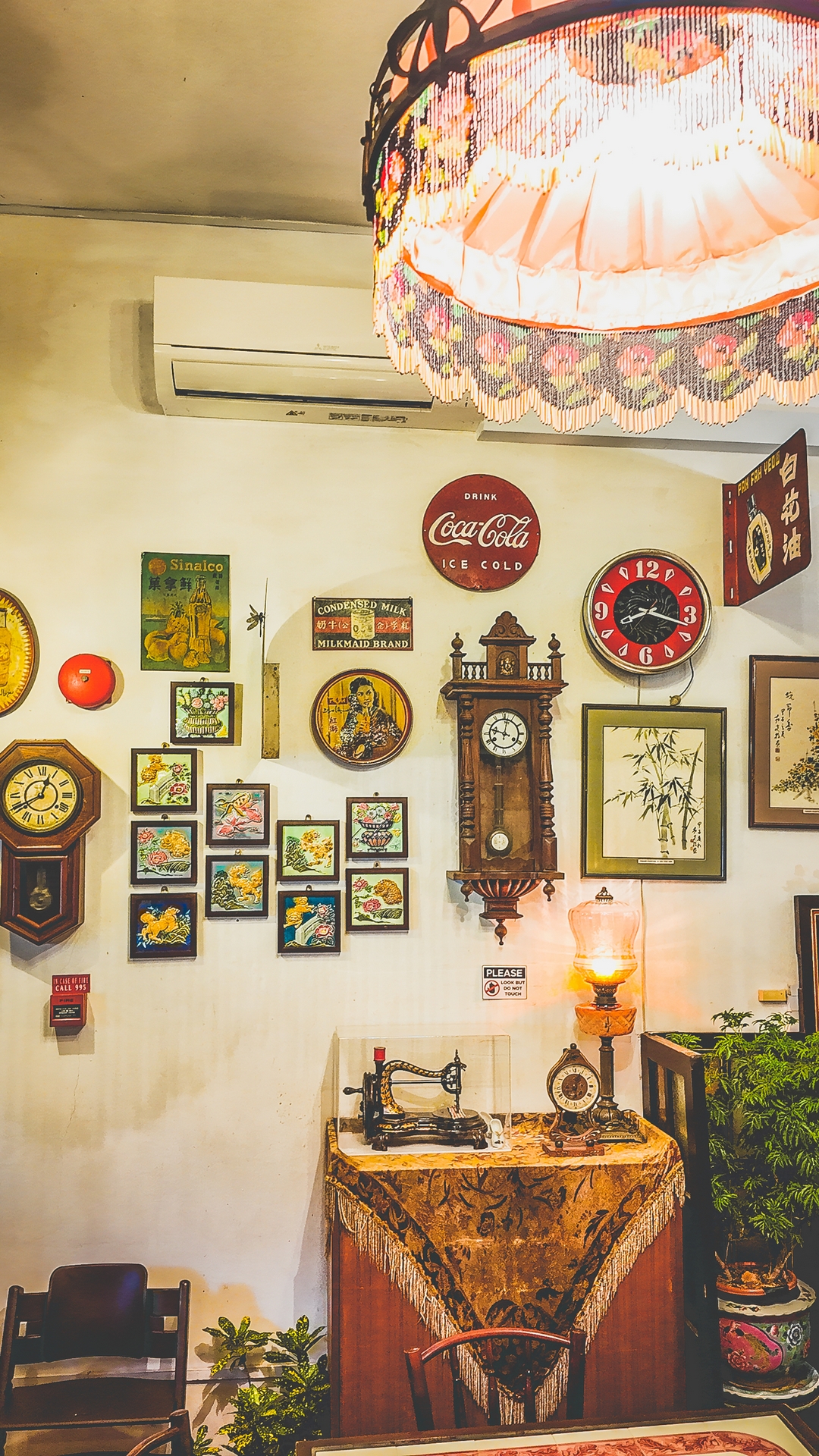
The dining room feels less like a restaurant and more like an invitation into a cherished ancestral home. Vintage furnishings, retro memorabilia and carefully curated antiques create an atmosphere steeped in nostalgia, evoking Singapore’s domestic interiors from a bygone era. Every corner appears to hold a story; every artefact feels lovingly preserved rather than merely displayed.
That sense of continuity extends beyond the décor.
Today, the restaurant is helmed by second-generation family member Cheng Hui Jie, the 31-year-old general manager who continues to safeguard the vision established by her uncle. Under her stewardship, Bumbu remains a celebration of Thai, Indonesian and Peranakan culinary traditions, brought together with uncommon harmony beneath one roof.
The restaurant’s soul, however, may well have been shaped by another family figure altogether.
Among Bumbu’s most important custodians of flavour was Hui Jie’s grandmother, who journeyed from Medan to Singapore and brought with her a formidable culinary intuition. Well into her eighties, she remained a constant presence behind the scenes, tasting, refining and safeguarding the integrity of dishes that continue to define the restaurant today. Her influence lingers not merely in recipes, but in the standards by which they are prepared.
It is difficult not to see her influence woven throughout the menu.
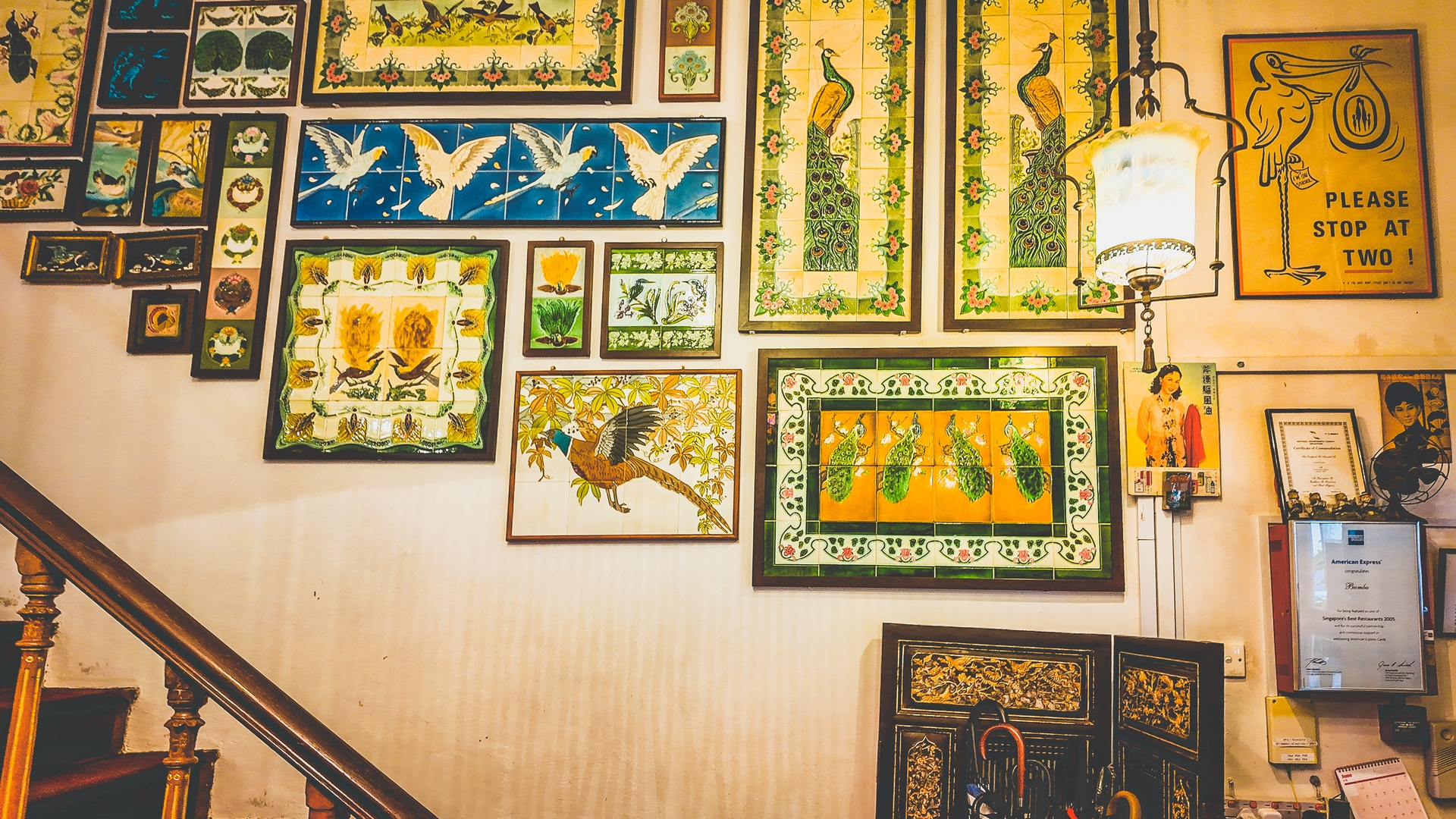
There is a sincerity to the food that feels increasingly rare. Recipes are not shortcuts to nostalgia but living traditions maintained through patience, technique and repetition. Much of the cooking remains painstakingly labour-intensive, guided by methods that prioritise flavour over efficiency.
Appropriately, the name “Bumbu” itself refers to a spice blend in Bahasa Indonesia. It is a fitting metaphor for a restaurant that seamlessly combines cultures, histories and generations into something beautifully balanced and entirely its own.
Twenty-five years on, Bumbu remains less a restaurant than a custodian of memory.
And in today’s dining landscape, that may be its greatest achievement.
Homemade Chicken Ngoh Hiang
Lovingly made from scratch, contains crunchy water chest nut bits and prawns
The Homemade Chicken Ngoh Hiang arrives with a reassuring sense of familiarity, yet immediately distinguishes itself through its craftsmanship.
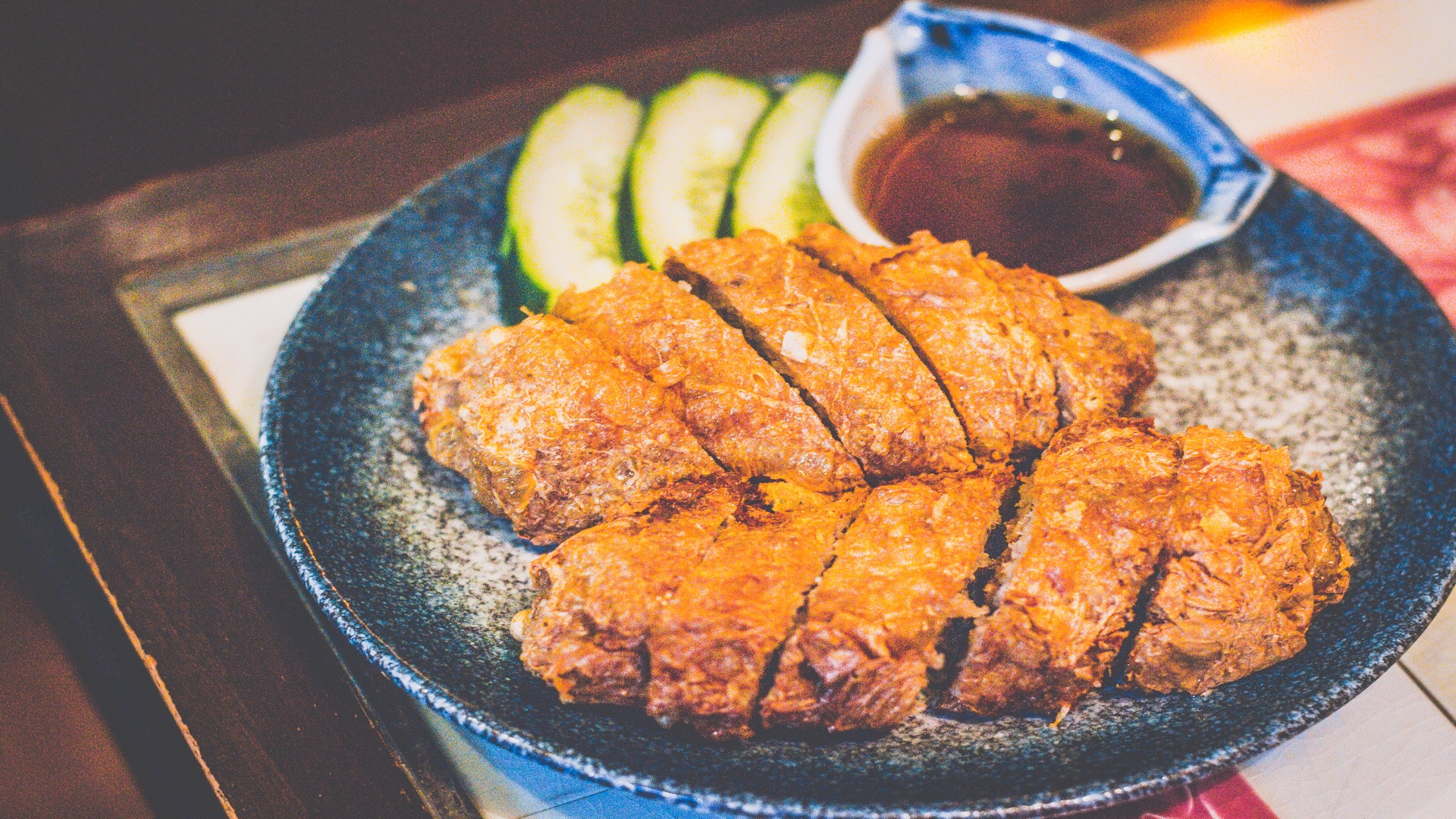
Lovingly prepared from scratch, each golden-brown roll reveals a carefully considered filling that balances texture as much as flavour. Succulent chicken and sweet prawns provide richness, while generous chunks of water chestnut introduce an audible crunch that punctuates every bite. The contrast is immensely satisfying, creating layers of texture that unfold gradually rather than all at once.
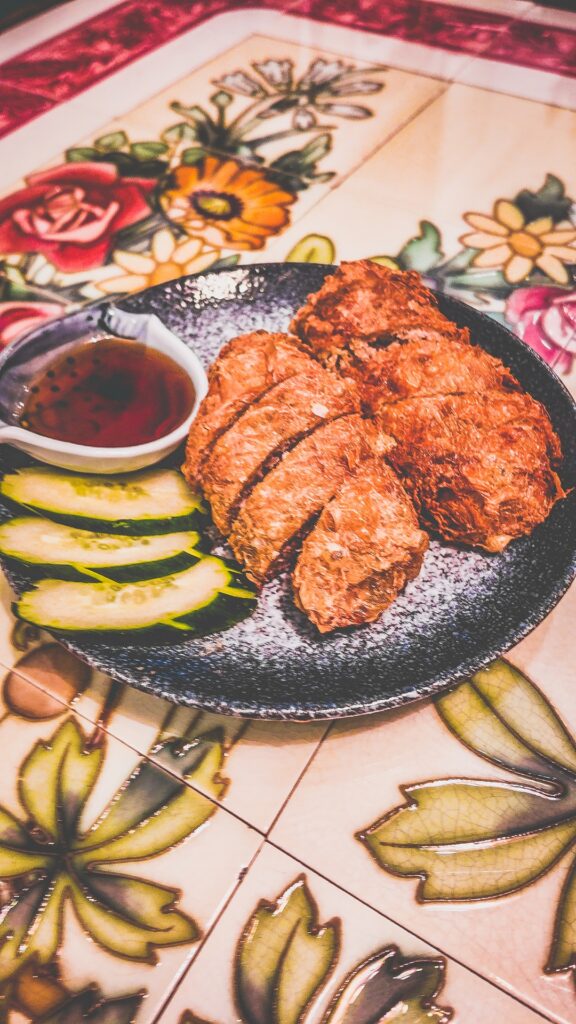
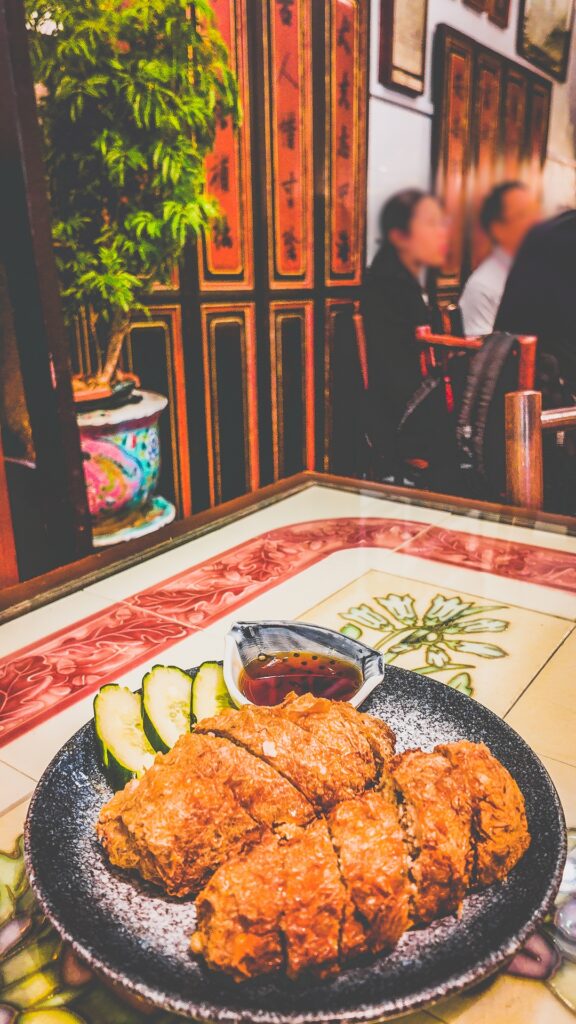
What impresses most is the restraint. The seasoning never overwhelms the natural sweetness of the ingredients, allowing each component to retain its identity. The delicate perfume of five-spice lingers softly in the background, lending warmth and complexity without dominating the palate.
In many establishments, ngoh hiang can feel like a nostalgic afterthought. At Bumbu, it serves as a reminder that seemingly simple dishes often require the greatest care. It is comfort food elevated not by modern techniques, but by meticulous execution and respect for tradition.
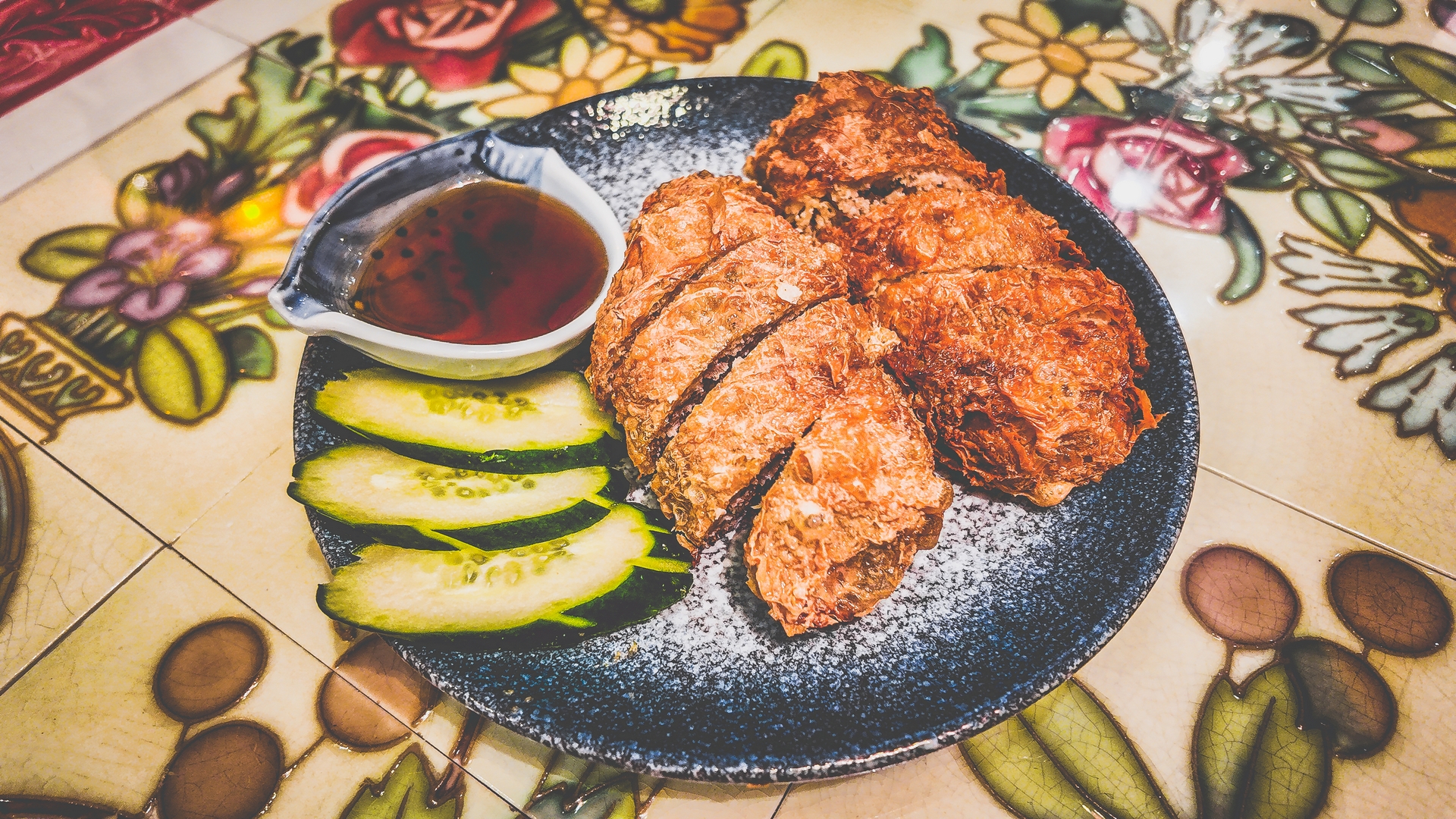
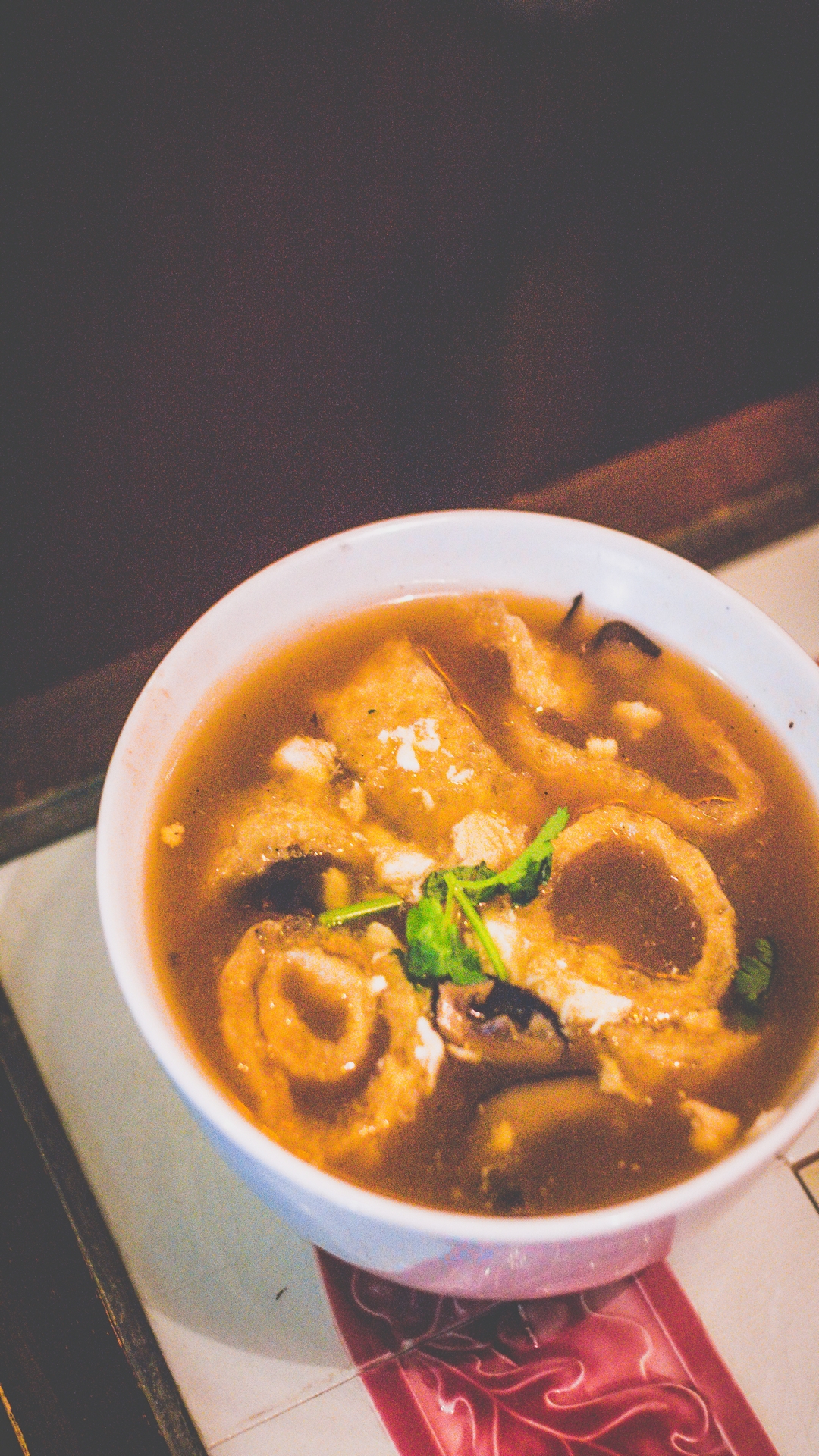
Fish Maw Soup
A heart-warming classic. Served with vinegar and ground pepper. Contains crabmeat.
There is something profoundly comforting about a well-made Fish Maw Soup, and Bumbu’s rendition captures that feeling with remarkable elegance.
Served steaming hot, the broth possesses a depth that speaks of patience rather than haste. Rich yet never heavy, it carries the sweetness of seafood and the gentle savouriness of crabmeat in perfect equilibrium. Each spoonful feels restorative, wrapping the palate in warmth while remaining remarkably refined.
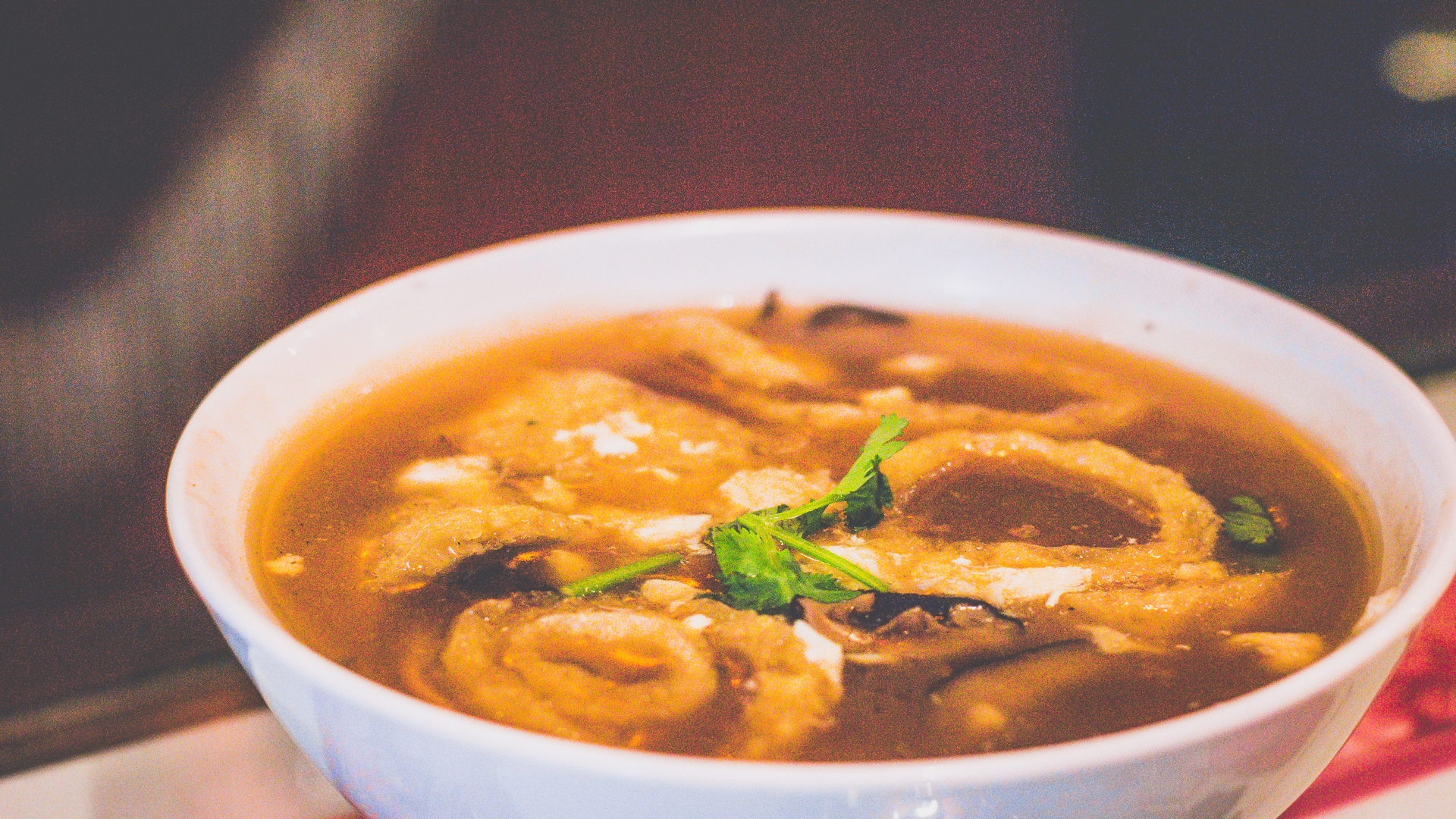
The fish maw itself offers a luxurious textural experience, absorbing the flavours of the broth while maintaining its delicate structure. Its subtle gelatinous quality provides body and richness without becoming overwhelming, creating a soup that feels both nourishing and indulgent.
A dash of vinegar and freshly ground pepper transforms the experience entirely. The acidity brightens the broth, while the pepper introduces a gentle heat that lingers pleasantly. Together, they reveal new dimensions within the dish, elevating what begins as comfort into something quietly sophisticated.
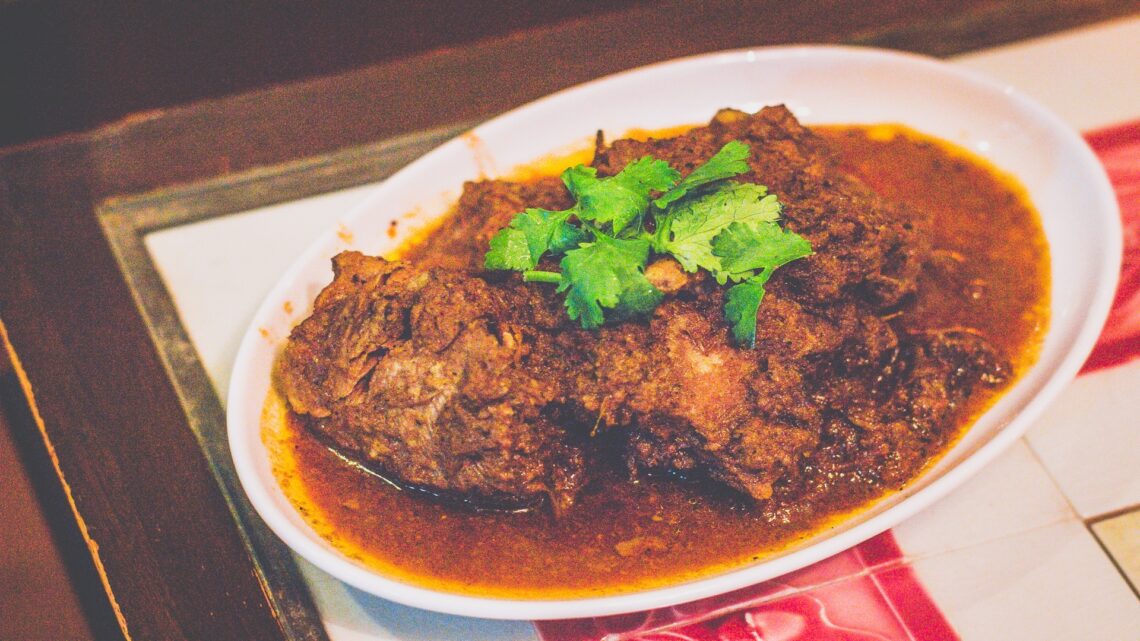
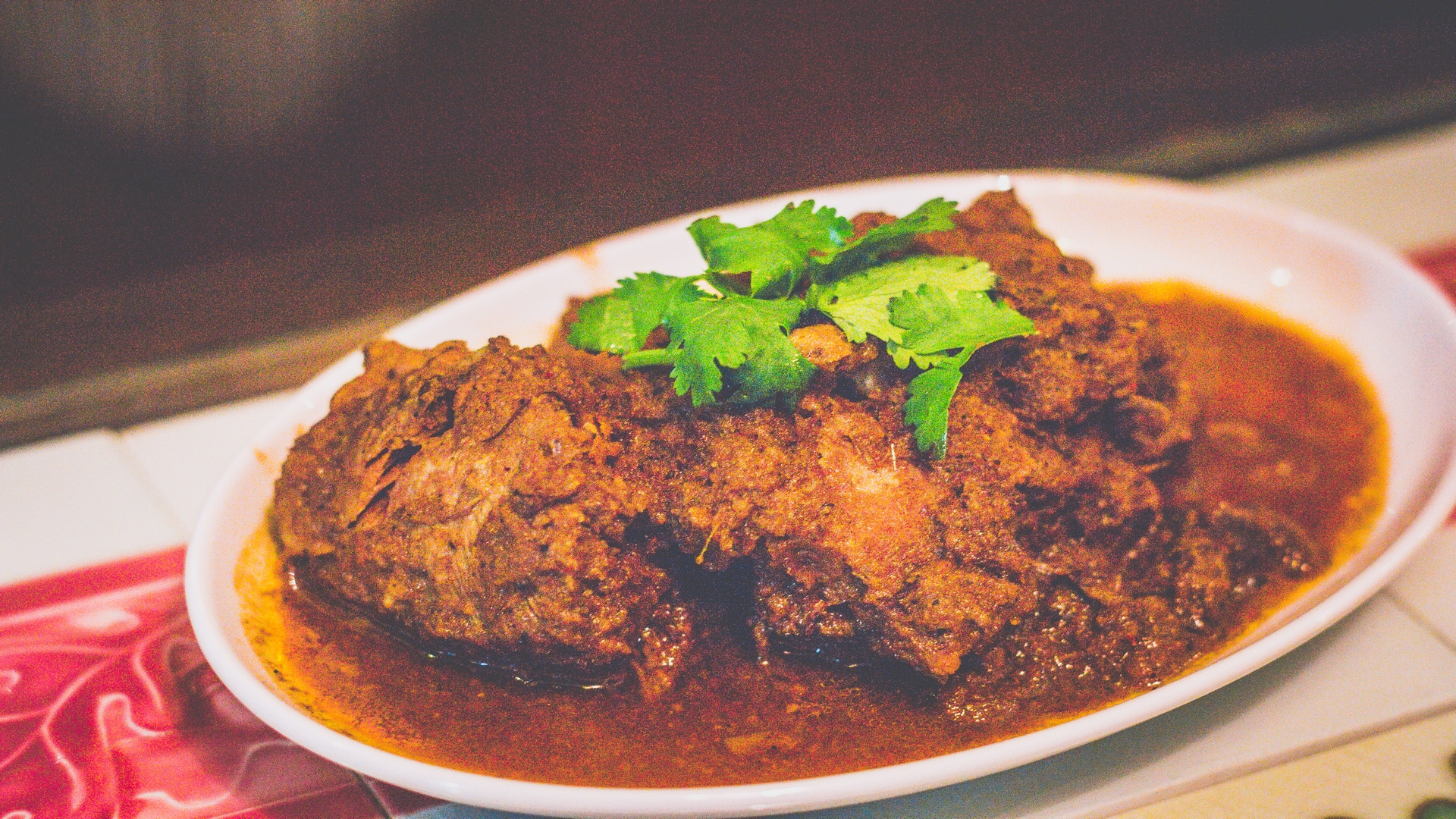
Beef Rendang
Tender beef shank slow-cooked to perfection with original Bumbu spice blend
If there is a dish that encapsulates Bumbu’s philosophy, it is undoubtedly the Beef Rendang.
This is not a rendition designed for speed. The beef shank is slow-cooked for approximately five hours in the restaurant’s proprietary spice blend, allowing time to perform its transformative magic. As the rempah gradually reduces and the oils separate naturally—a hallmark of an expertly executed rendang—the flavours intensify into something deeply complex and profoundly satisfying.
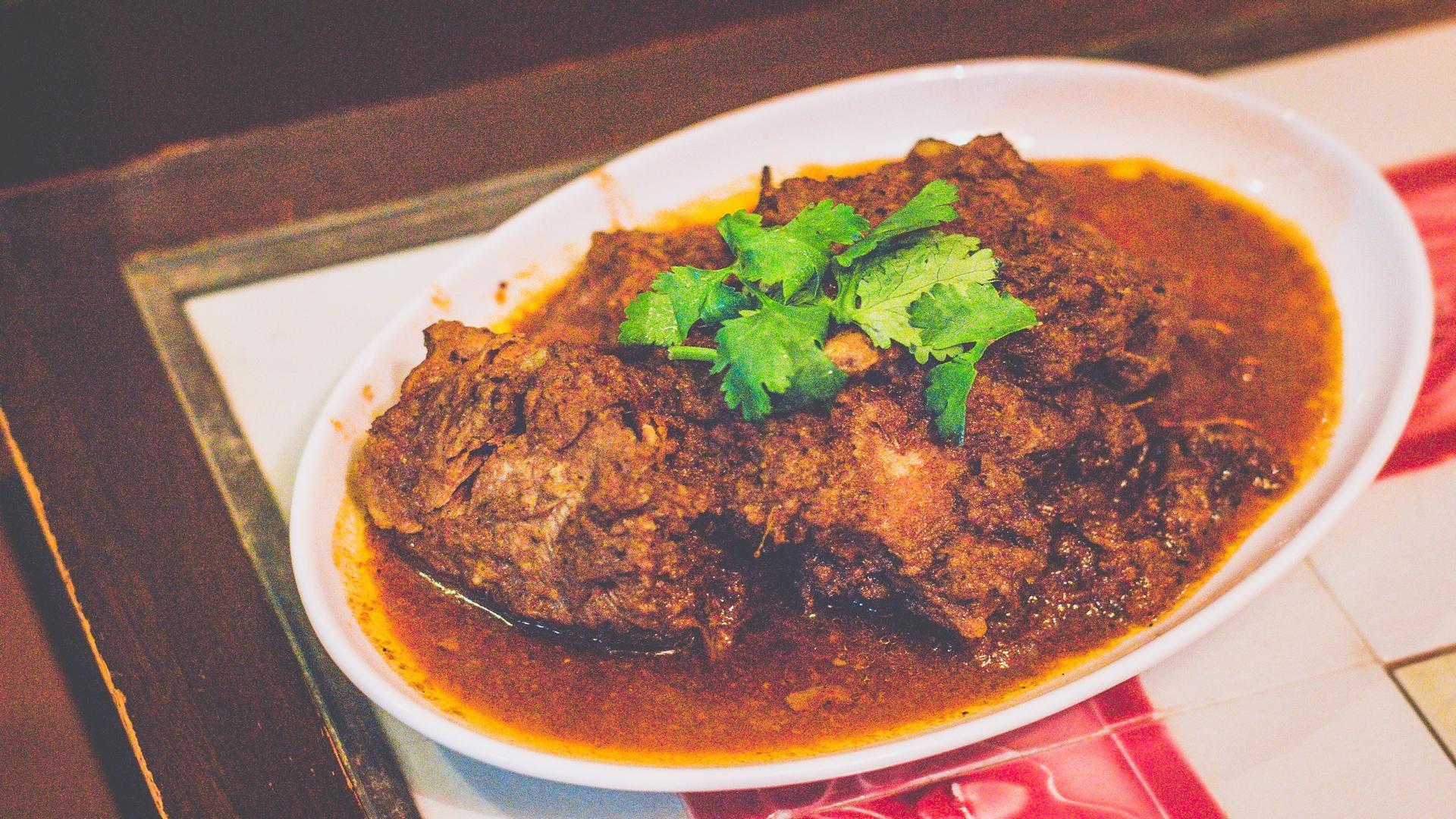
The result is extraordinary tenderness. Each piece of beef yields effortlessly, having absorbed layer upon layer of aromatics, spices and coconut richness. Yet despite its intensity, the dish never feels heavy. Instead, it unfolds gradually, revealing notes of lemongrass, galangal, chilli and toasted spices with remarkable clarity.
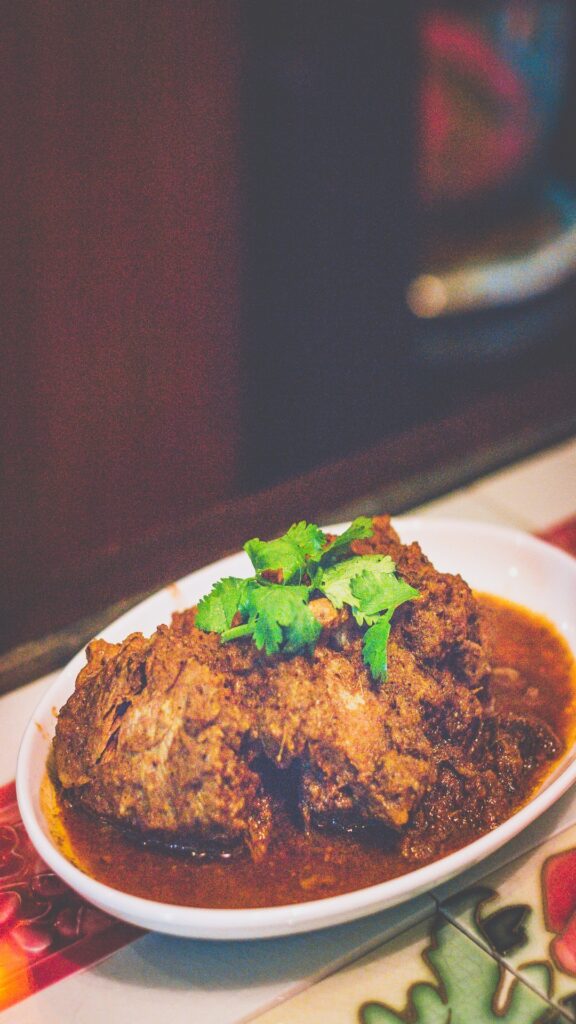
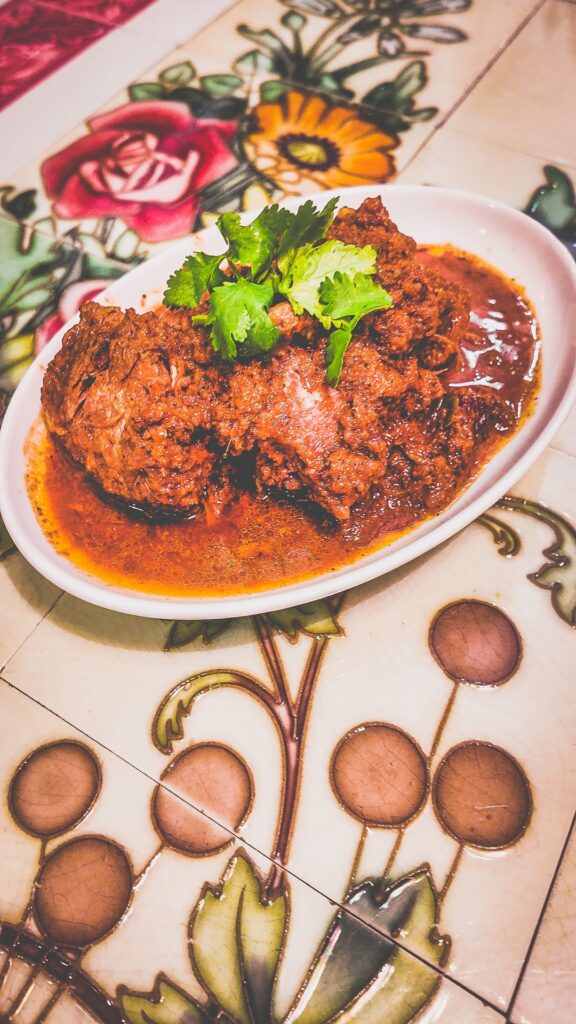
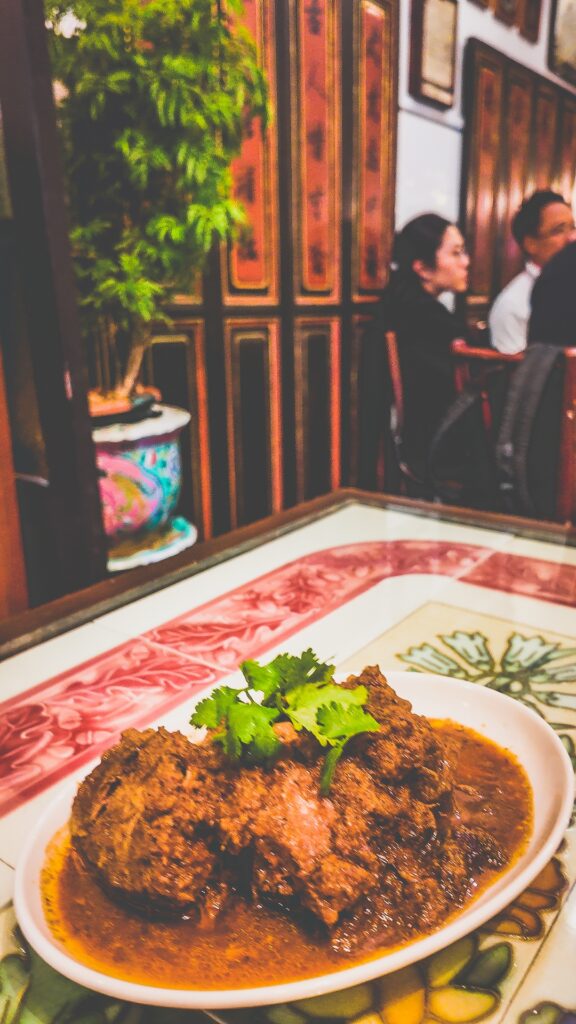
What lingers long after the final bite is not simply the flavour but the unmistakable sense of labour behind it. In an era increasingly defined by shortcuts, Bumbu’s rendang stands as a testament to the virtues of patience. It is heritage cooking at its most compelling—deeply personal, technically accomplished and utterly timeless.
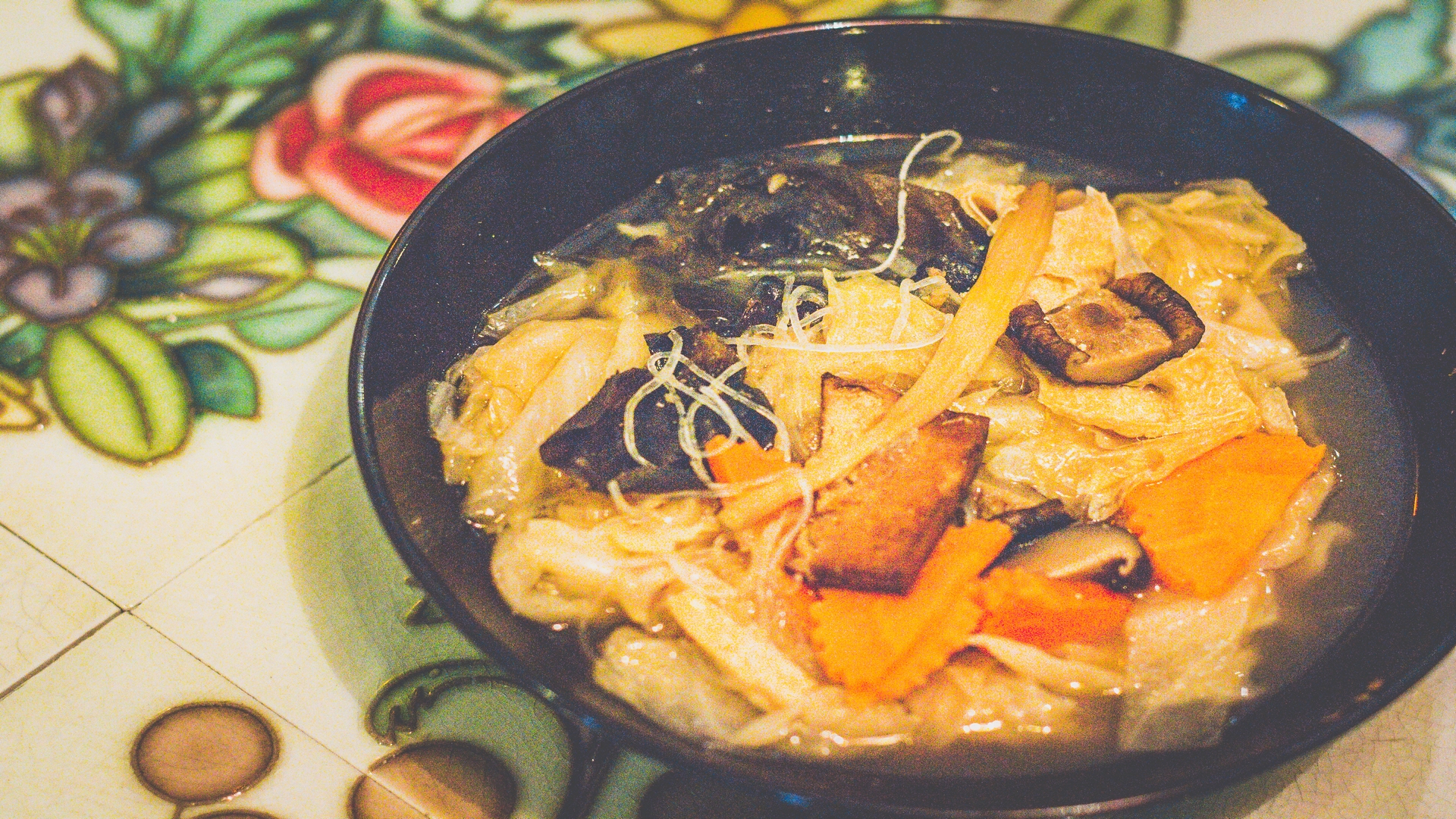
Nonya Chapchye
Peranakan-style stew of cabbage with vermicelli and assorted vegetables slow-cooked over low heat
Few dishes embody the soul of Peranakan home cooking quite like Chap Chye.
At Bumbu, this humble vegetable stew is treated with the reverence it deserves. Slow-cooked over gentle heat, cabbage, vermicelli and assorted vegetables gradually surrender their individual flavours to create something far greater than the sum of its parts.
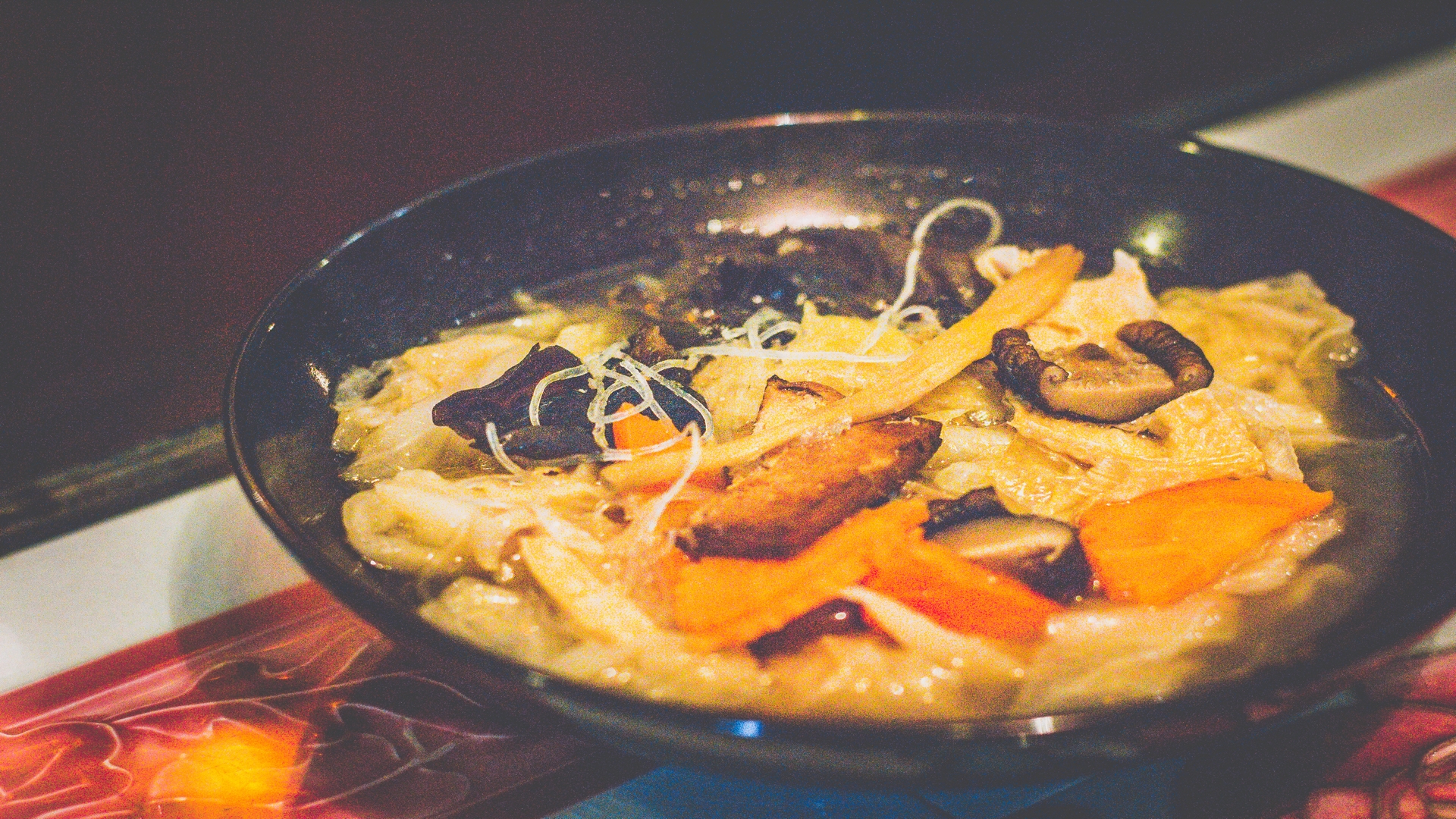
The cabbage becomes meltingly tender while retaining a subtle sweetness, enriching the broth with every passing hour. The vermicelli absorbs the surrounding flavours like silk absorbing perfume, carrying savoury notes throughout the dish. What emerges is a deeply comforting expression of patience and restraint.
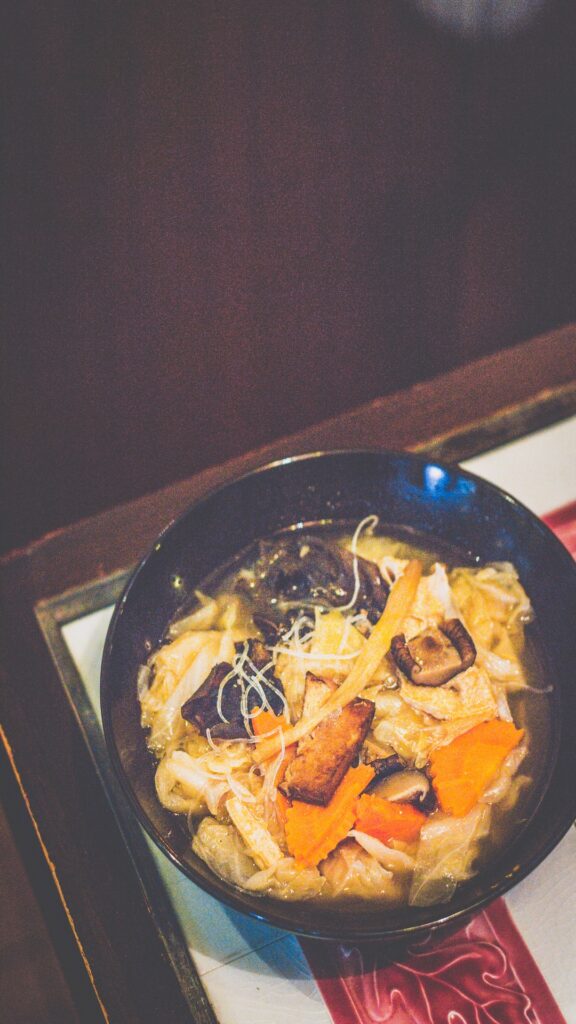
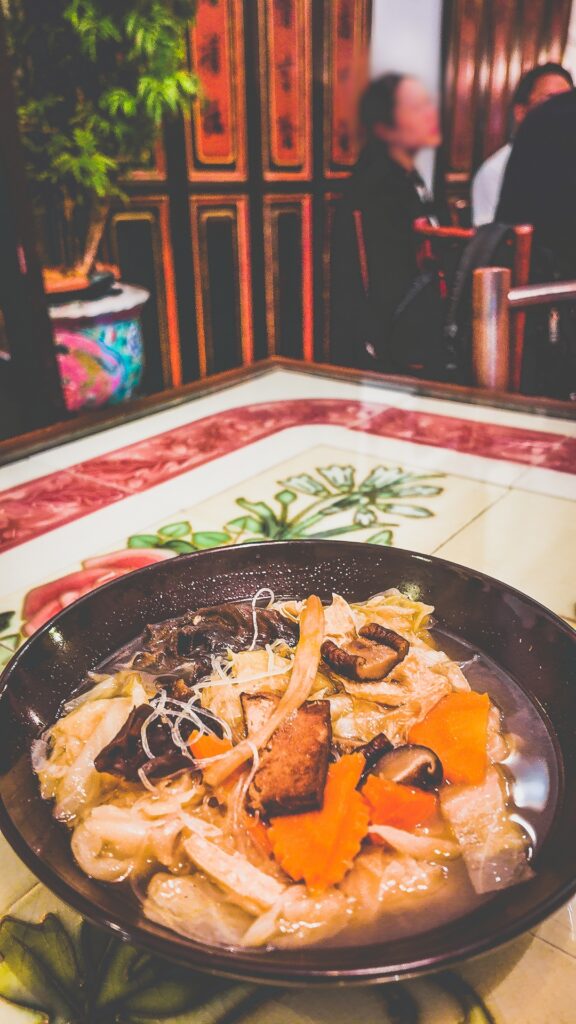
Perhaps its greatest triumph lies in its simplicity. There are no dramatic flourishes or extravagant ingredients here. Instead, the dish succeeds through balance, harmony and quiet confidence. It is the sort of food that evokes family gatherings, treasured recipes and generations gathered around a shared table—a reflection of Bumbu’s own story.
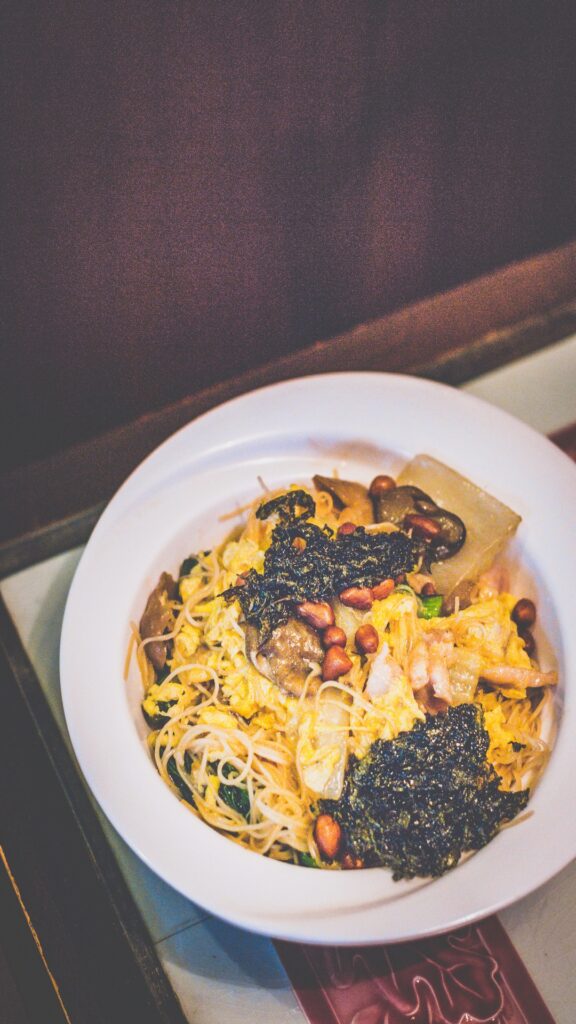
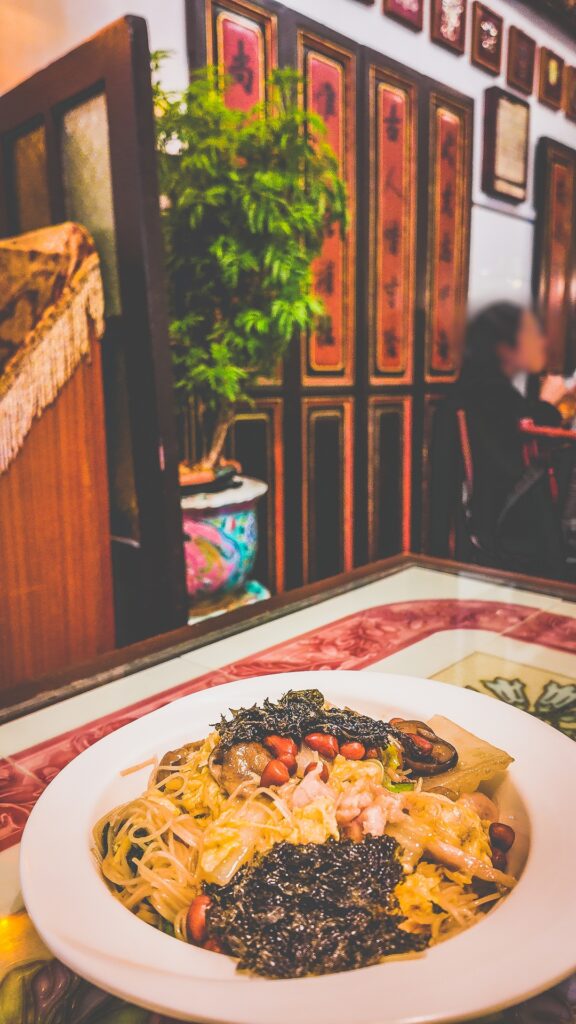
Seafood Fried Meesua
A hearty Henghua-style delight. Contains seafood and peanuts.
The Seafood Fried Mee Sua exemplifies the kind of dish that reveals its brilliance gradually.
Originating from Henghua culinary traditions, the dish appears deceptively simple upon arrival. Yet beneath its unassuming appearance lies a masterclass in texture and balance. The delicate strands of mee sua are expertly fried to achieve a consistency that is simultaneously silky and lightly springy, creating an immensely satisfying mouthfeel.
The seafood introduces natural sweetness and depth, while peanuts contribute a gentle nuttiness that anchors the dish beautifully. Every element feels carefully calibrated, allowing no single ingredient to dominate. Instead, flavours ebb and flow across the palate with graceful precision.
There is also an undeniable sense of comfort embedded within the dish. It feels generous and nourishing, evoking the warmth of traditional family cooking while showcasing the technical finesse required to execute it properly. It is easy to understand why this remains one of Bumbu’s enduring signatures after more than two decades.
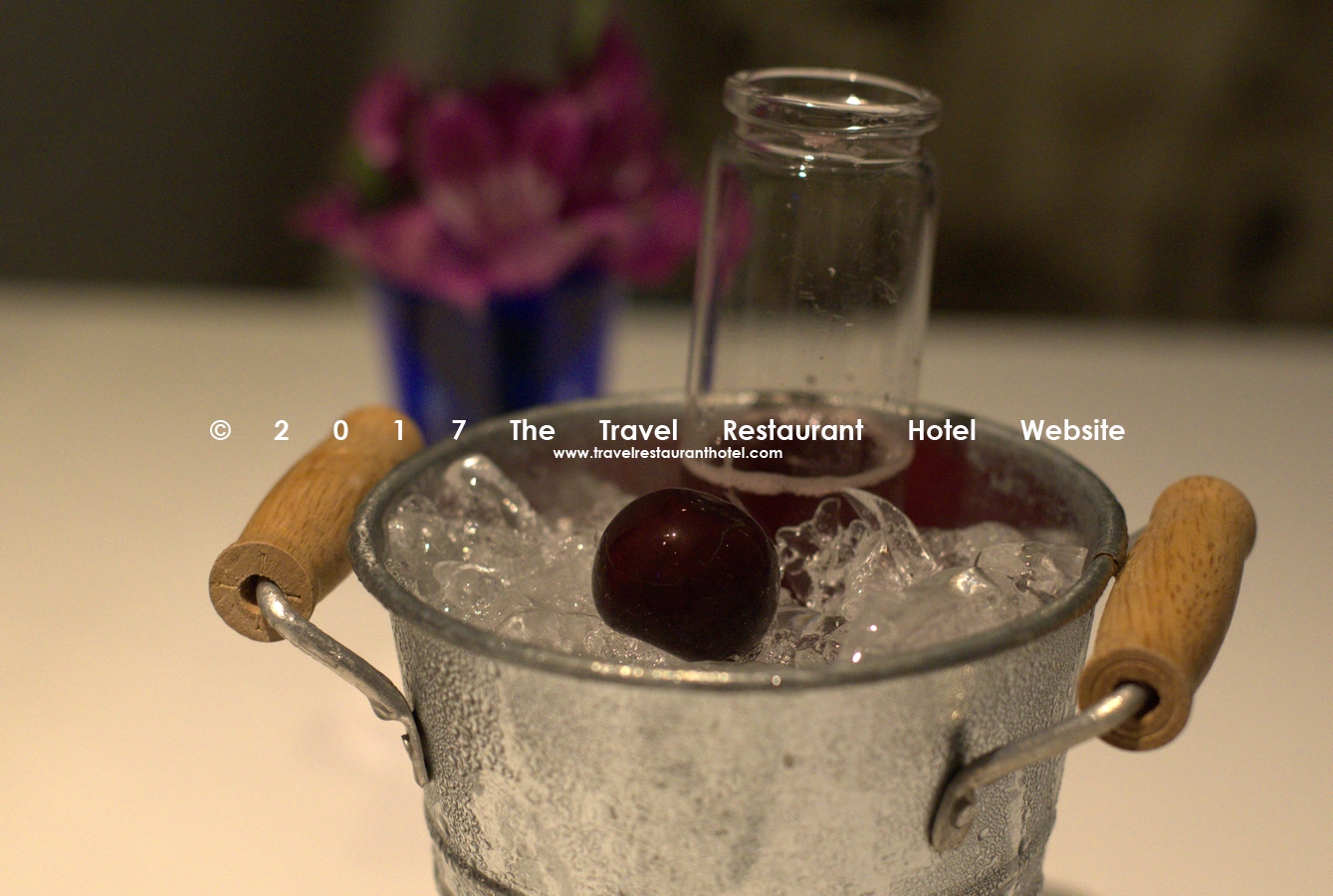
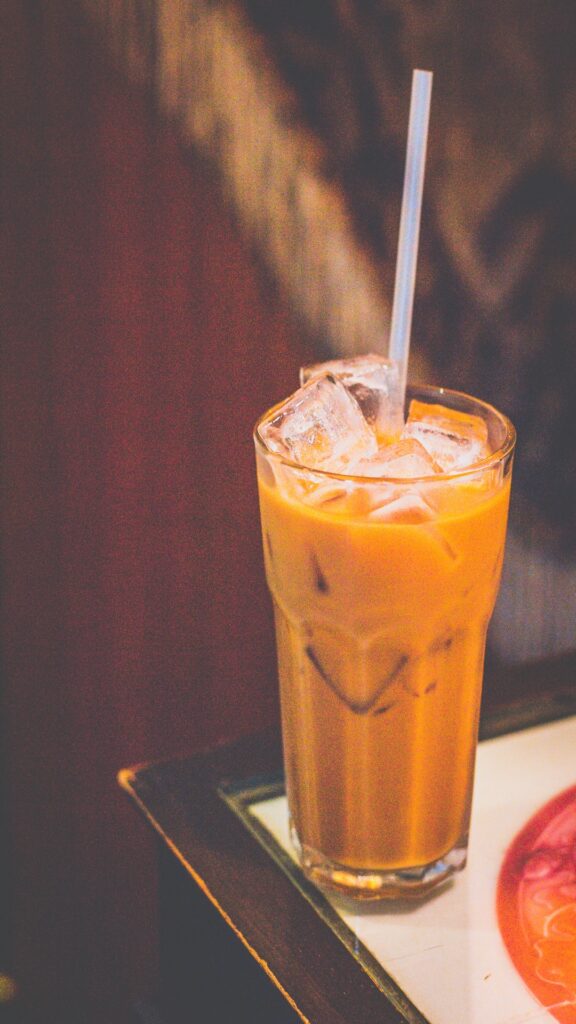
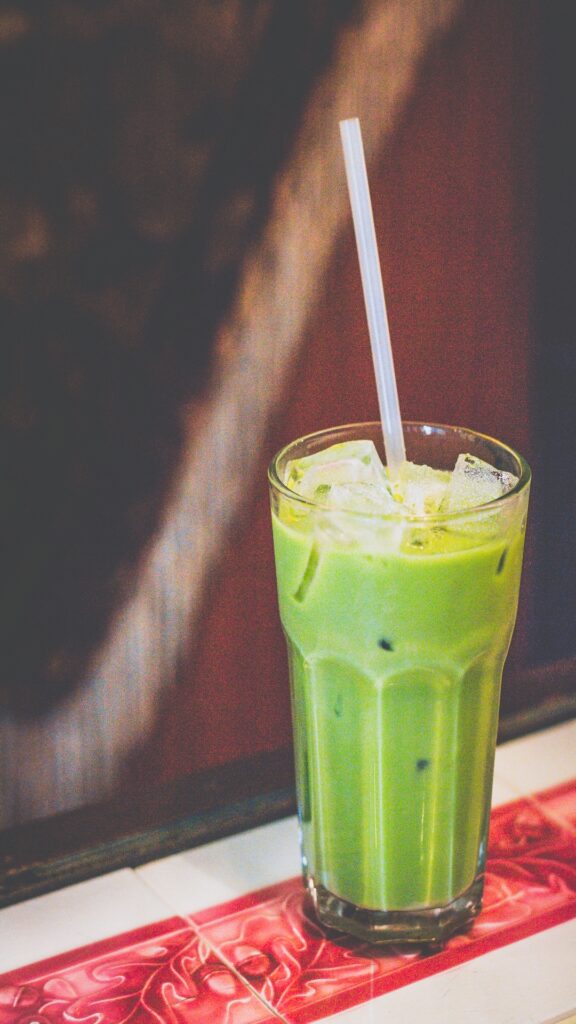
Thai Milk Tea (Original Red/ Jasmine Green)
Cha Tra Mue’s blend; Original flavours from the streets of Thailand. A light Fasmine aftertaste is present for the latter
No visit to Bumbu feels complete without ending on a refreshing note, and its Thai Milk Tea delivers precisely that.
Made using Cha Tra Mue’s iconic blend, the Original Red version captures the vibrant spirit of Thailand’s bustling streets. Rich tea notes are softened by creamy sweetness, creating a beverage that is indulgent without becoming cloying.
The Jasmine Green variation offers a more nuanced experience. Lighter and more fragrant, it introduces delicate floral notes that linger gently on the finish. The jasmine perfume emerges gradually, adding elegance and complexity while preserving the tea’s refreshing character.
Both versions provide a fitting conclusion to the meal—a reminder of Bumbu’s ability to weave together diverse Southeast Asian influences while remaining entirely authentic to each tradition.
The Lasting Appeal of Bumbu
Perhaps the most remarkable aspect of Bumbu is not any individual dish, but what the restaurant represents.
For 25 years, it has remained steadfastly family-run, rooted in recipes, traditions and stories passed across generations. It has resisted the temptation to chase trends, choosing instead to perfect the dishes that guests return for year after year.
In doing so, Bumbu has become something increasingly precious in modern Singapore: a place where heritage is not curated for display, but lived daily through food, hospitality and memory.
The restaurant’s founders may have begun by showcasing their antique collections, but what they have ultimately preserved is something far more valuable.
A legacy.
Bumbu Restaurant
44 Kandahar Street Singapore 198897
Tel; 6392 8628
Bumbu Restaurant (@bumbu_restaurant) • Instagram photos and videos