An Urban Oasis at the Crossroads of Culture: An Indulgence of Revamped Luxury at PARKROYAL on Beach Road
Few hotels in Singapore embody contrast as gracefully as PARKROYAL on Beach Road. Fresh from a comprehensive revamp completed in 2022, the property has emerged renewed yet assured, its 346 refreshed rooms and reimagined spaces reinforcing its position as one of the city’s most enduringly popular addresses.
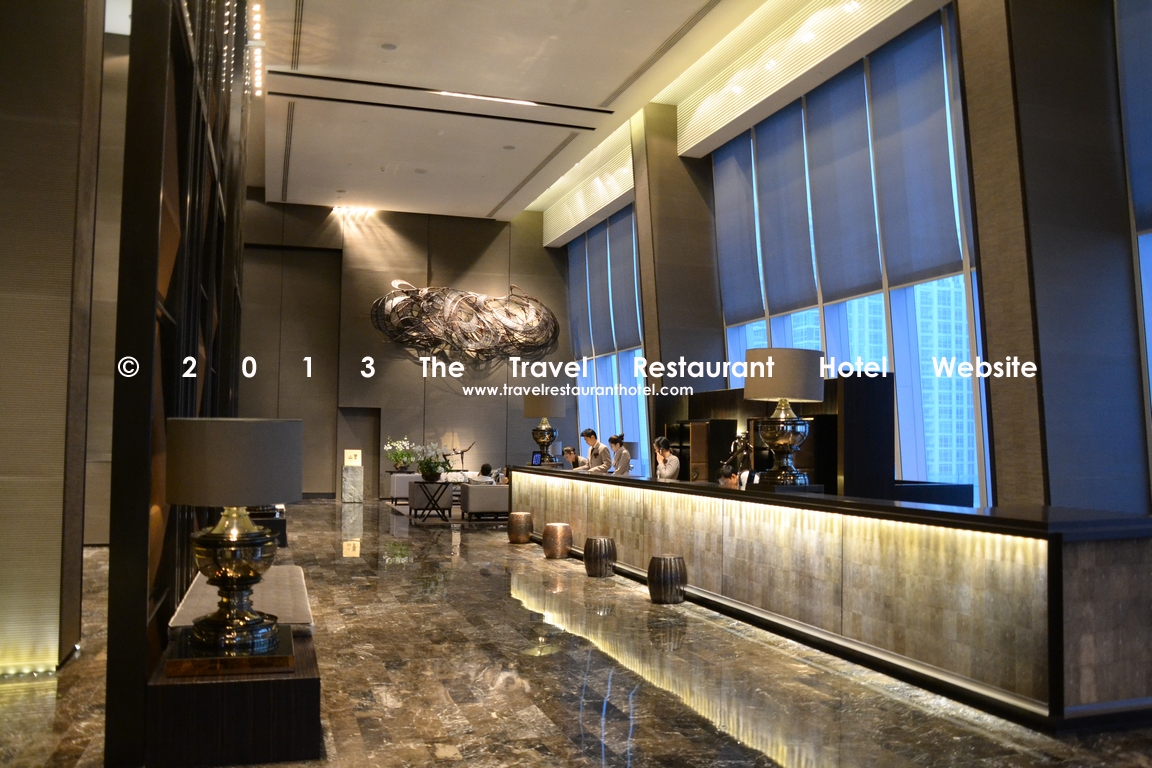
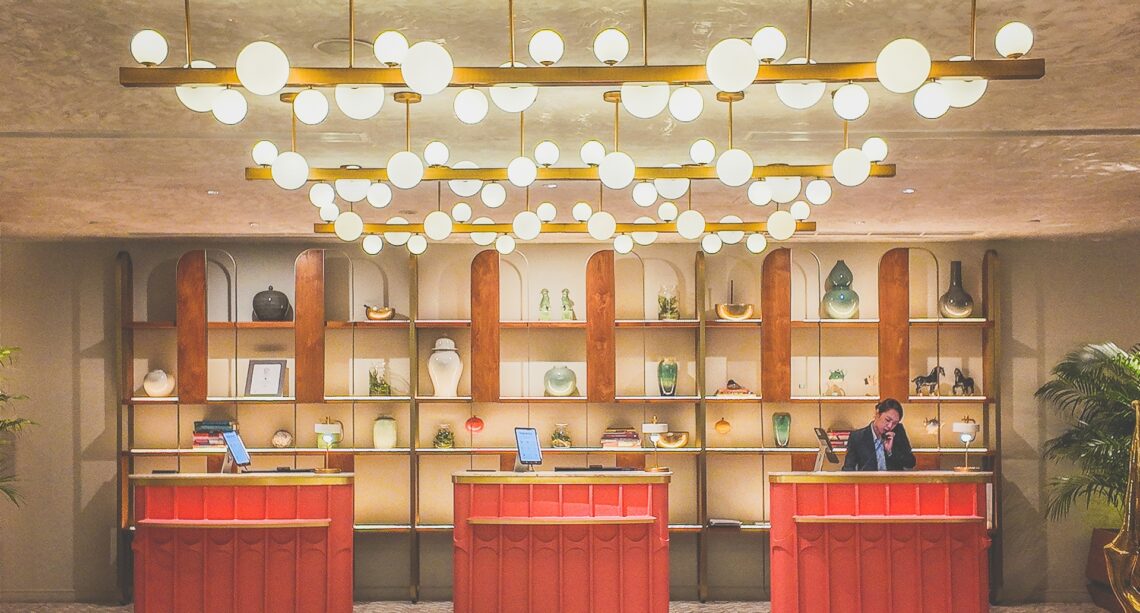
From the moment one steps into the hotel, its duality becomes apparent. The lobby—now the focal point of the transformation—is perpetually alive with guests, a cosmopolitan mix where Western travellers outnumber Asian visitors nine to one, many of them older, composed, and quietly self-assured.
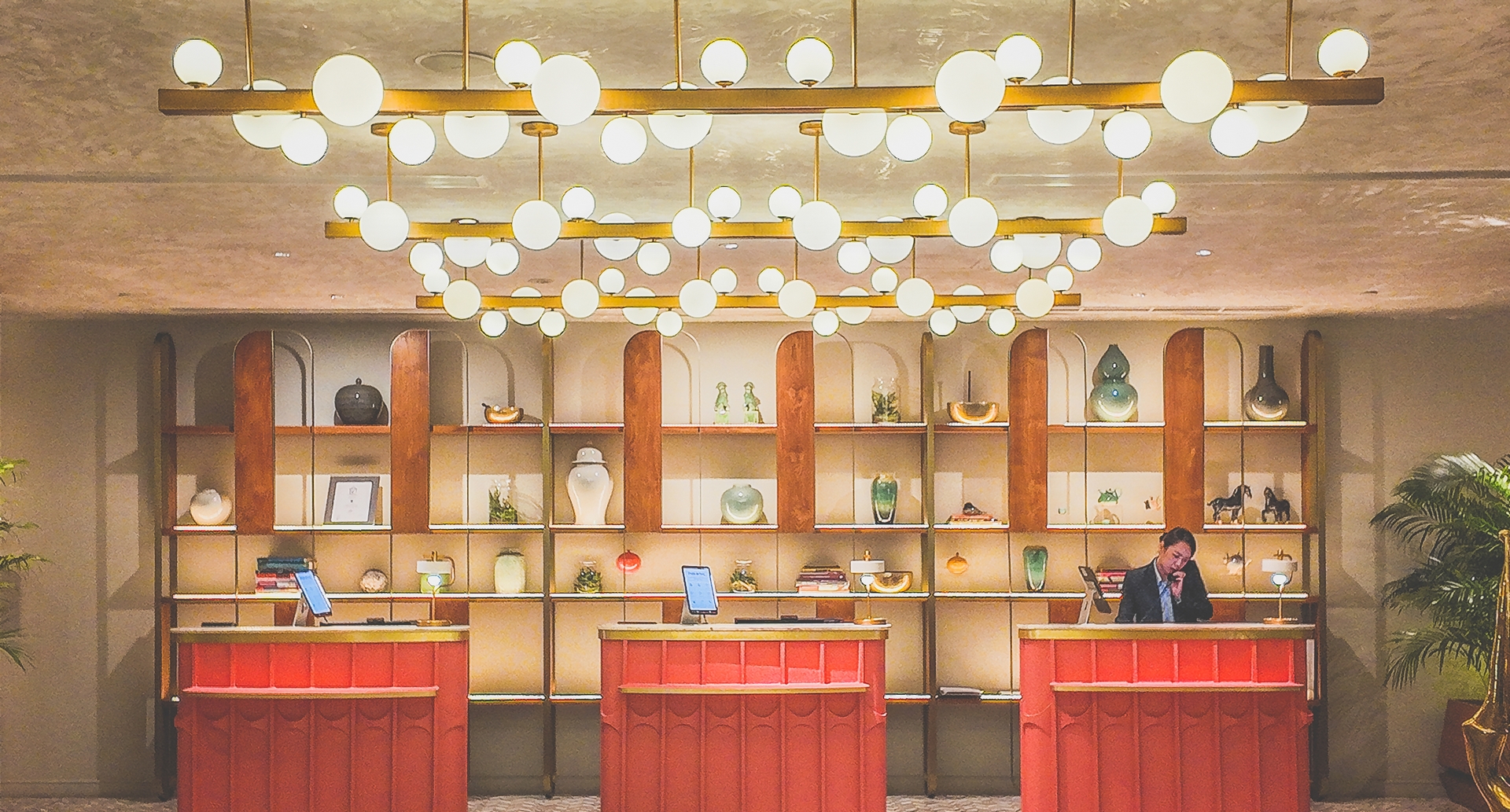
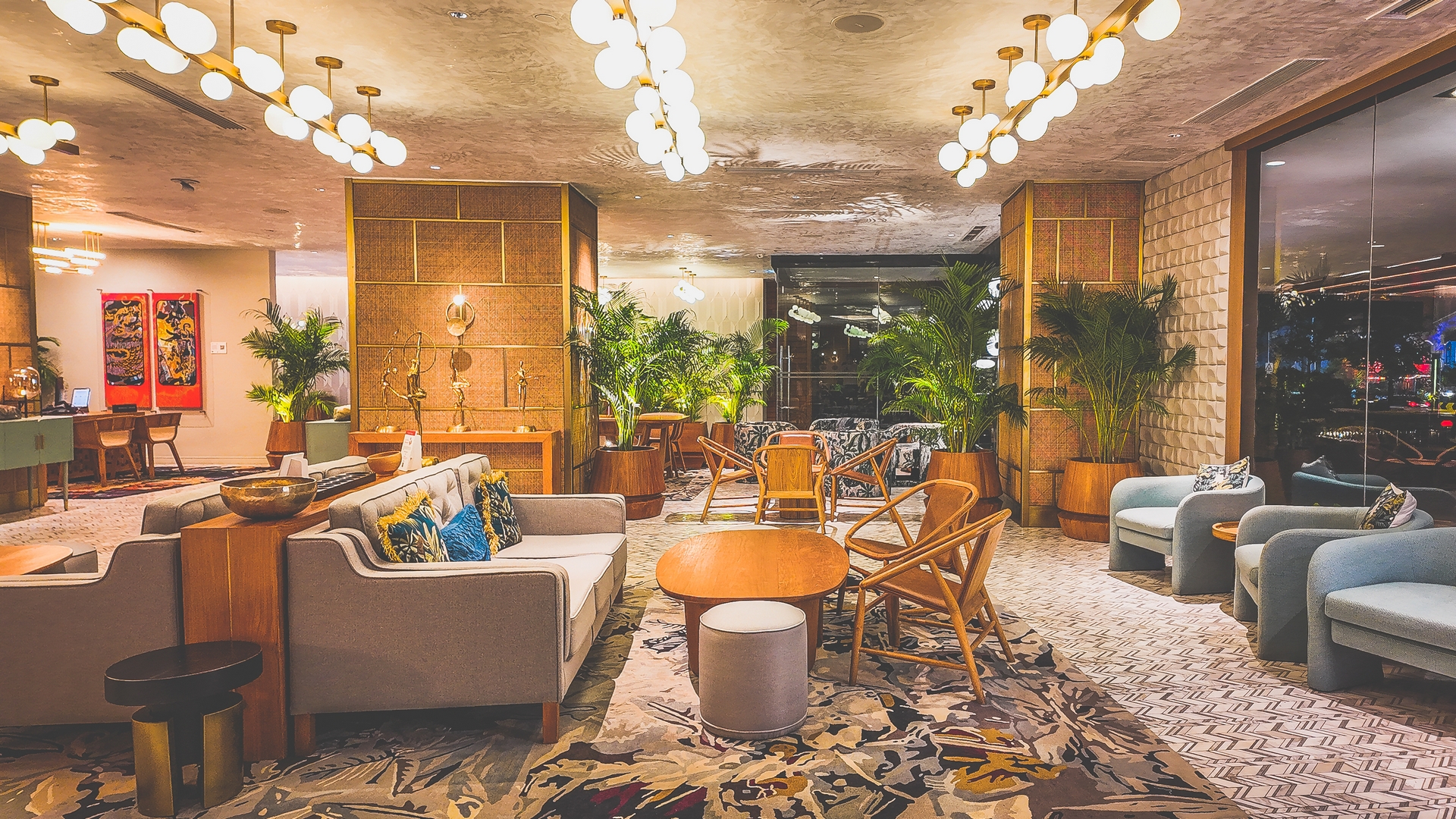
Yet despite the constant flow of people, the space exudes calm. Here, towering palms and dense tropical plantings rise in soft counterpoint to the clean architectural lines, while rattan weaves and textured surfaces introduce a material dialogue that is both grounded and refined. The atmosphere evokes not merely a tropical aesthetic, but the deeper, more elusive notion of “kampong spirit”—a sense of community, of unhurried conviviality—drawn from the cultural fabric of nearby Kampong Glam. Even transitional spaces have been elevated: the lift lobby, reconceived as an intimate gallery, invites pause and contemplation, subtly reinforcing the property’s intellectual and cultural ambitions.
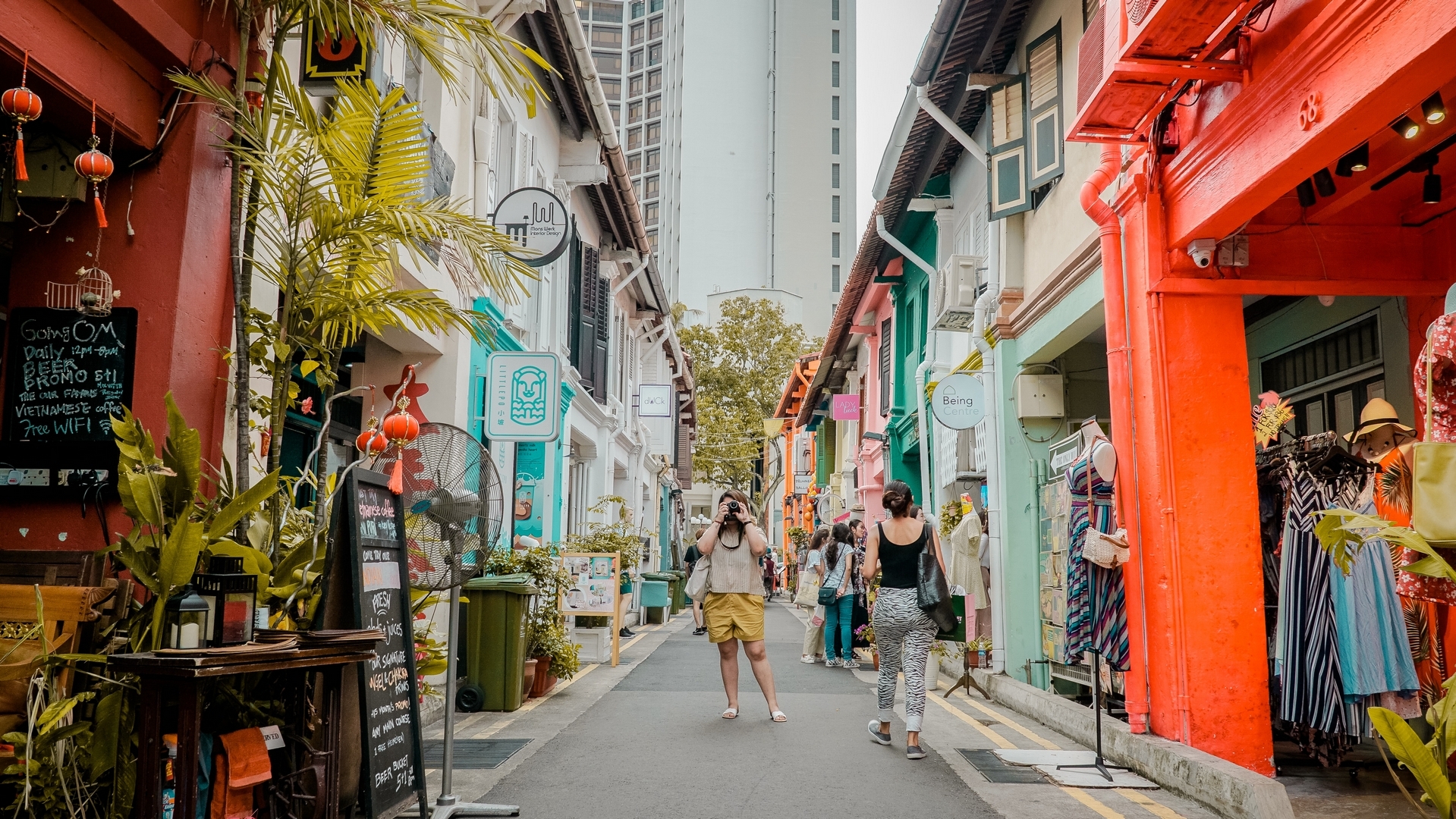
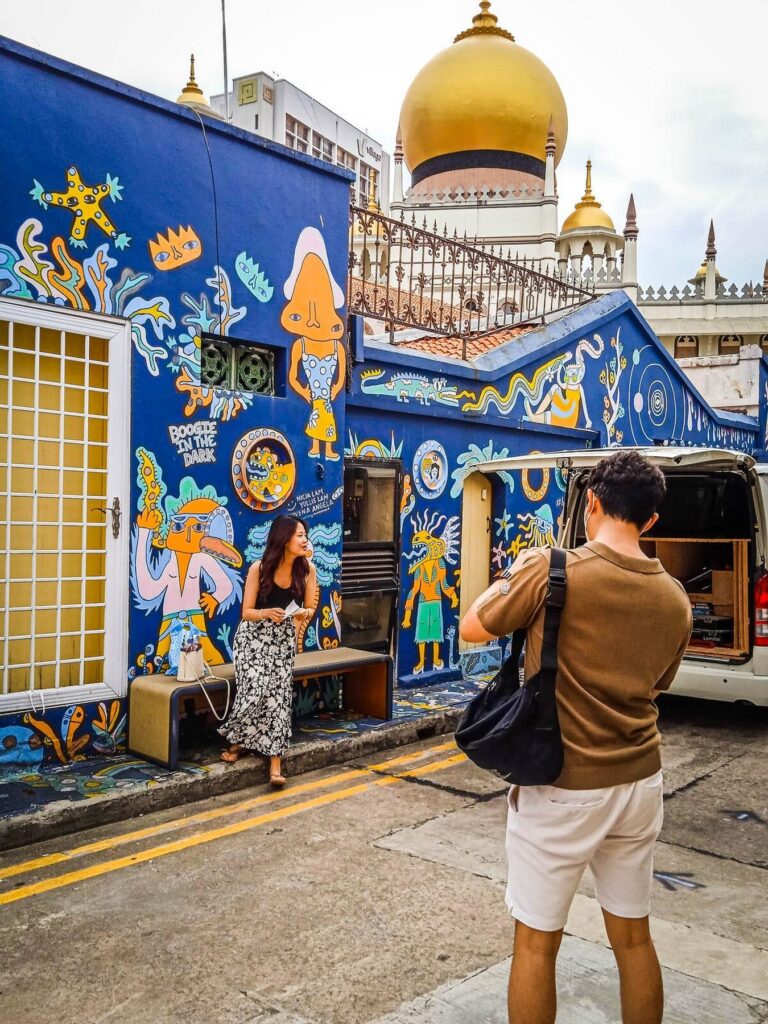
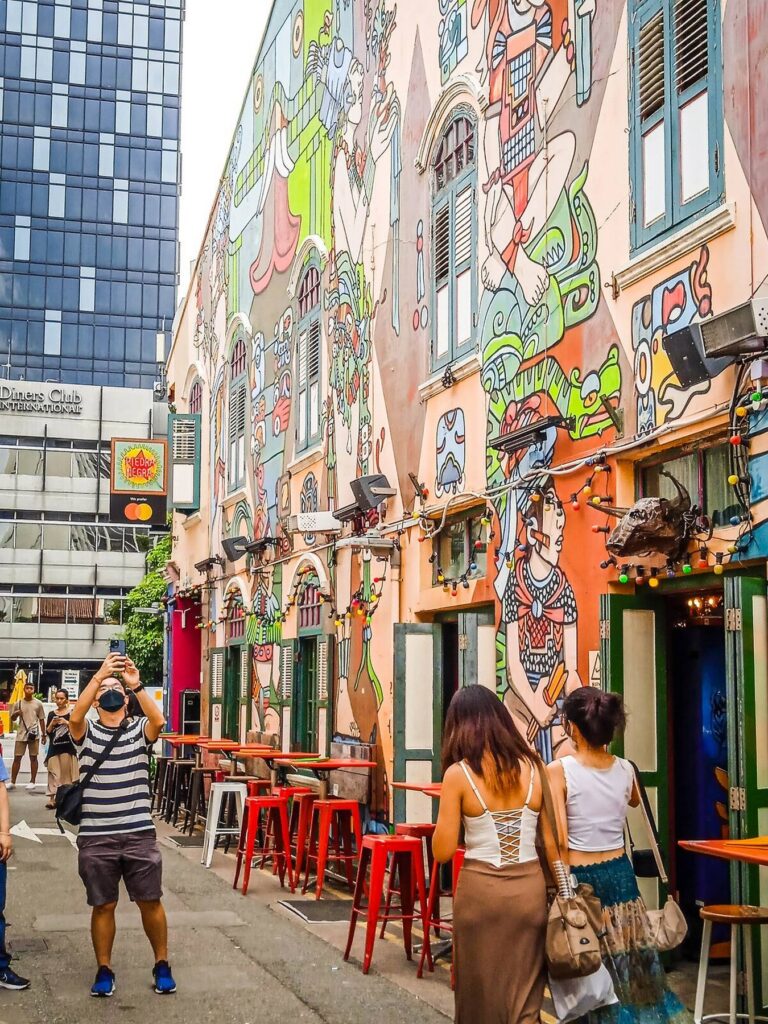
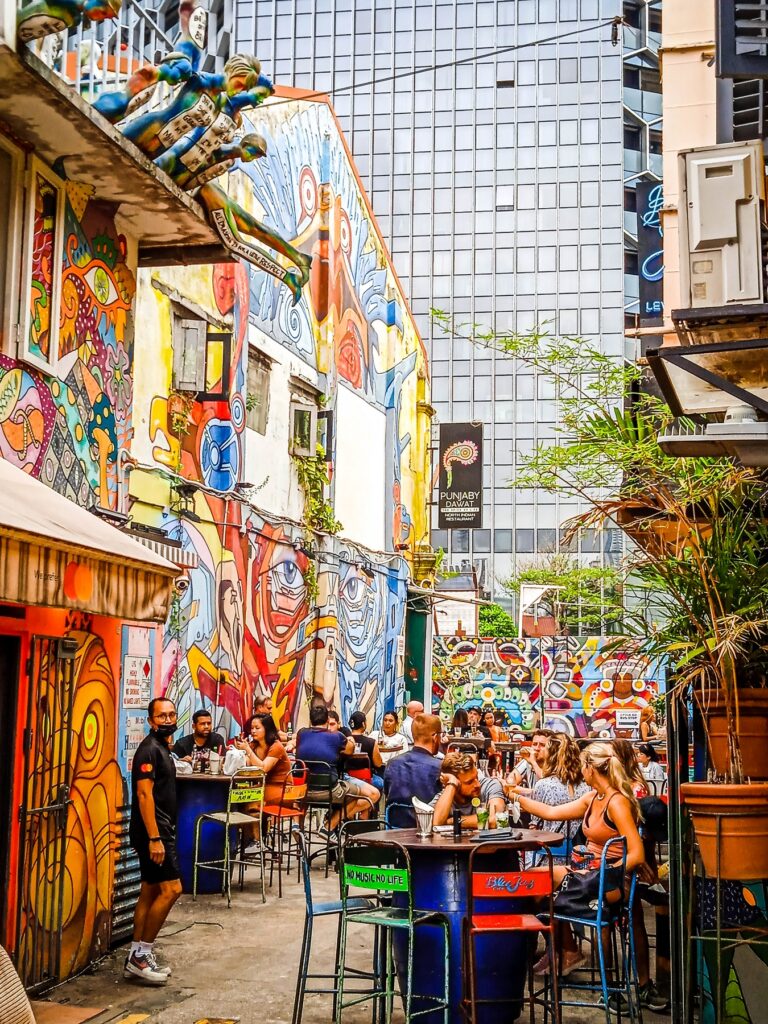
Step outside, however, and the tempo shifts instantly. Just across the road lies Haji Lane—arguably Singapore’s hipster epicentre—where indie boutiques, fashionable cafés, and vivid wall murals turn every corner into an Instagram tableau.
Beyond it unfolds the historic fabric of Kampong Glam, one of Singapore’s most significant heritage districts. Its origins trace back to the early 19th century, when Stamford Raffles formalised Singapore’s first urban plan in 1822. Under what became known as the Jackson Plan, the area that would become Kampong Glam was deliberately set aside for the Malay, Arab, and wider Muslim communities—an act that was as strategic as it was administrative.
This was not merely a matter of zoning, but of political diplomacy. Raffles recognised the authority of the Malay rulers who had long held influence in the region, and in doing so, established Kampong Glam as the seat of Malay royalty in Singapore. The Sultan of Johor, along with his court, was granted residence here, transforming the district into both a royal enclave and a centre of cultural legitimacy.
At the same time, the area evolved into a vital entrepôt for Arab traders, many of whom arrived from Hadhramaut in present-day Yemen. They brought with them not only goods—textiles, spices, and perfumes—but also networks, capital, and religious scholarship. Over time, Kampong Glam became a nexus of commerce and faith, where trade routes intersected with intellectual and spiritual exchange.
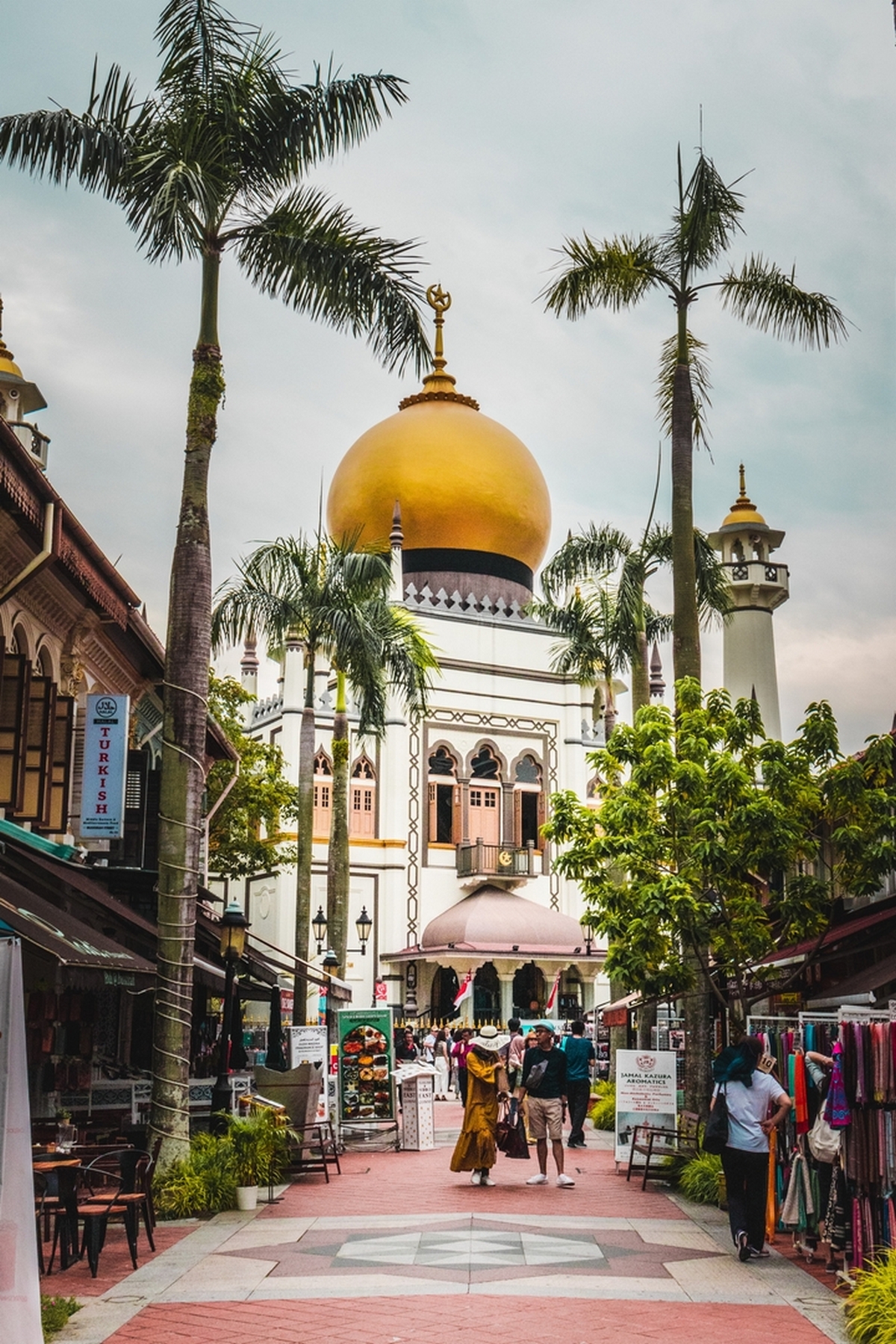
At the spiritual and historical heart of Kampong Glam rises the majestic Sultan Mosque, a structure whose significance extends far beyond its striking architectural presence.
First commissioned in 1824 by Stamford Raffles for Sultan Hussein Shah, the original mosque marked both a political gesture and a cultural anchor—an acknowledgement of Malay sovereignty and the centrality of Islam within the emerging colonial port. Its very establishment signalled that Kampong Glam was not merely a residential quarter, but the spiritual nucleus of the Muslim community in Singapore.
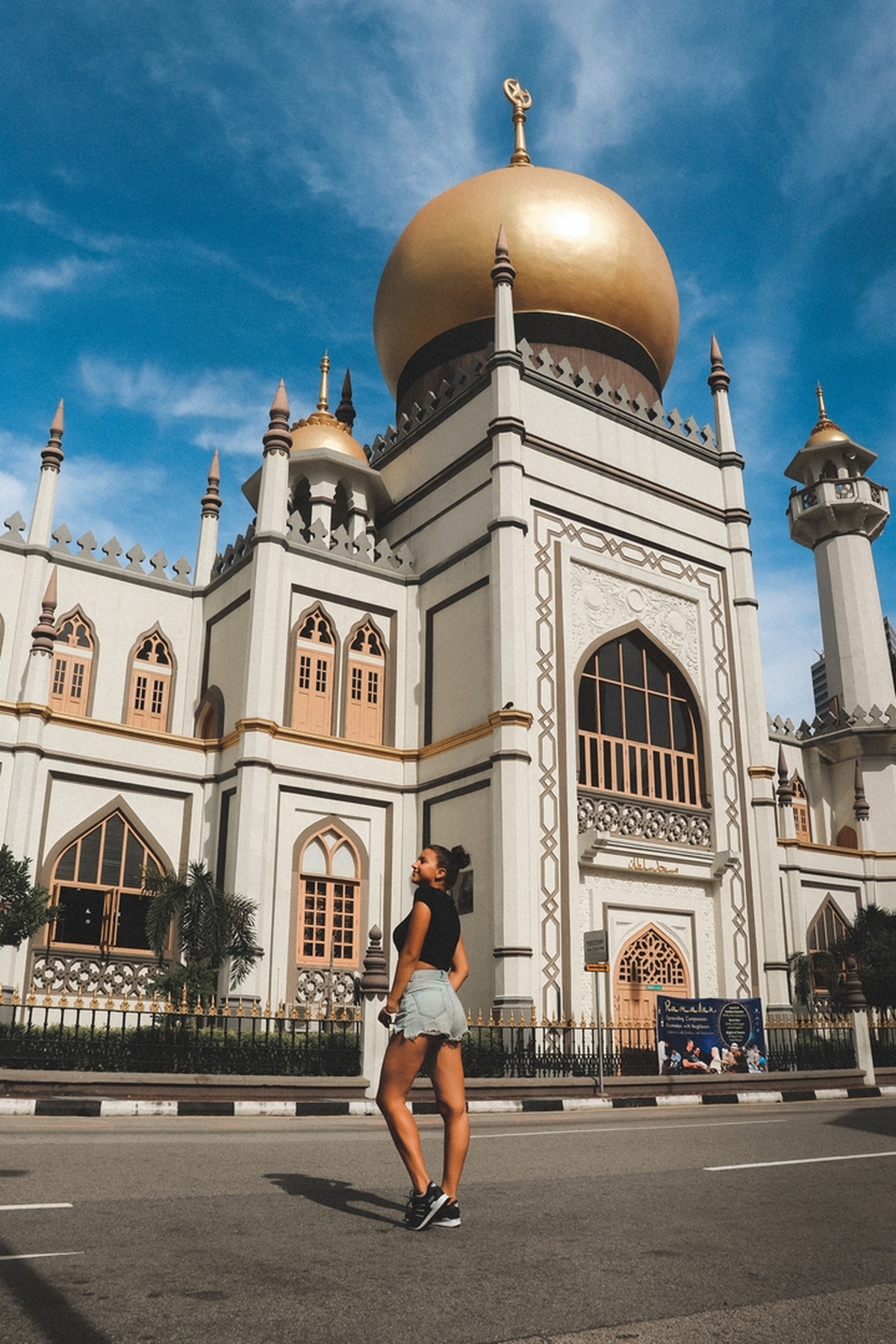
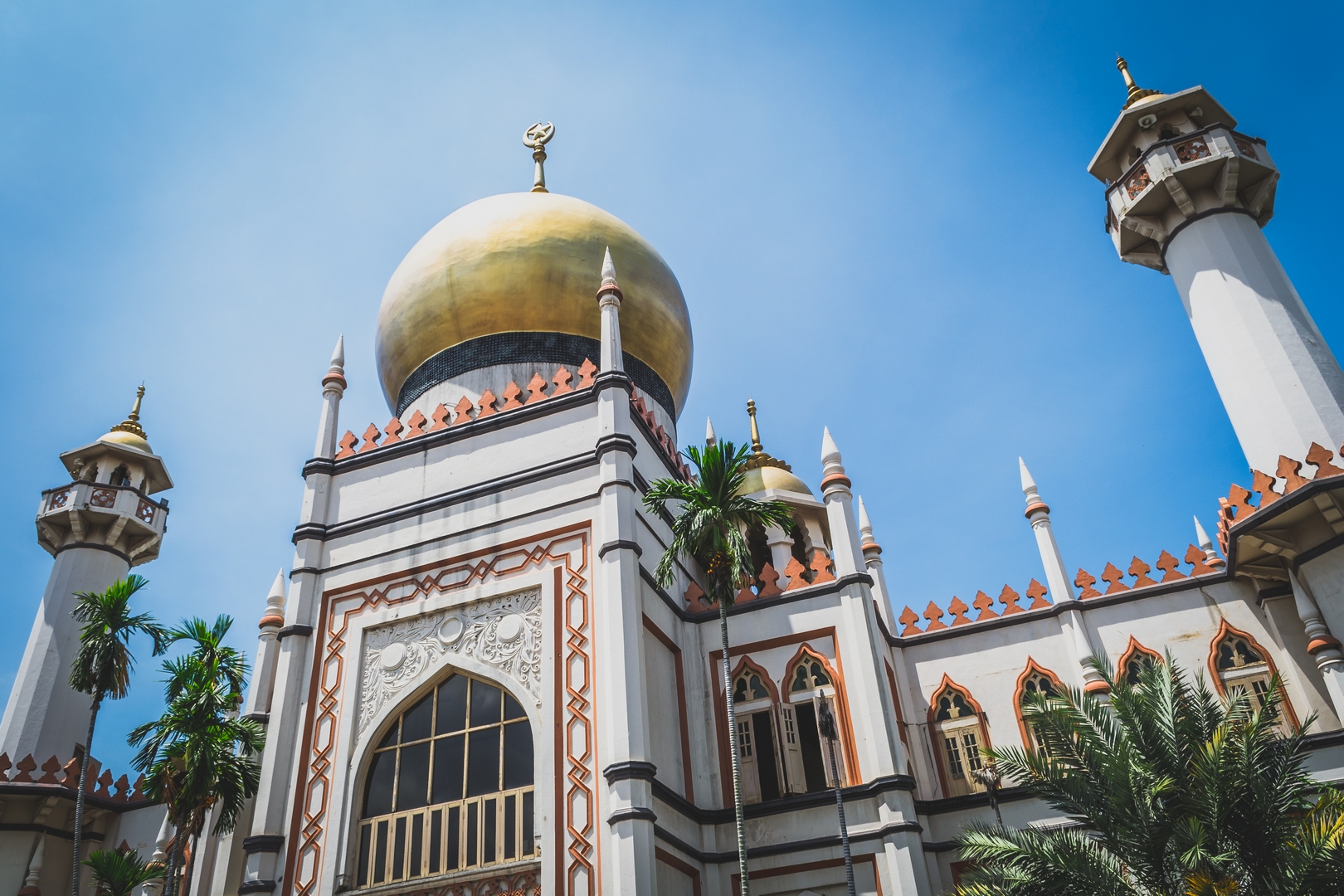
The mosque that stands today, completed in 1928, was a monumental rebuilding—one that reflected the growing confidence and prosperity of the Muslim population. Its grand golden domes and vast prayer hall were conceived not only to accommodate a larger congregation, but to express permanence, dignity, and faith in a rapidly modernising city. Notably, the bases of its domes are adorned with glass bottle ends—donations from early members of the community, including those of modest means. This detail, often overlooked, remains one of the mosque’s most poignant symbols: a collective act of devotion that quite literally forms part of its foundation.
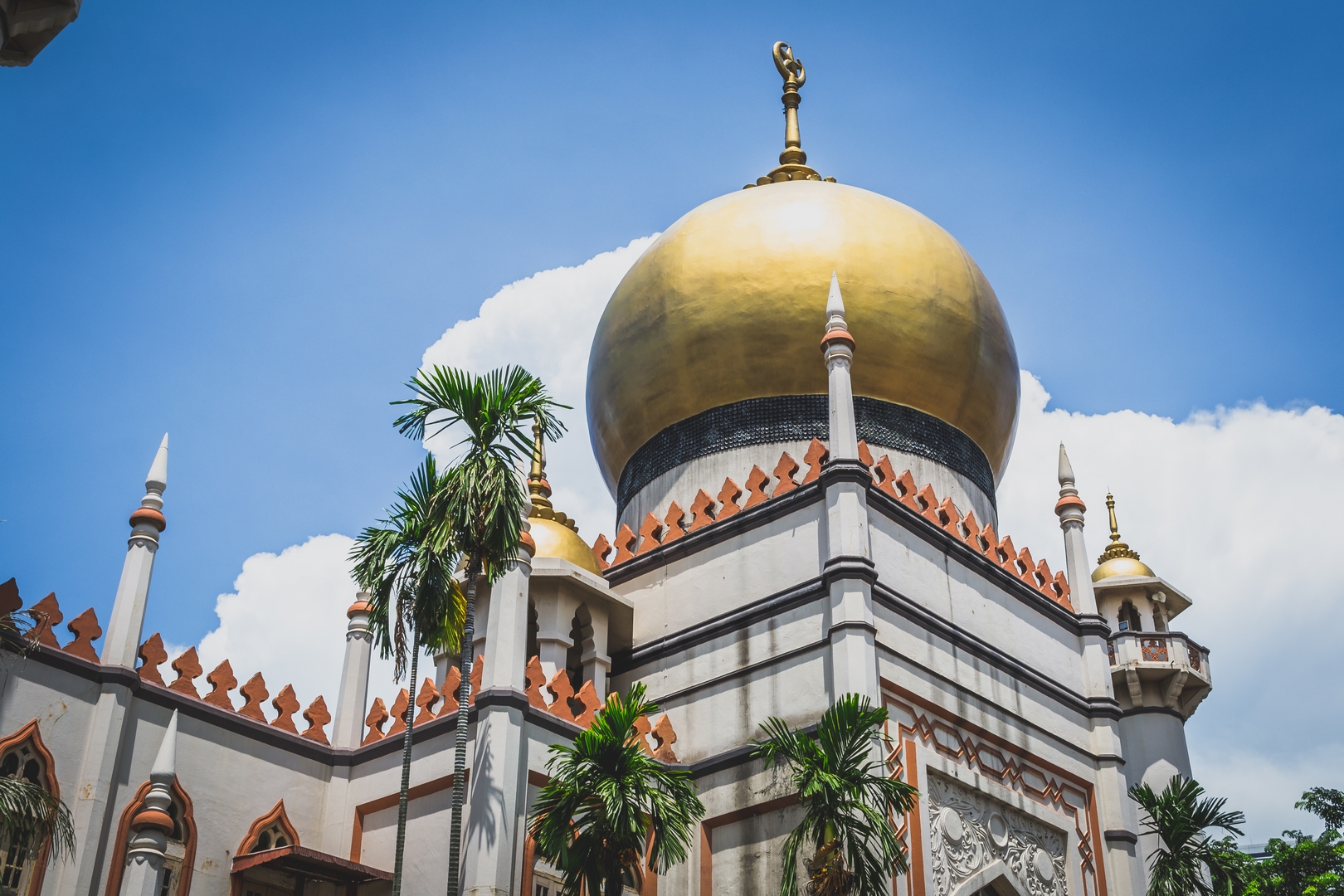
Across decades, through colonial rule, war, and independence, Sultan Mosque has remained a constant. It has witnessed the transformation of Singapore from trading post to global metropolis, yet continues to function as a living institution—its call to prayer still echoing across the district, its courtyards still gathering worshippers from across generations.
Nearby, the storied “Yellow House” stands as another reminder of the district’s architectural and cultural legacy. Constructed in the mid-19th century, it was originally part of the extended royal precinct surrounding the Istana Kampong Glam, the former palace of the Malay rulers, and stood at the heart of Singapore’s early Malay aristocratic settlement.
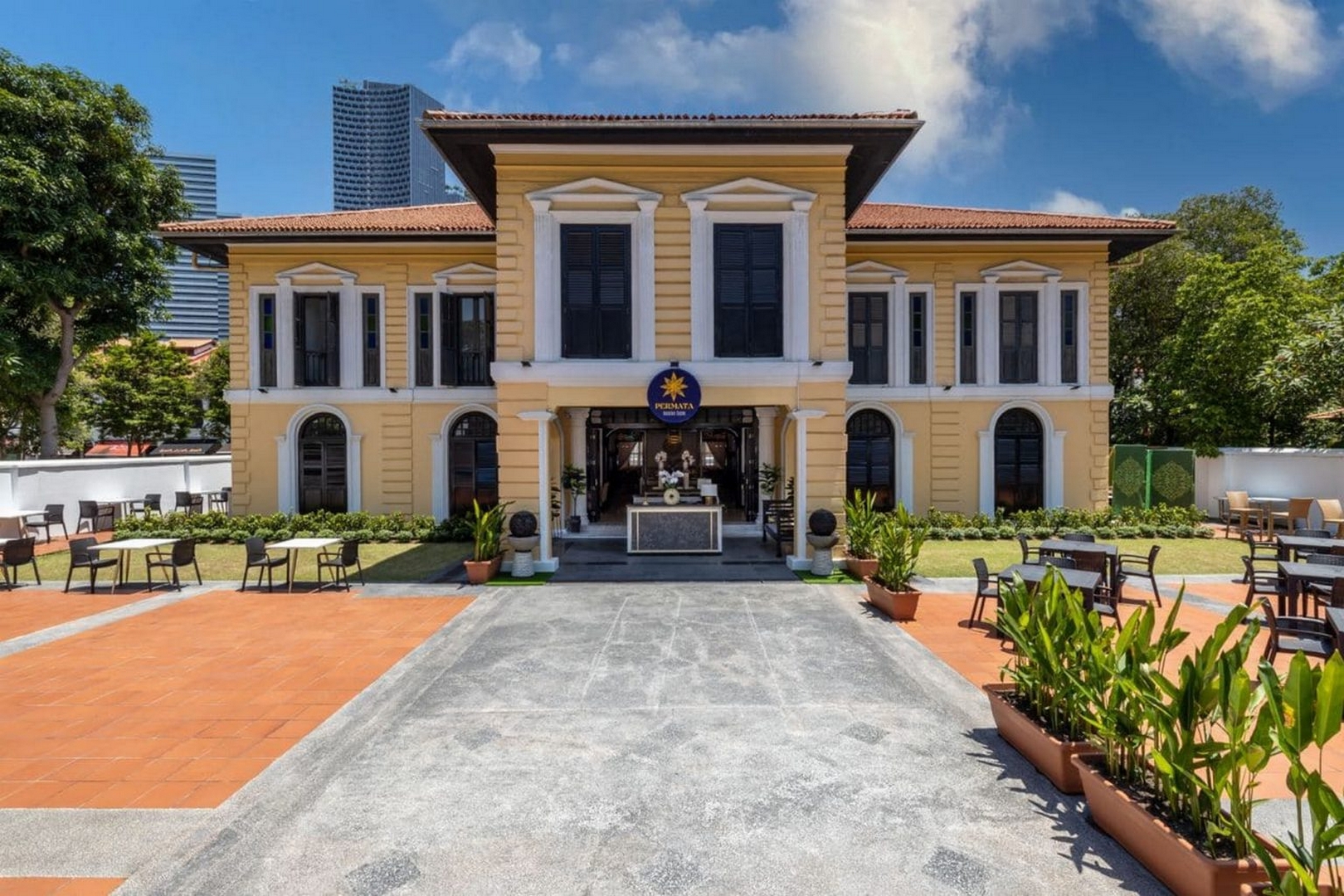
Its earliest notable resident was Tengku Mahmud, a grandson of Sultan Hussein Shah of Johor. Living here placed the mansion among the highest echelons of Malay society, and its ochre walls reflected its occupants’ noble lineage, as yellow was traditionally reserved for royalty and those of significant standing.
By the early 20th century, the house was acquired by Haji Yusoff bin Haji Mohamed Noor, a prominent Malayo-Javanese merchant. The family resided here for nearly a century, filling the mansion with the rhythms of domestic life: weddings, family gatherings, and daily routines that rendered the house not just architecturally significant, but a lived and storied home.
Through colonial transitions, war, and Singapore’s rapid modernisation, the Yellow House endured. In 1999, it was conserved by the government and restored as part of Kampong Glam’s living heritage, standing today adjacent to the Malay Heritage Centre as a tangible link to the district’s layered history. Its walls speak quietly of royalty, trade, and the daily lives that have shaped the soul of this culturally rich enclave.
Here in Kampong Glam, tradition and trend coexist effortlessly—a dynamic the hotel mirrors with quiet confidence. It is within this juxtaposition—between reverent history and restless modernity—that the hotel finds its most compelling expression. It does not shield its guests from the city; rather, it frames the experience, allowing one to move seamlessly between introspection and immersion.
Connectivity is another of the property’s understated strengths. With Nicoll Highway MRT station directly behind the hotel and buses right at its doorstep, access to the Central Business District—including Raffles Quay, Shenton Way, and Tanjong Pagar—is seamless. Suntec City is just one subway stop away, while the Suntec Convention Centre sits two stops from the hotel, making it equally compelling for business and leisure travellers.
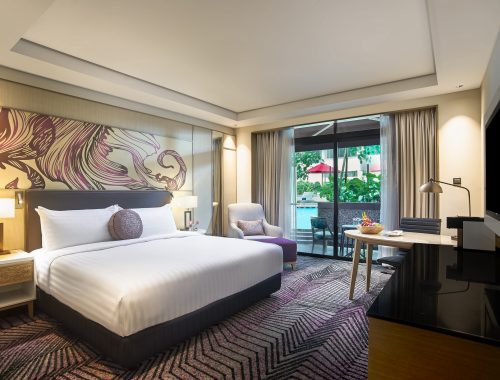
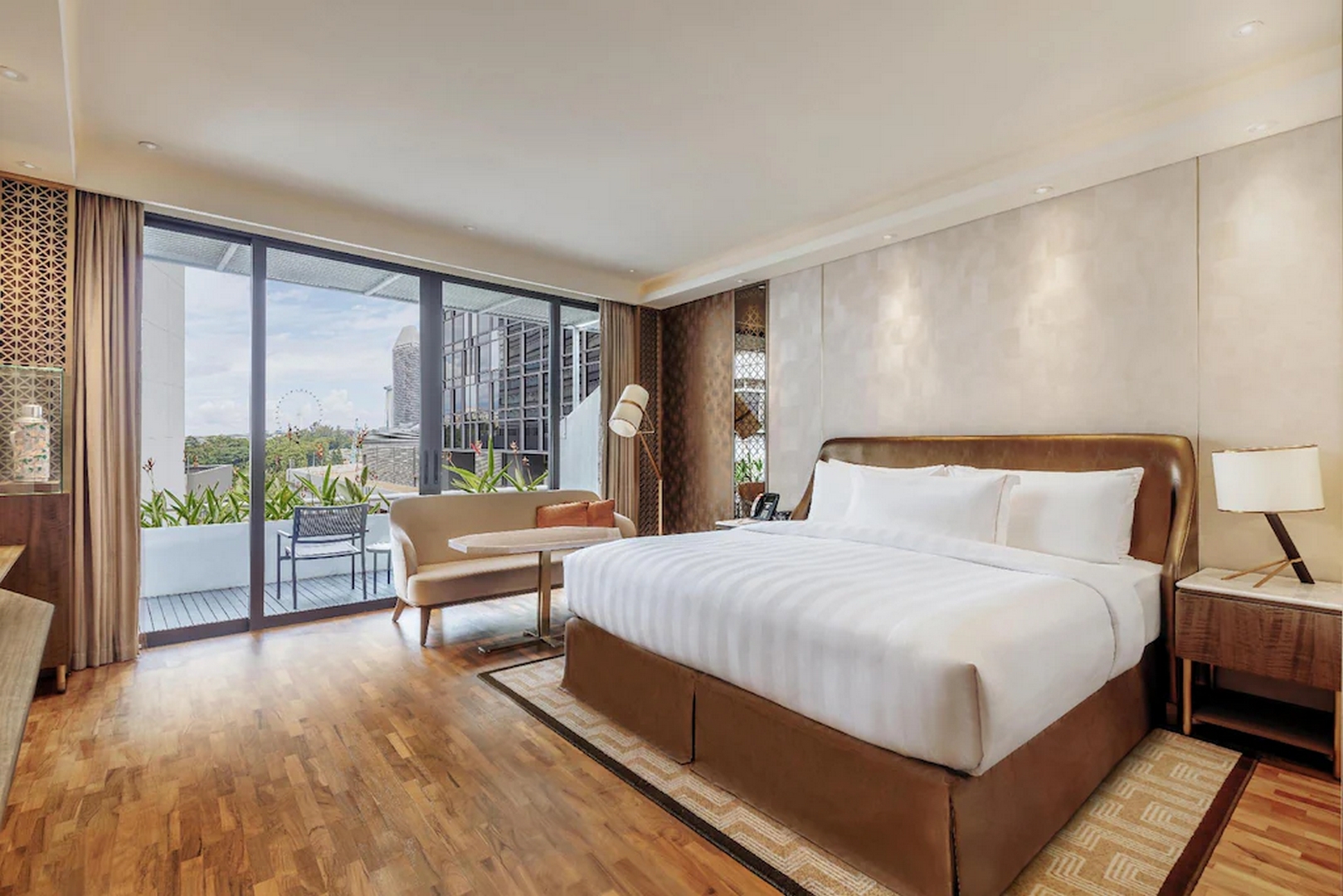
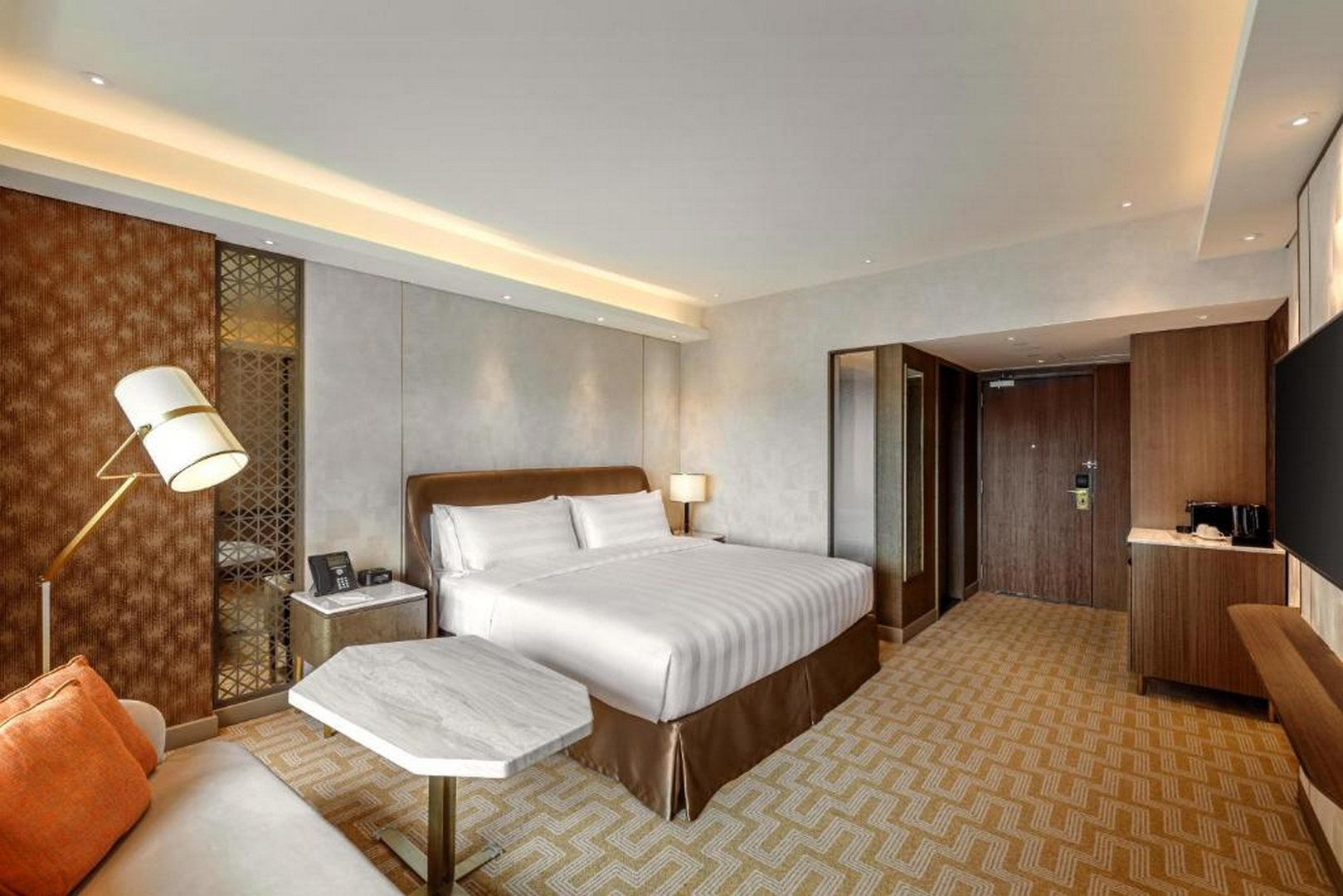
Within the rooms, the design language shifts to one of refined comfort. The Club Rooms in particular showcase a thoughtful interplay of texture and tone: champagne-toned textured wall coverings catch the light with quiet sophistication; bronze latticework introduces a subtle architectural rhythm; geometric carpets ground the space in contemporary elegance. Real parquet flooring—an increasingly rare luxury—adds warmth underfoot.
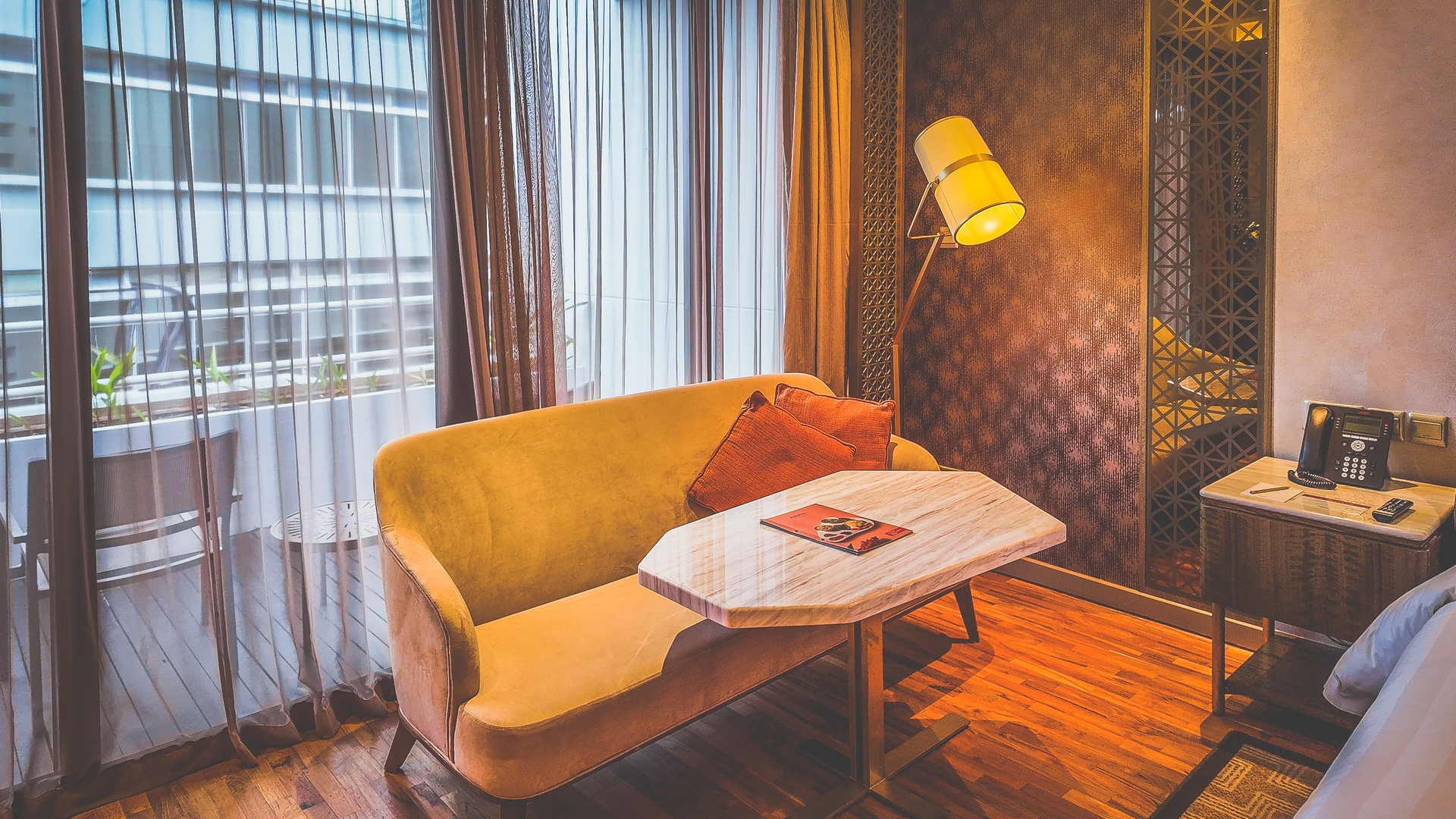
The layout is notably versatile, with a sofa and table that can function equally well as a dining area or a working bureau.
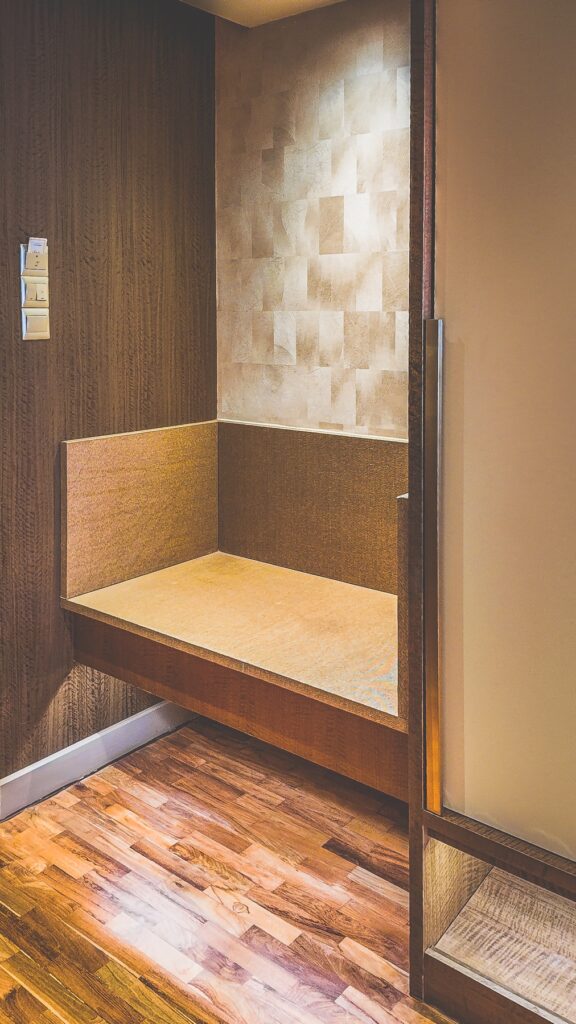
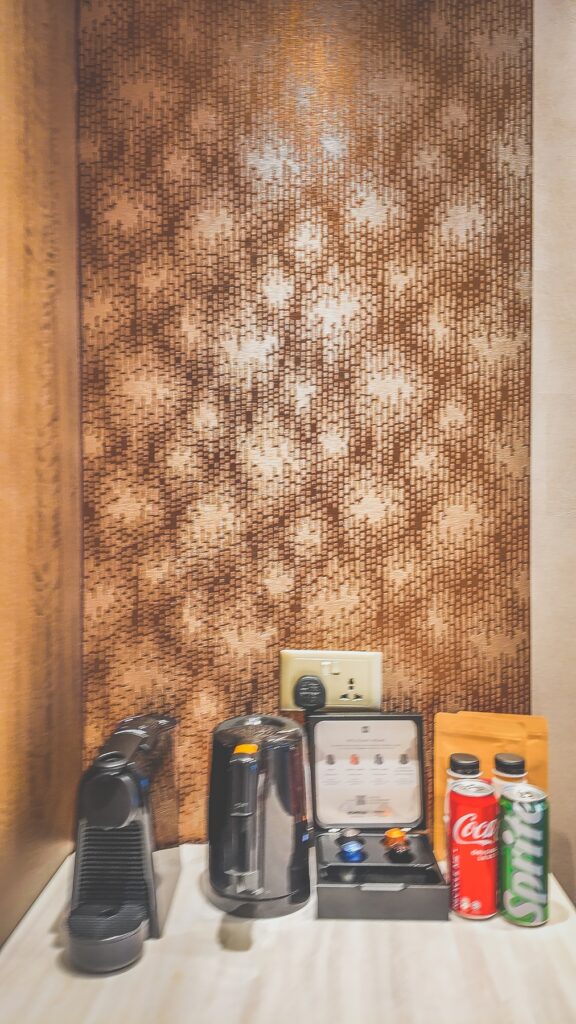
Practicality is woven seamlessly into the design. Blackout curtains ensure uninterrupted rest, while amenities include a fridge, kettle, coffee and tea facilities, and a wardrobe fitted with an in-room safe. Clever touches abound: a luggage bench with additional storage beneath, and dedicated space under the wardrobe for shoes. The inclusion of a Nespresso machine, alongside complimentary soft drinks, juices, and snacks, further elevates the experience.
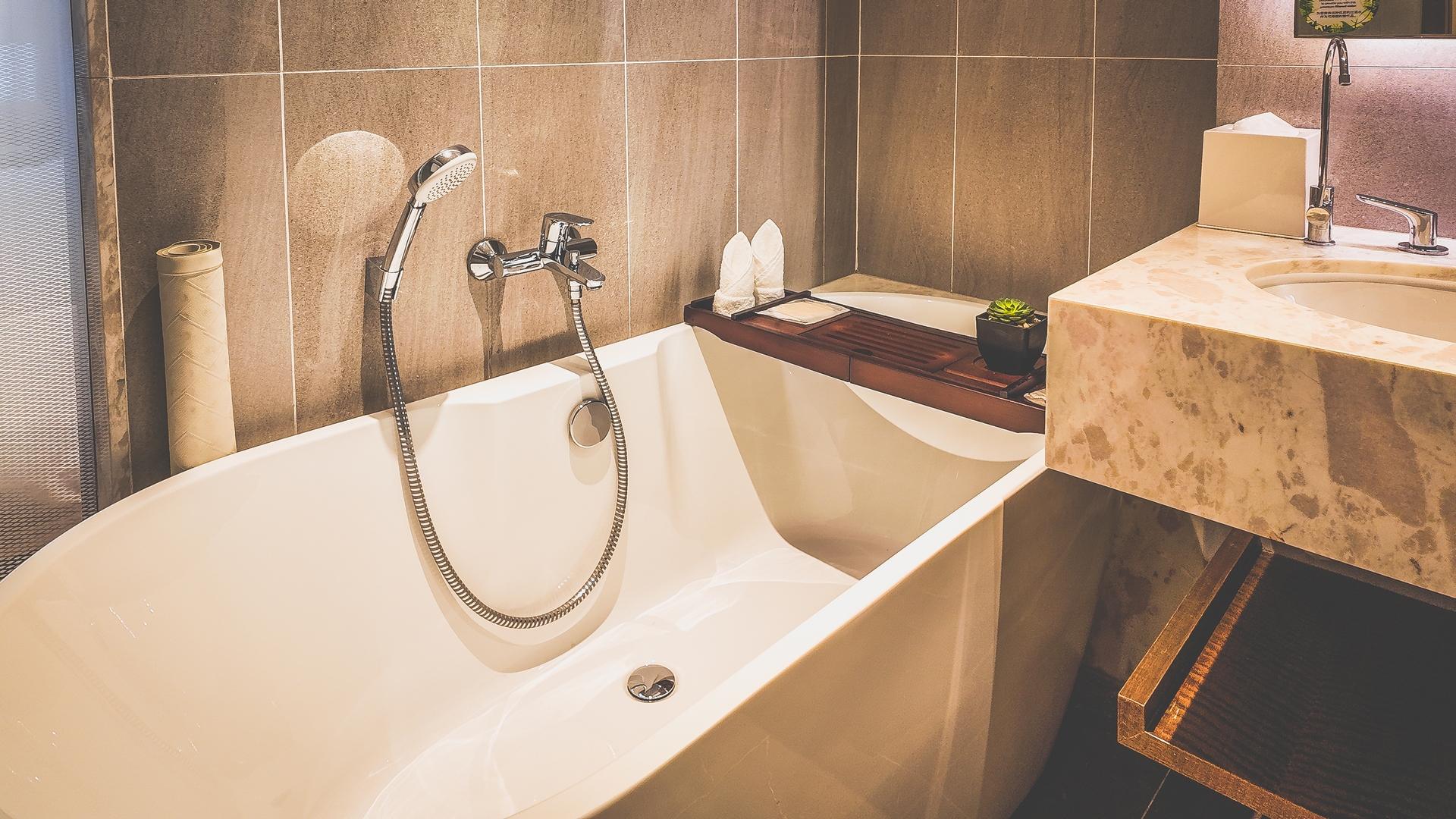
Bathrooms are equally considered, featuring bathtubs—now a rarity. Even the inclusion of mouthwash, a detail so often omitted elsewhere, speaks to an attentiveness that borders on anticipatory.
On the seventh floor, the highest tier of Club accommodations, select rooms extend outward into private outdoor patios—discreet sanctuaries that offer an alternative to the hotel’s more social spaces. It is here that one begins to appreciate the property’s layered approach to privacy: even at full occupancy, moments of solitude remain within reach.
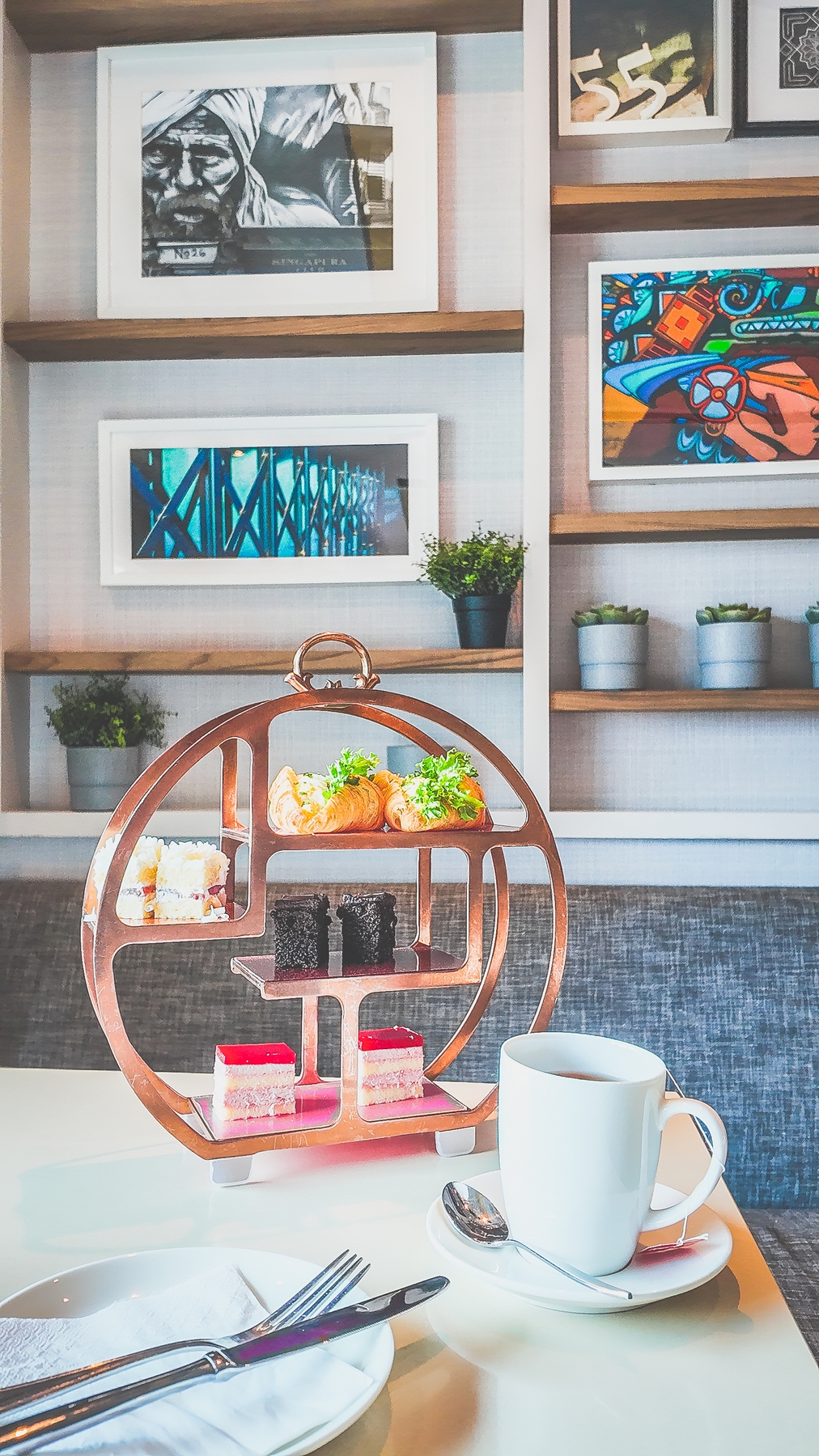
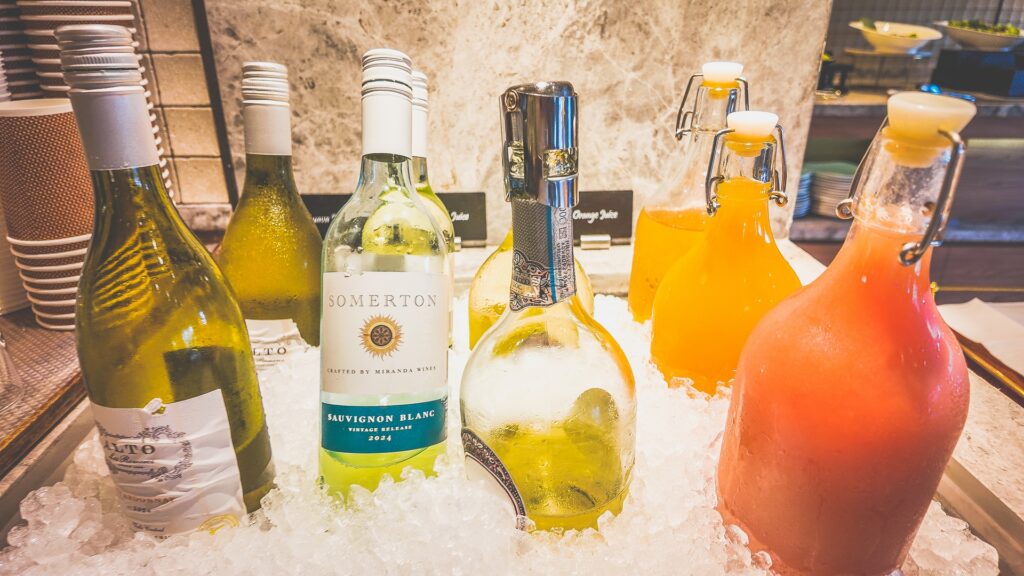
Guests staying in these rooms enjoy the PARKROYAL Club’s extensive privileges, including personalised check-in and check-out, and exclusive access to the Club Lounge from 7:00am to 10:00pm. The daily rhythm unfolds indulgently: breakfast in the morning, light refreshments throughout the day, high tea on weekends and public holidays, and evening cocktails accompanied by hors d’oeuvres.
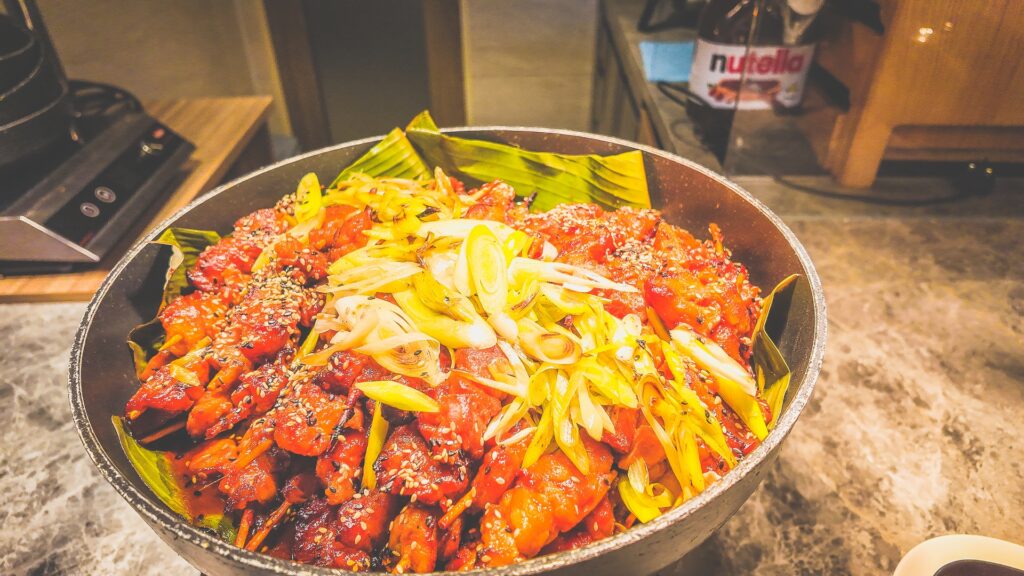
Added conveniences include unlimited in-room broadband, two pieces of daily laundry, and 20% discounts on dining and spa treatments at St. Gregory Spa.
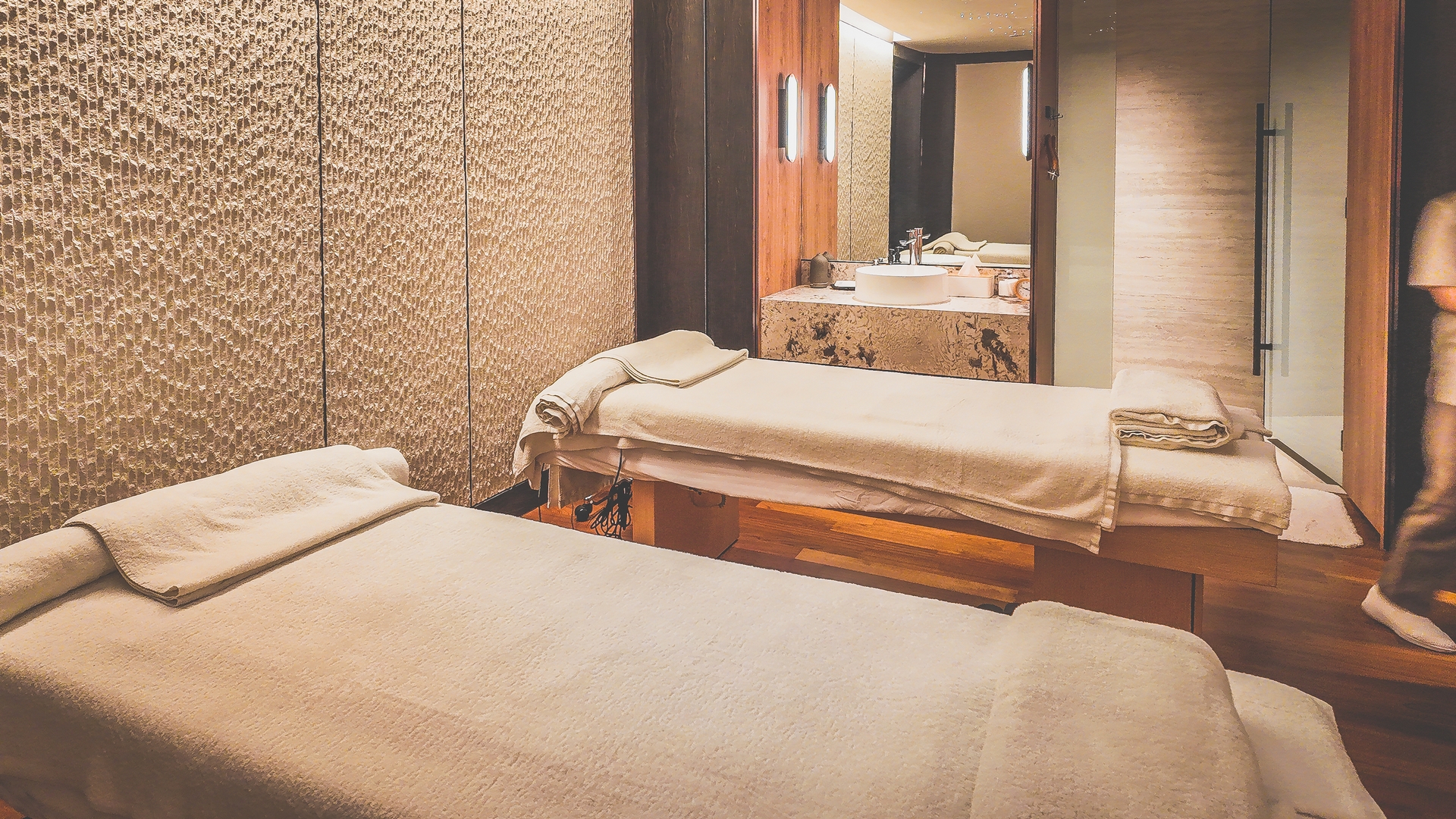
Yet it is the pool that serves as the hotel’s undeniable social heart.
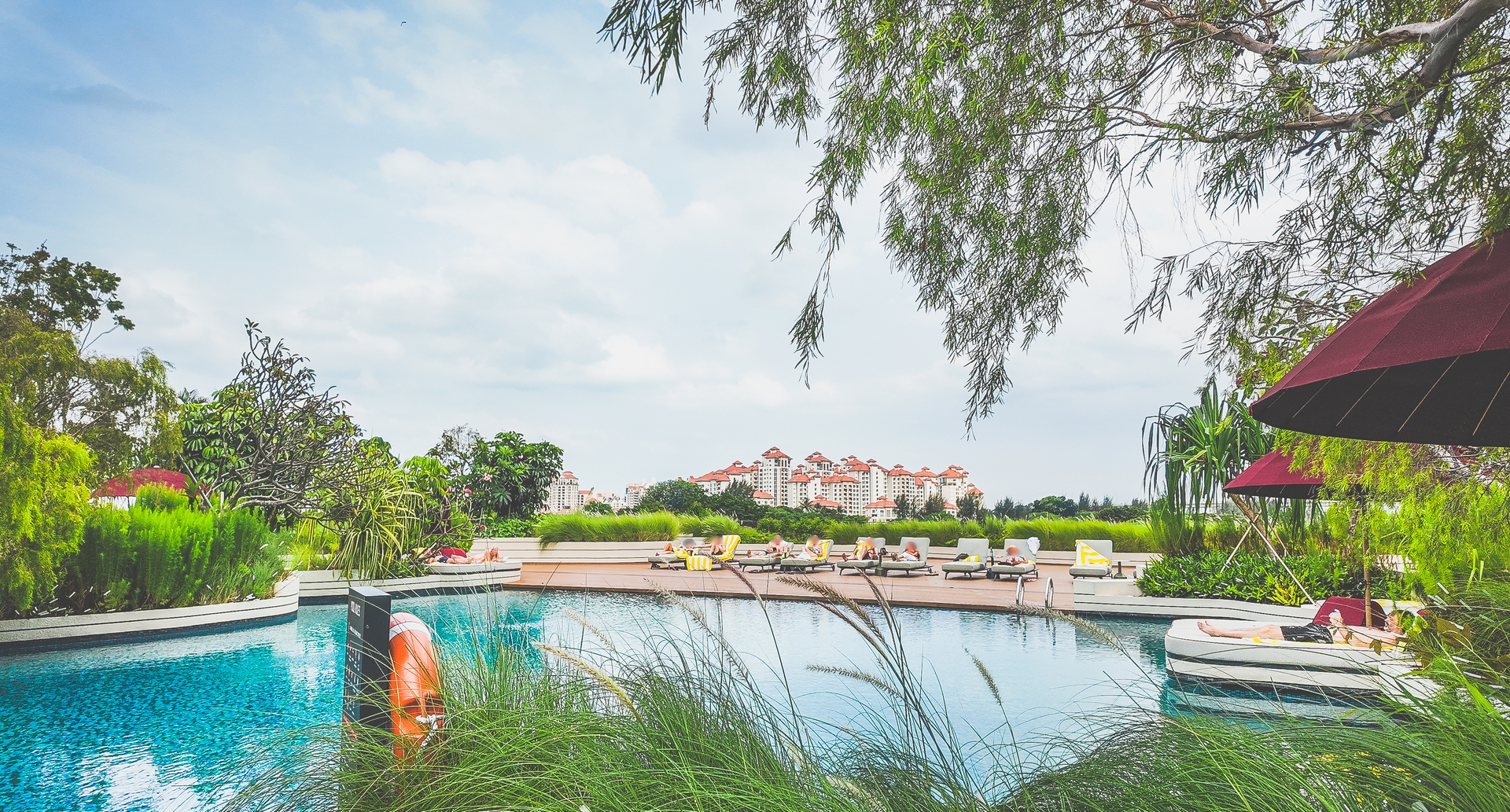
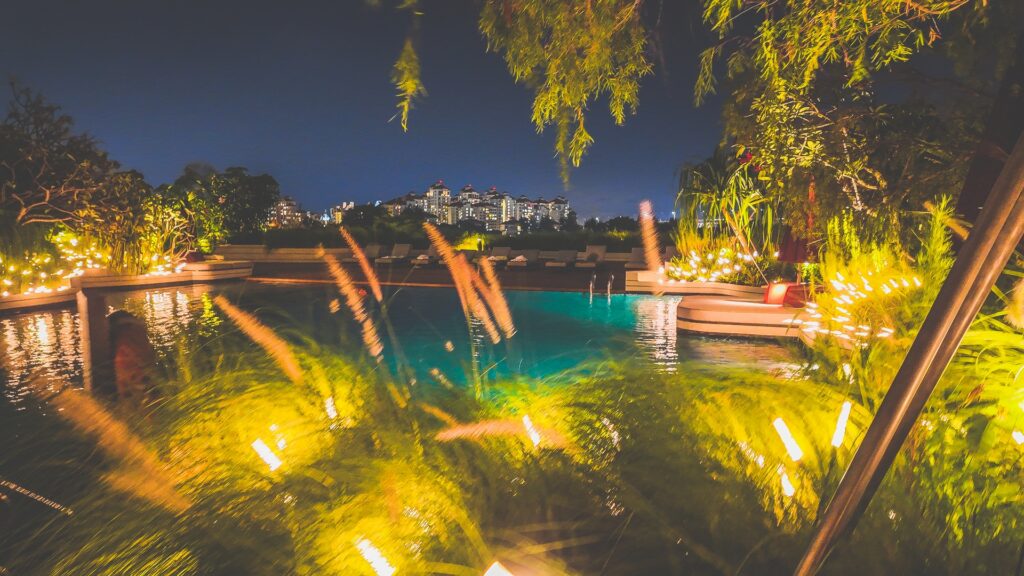
Wildly popular, the pool deck unfolds like a hidden oasis, enveloped in lush landscaping that evokes a resort far removed from the city. By day, deck chairs and shaded sunbeds fill quickly—arriving early is essential.
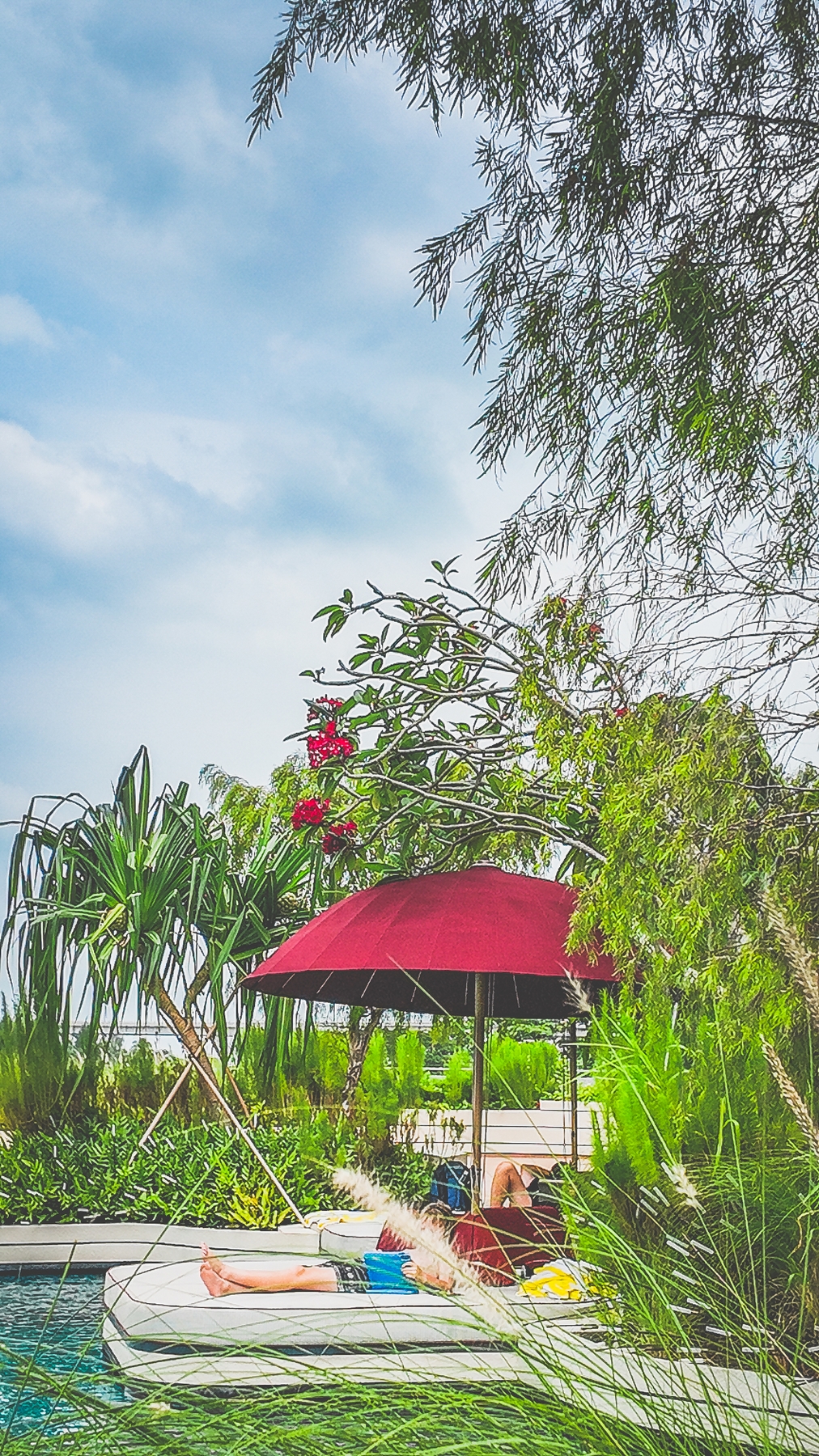
By night, the transformation is quietly magical, as LED lights woven through the greenery cast a soft, ambient glow.
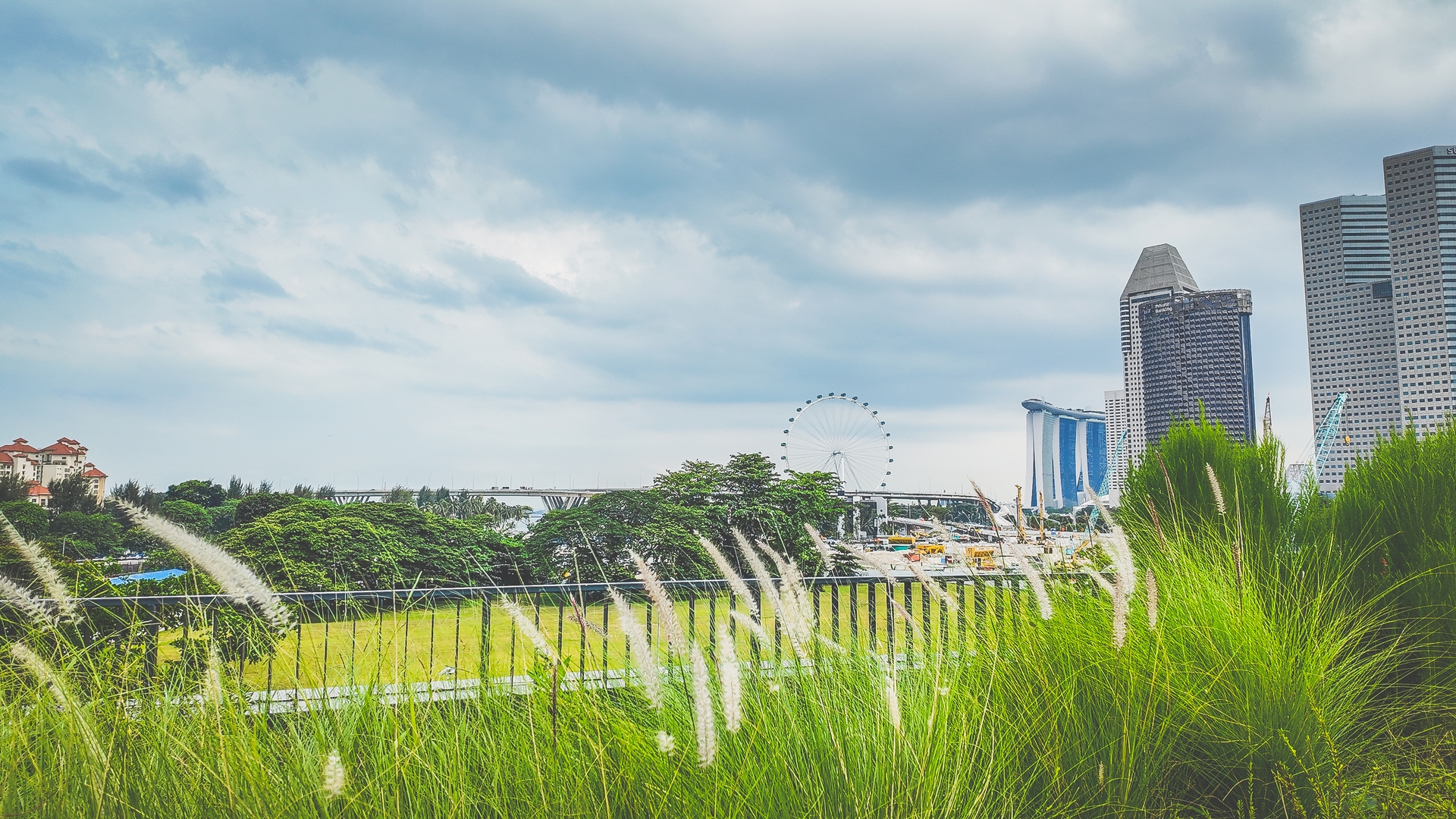
From this elevated vantage point, the city reveals itself in sweeping panorama. The iconic silhouette of Marina Bay Sands rises in the distance, while the elegant arc of the Singapore Flyer punctuates the skyline. On Singapore’s National Day and New Year’s Eve, the experience reaches its apotheosis, as uninterrupted views of the fireworks—lingering for nearly an hour at midnight—transform the pool deck into one of the city’s most privileged vantage points.
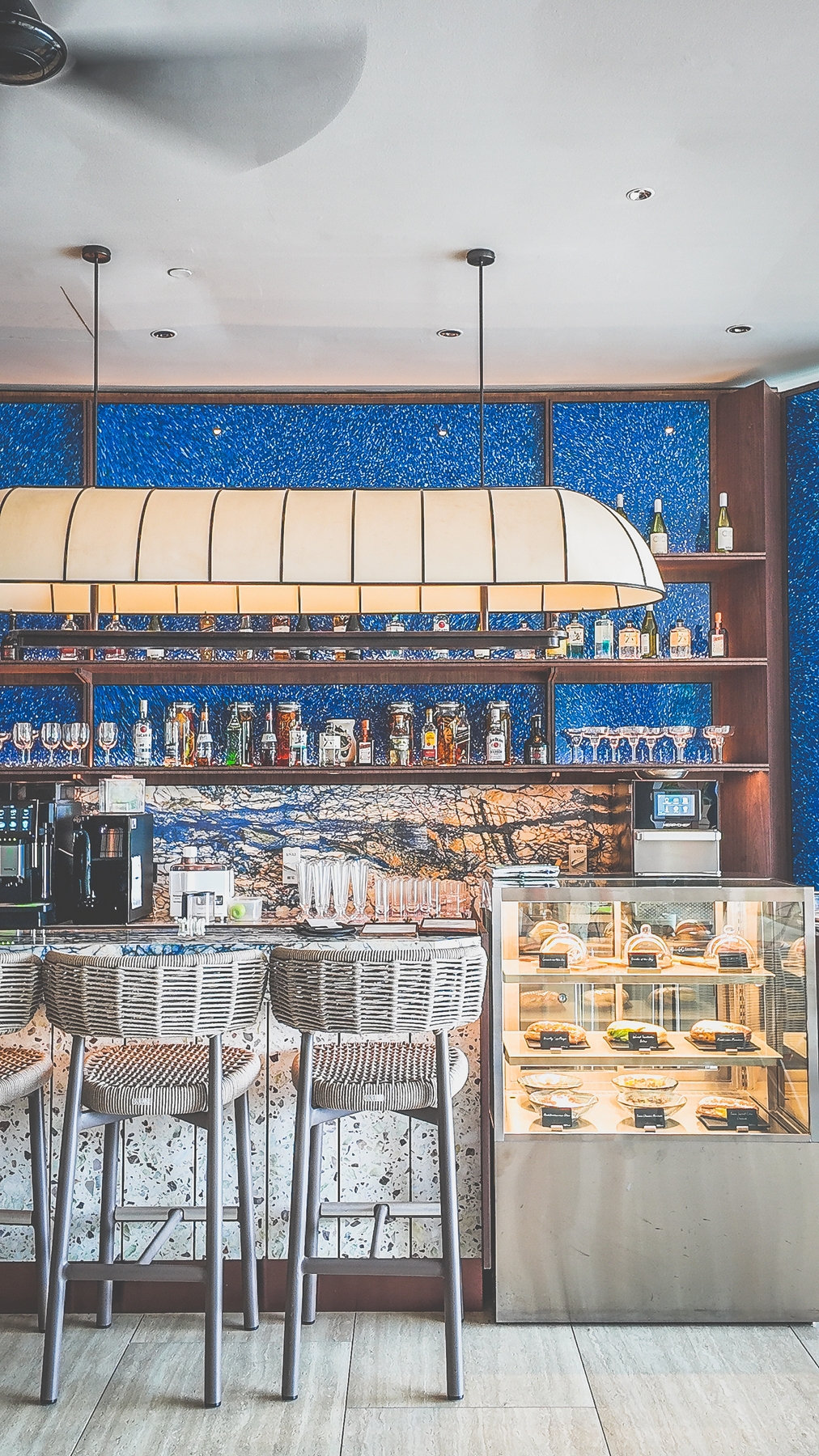
Adjacent, the pool bar is a study in tactile elegance, with blue-veined marble counters, terrazzo-clad surfaces, and dark wood shelving lending depth and richness to the space.
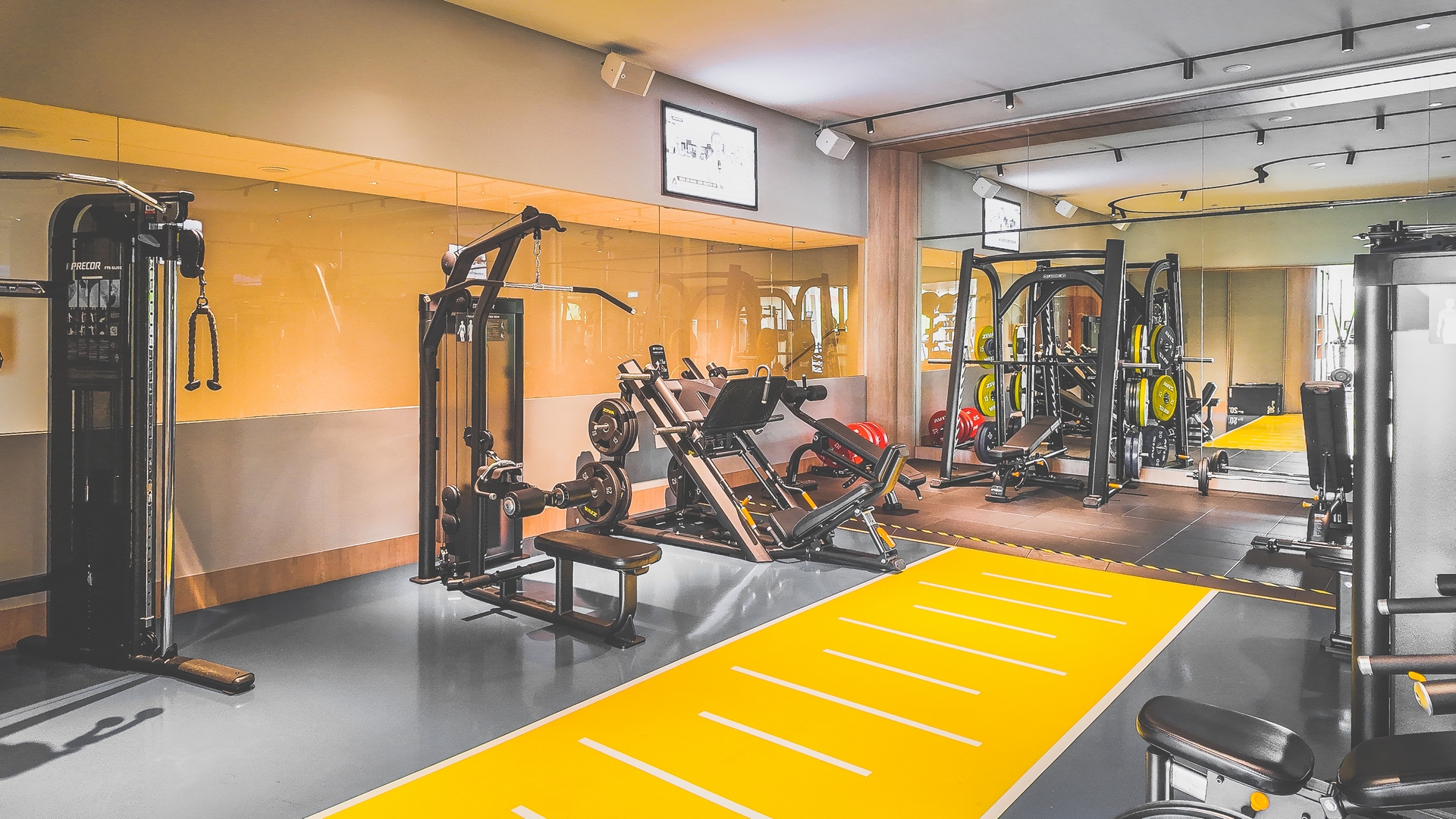
The hotel’s wellness offerings extend further. The gym surpasses typical hotel standards, notably equipped with a Smith rack—an uncommon feature that signals serious intent for fitness-minded guests.
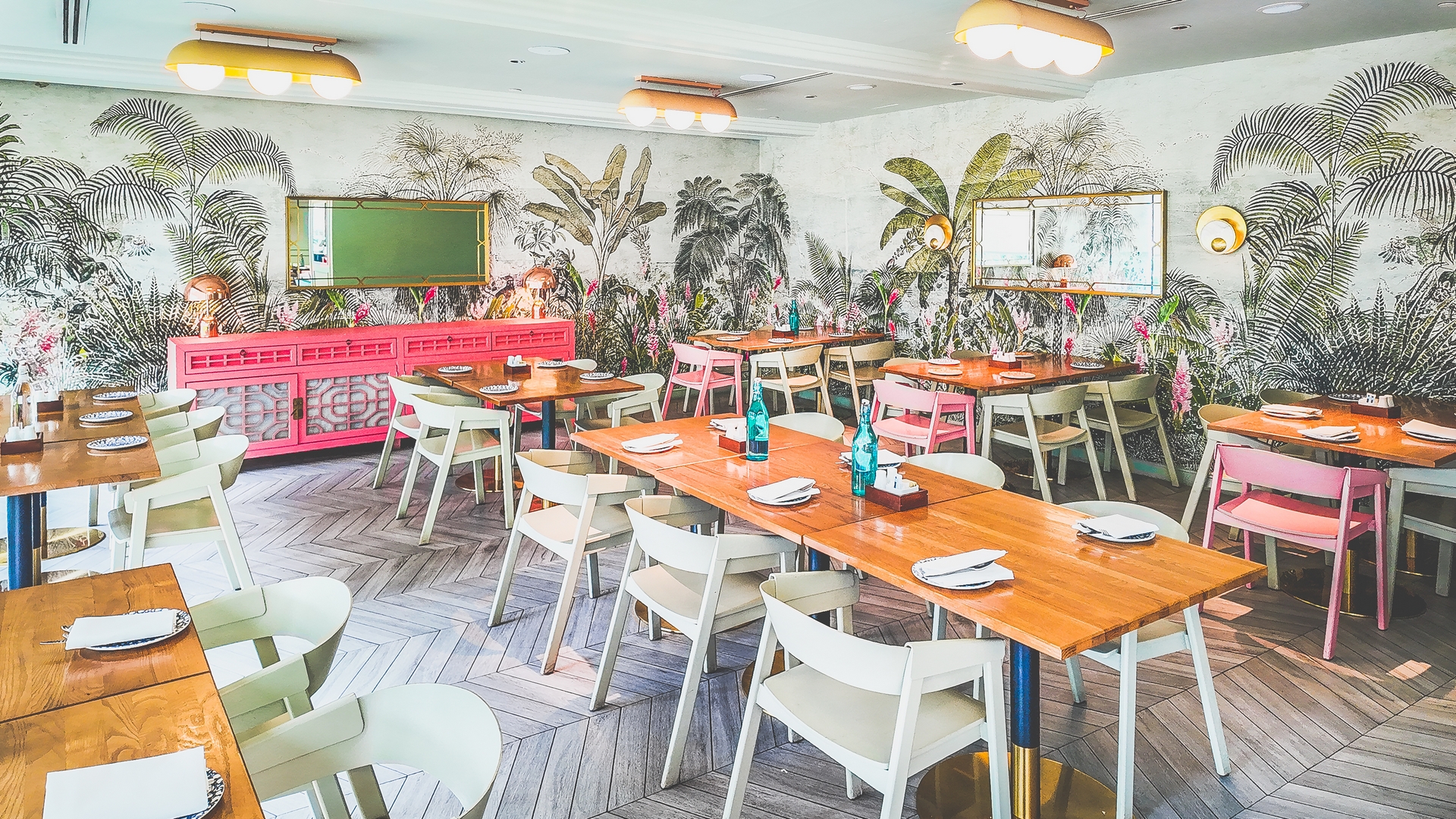
Dining, too, reflects the hotel’s cultural narrative. Ginger, the halal-certified buffet restaurant, has been completely reimagined by Singapore-based Australian designer Emma Maxwell.
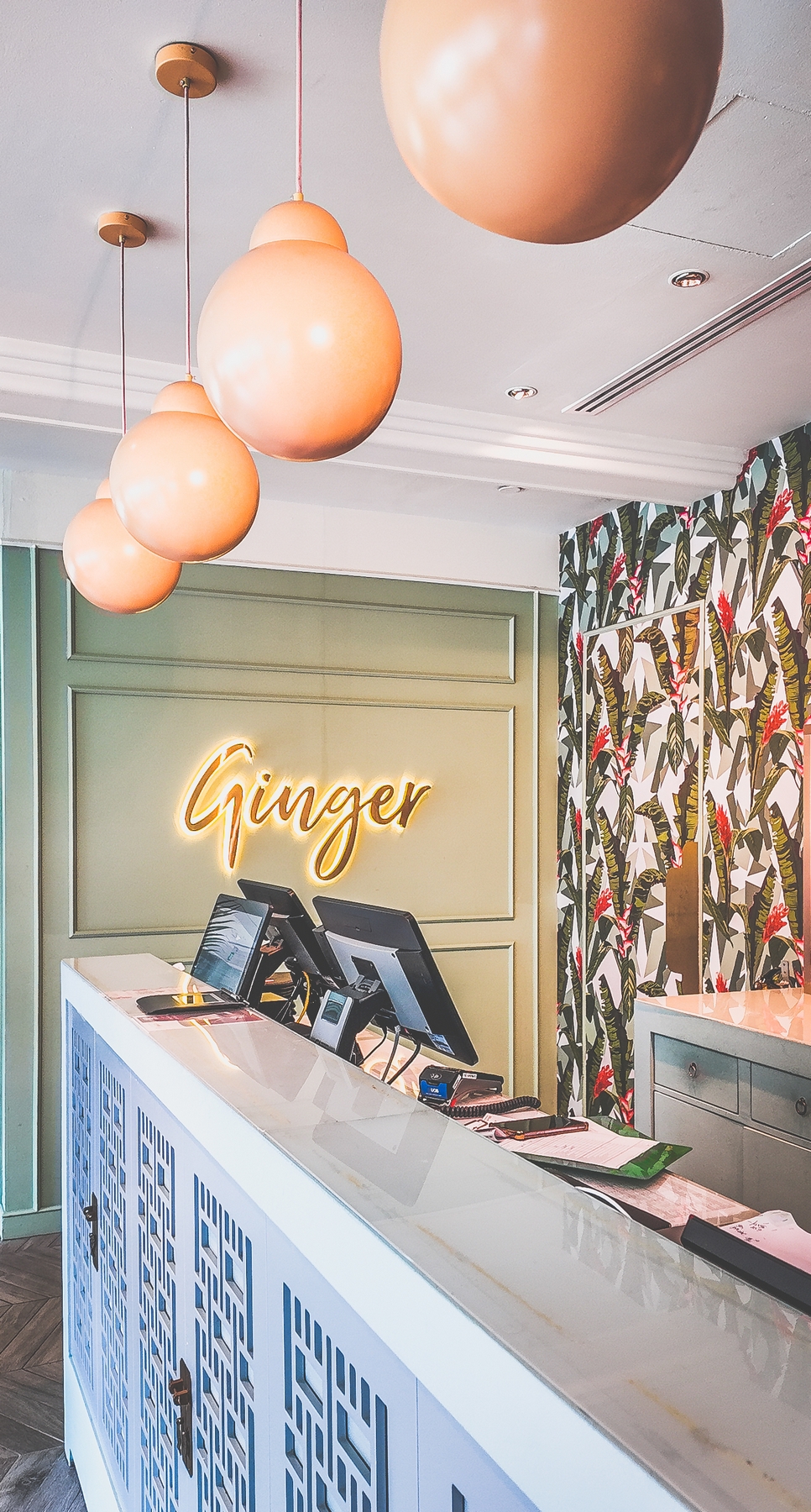
Its interiors, whimsical yet grounded in references to local flora and fauna, mirror the diversity found on its menus. The breakfast spread is notably expansive, spanning Western, Chinese, Indian, and even Japanese options, with highlights such as a noodle station and cold soba.
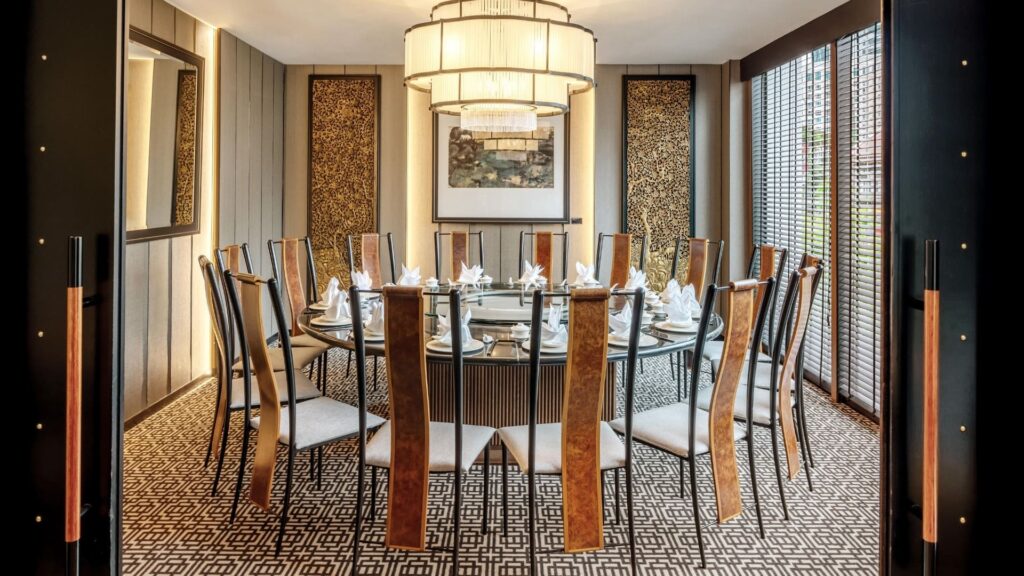
For a more elevated culinary experience, Si Chuan Dou Hua Restaurant presents a loving tribute to Chinese culture. Its award-winning interiors—featuring ancient artefacts, gold latticework, and an ornate Oriental garden—set the stage for classic Sichuan cuisine, where bold, tongue-tingling spices meet piquant sweet-and-sour notes.
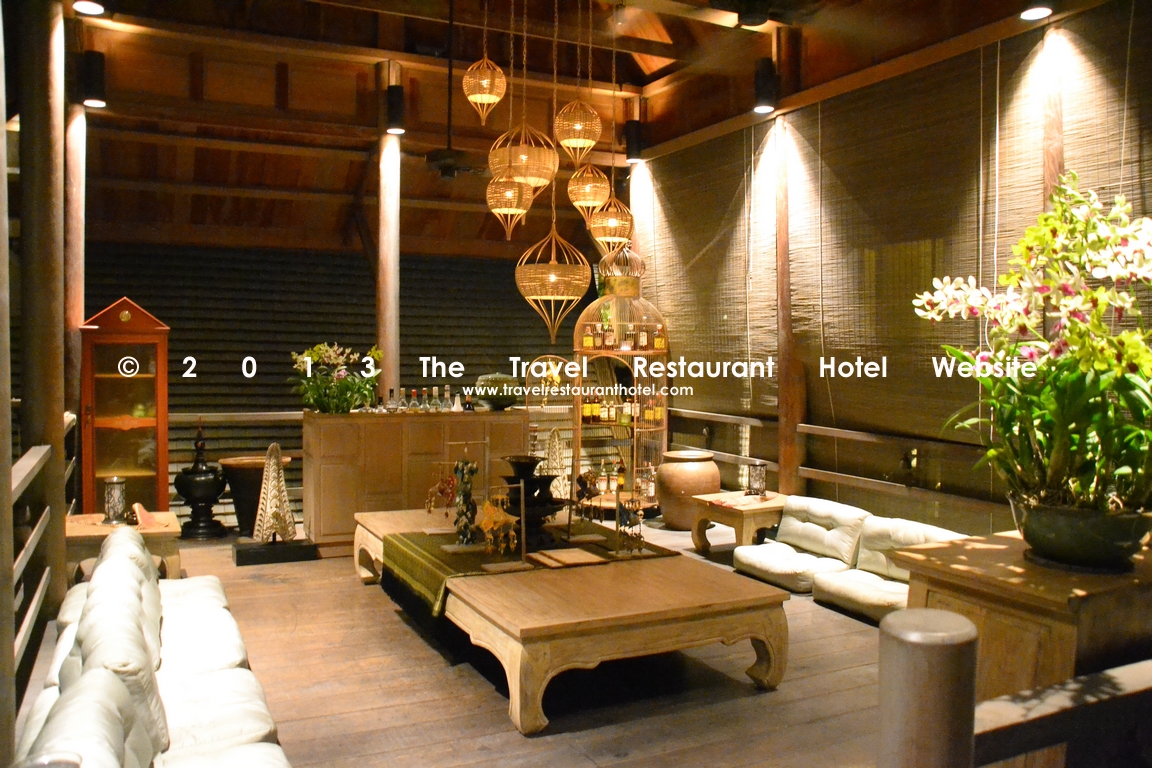
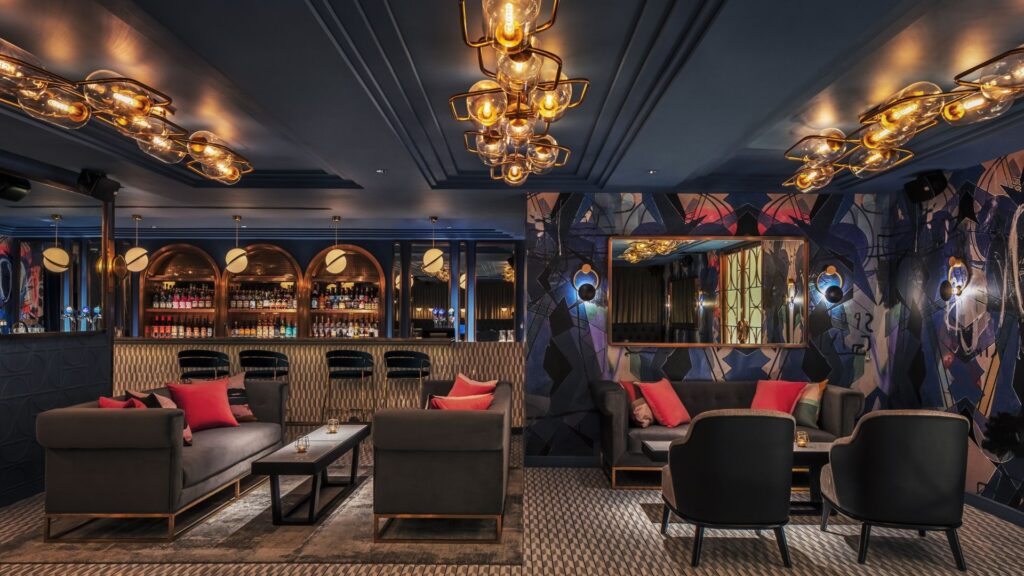
Finally, Club 5 offers a study in transformation. By day, it is a sanctuary of quiet indulgence—coffee, tea, and light fare served in a setting that invites repose. By night, it evolves into a sophisticated social space, where mixologists craft cocktails of layered nuance, accompanied by reinterpreted bar classics that reflect Singapore’s cultural plurality.
A City in Balance, A Hotel in Reflection
In many ways, PARKROYAL on Beach Road is less a standalone destination than it is a finely calibrated reflection of Singapore itself—a nation defined not by singular identity, but by its mastery of balance.
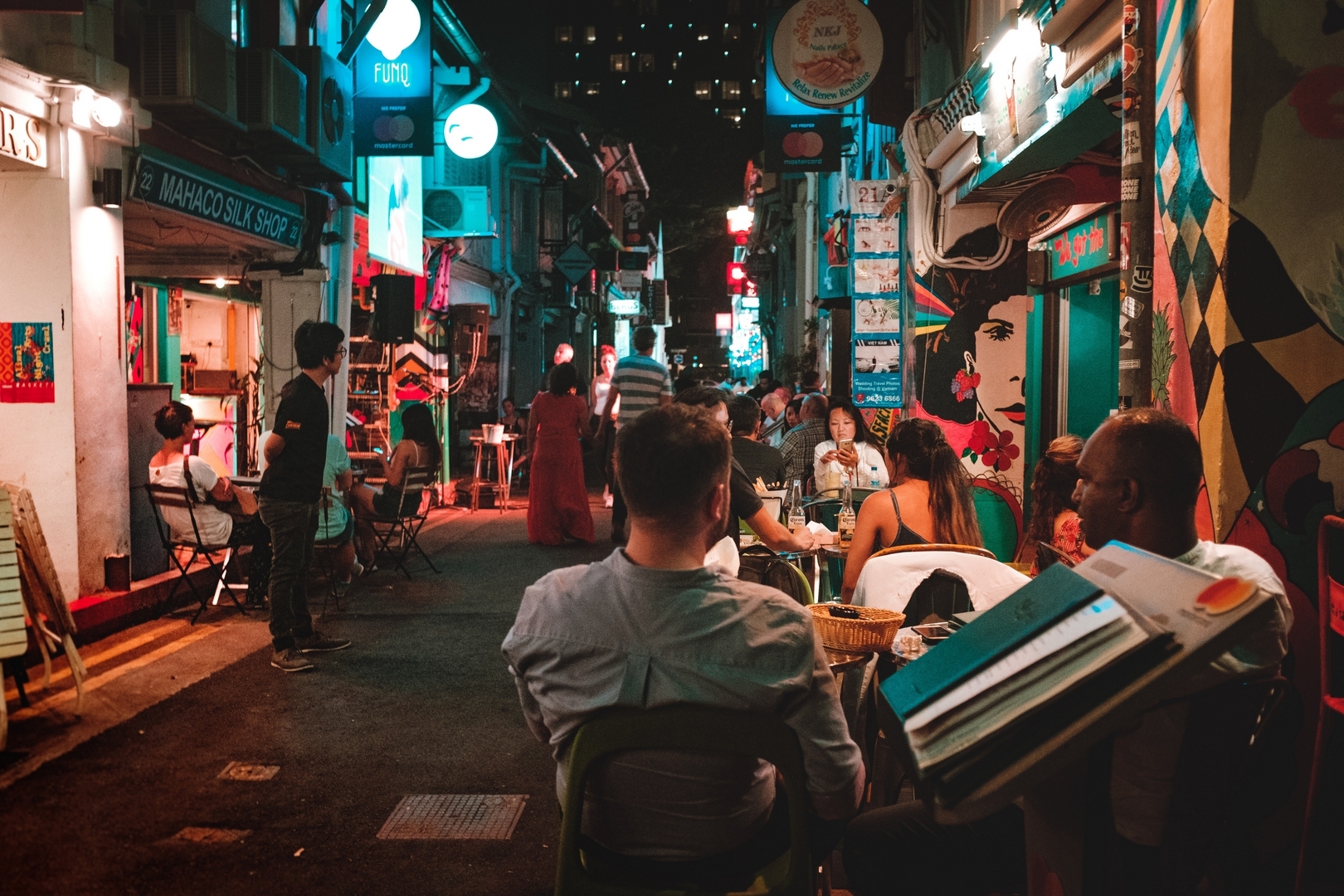
For just beyond its composed interiors lies a city of striking dualities. Steel and glass icons rise with audacious confidence, even as entire districts are preserved with near-reverence. Within minutes, one may pass from the gleaming silhouettes of global finance to the storied streets of Kampong Glam, where tradition is not curated for display, but lived in quiet continuity. The call to prayer from Sultan Mosque still carries across the neighbourhood, threading through cafés, boutiques, and galleries that speak to a younger, more restless energy.
This coexistence—of hyper-modern ambition and deeply rooted heritage—is not incidental. It is, in many respects, Singapore’s defining achievement.
And it is precisely this equilibrium that the hotel so elegantly captures.
PARKROYAL on Beach Road
7500 Beach Road, Singapore 199591
+65 6505 5666
Hotel in Bugis | PARKROYAL on Beach Road Singapore Official Site