Aleeya: A Contemporary Table for the Flavours of the Nusantara
By late afternoon, Singapore’s heat has a way of settling into the city — on stone pavements, along shophouse walls, beneath the broad leaves of roadside trees. It is a climate that seems almost designed for the flavours of the region: chilli that wakes the palate, herbs crushed into pastes, citrus leaves released into hot oil, and dishes whose aromas seem to travel further than their ingredients. At Aleeya, inside Wanderlust Hotel by Ascott, the cooking draws from that familiar Southeast Asian vocabulary, looking towards the Malay-Indo table and the culinary memories attached to it.
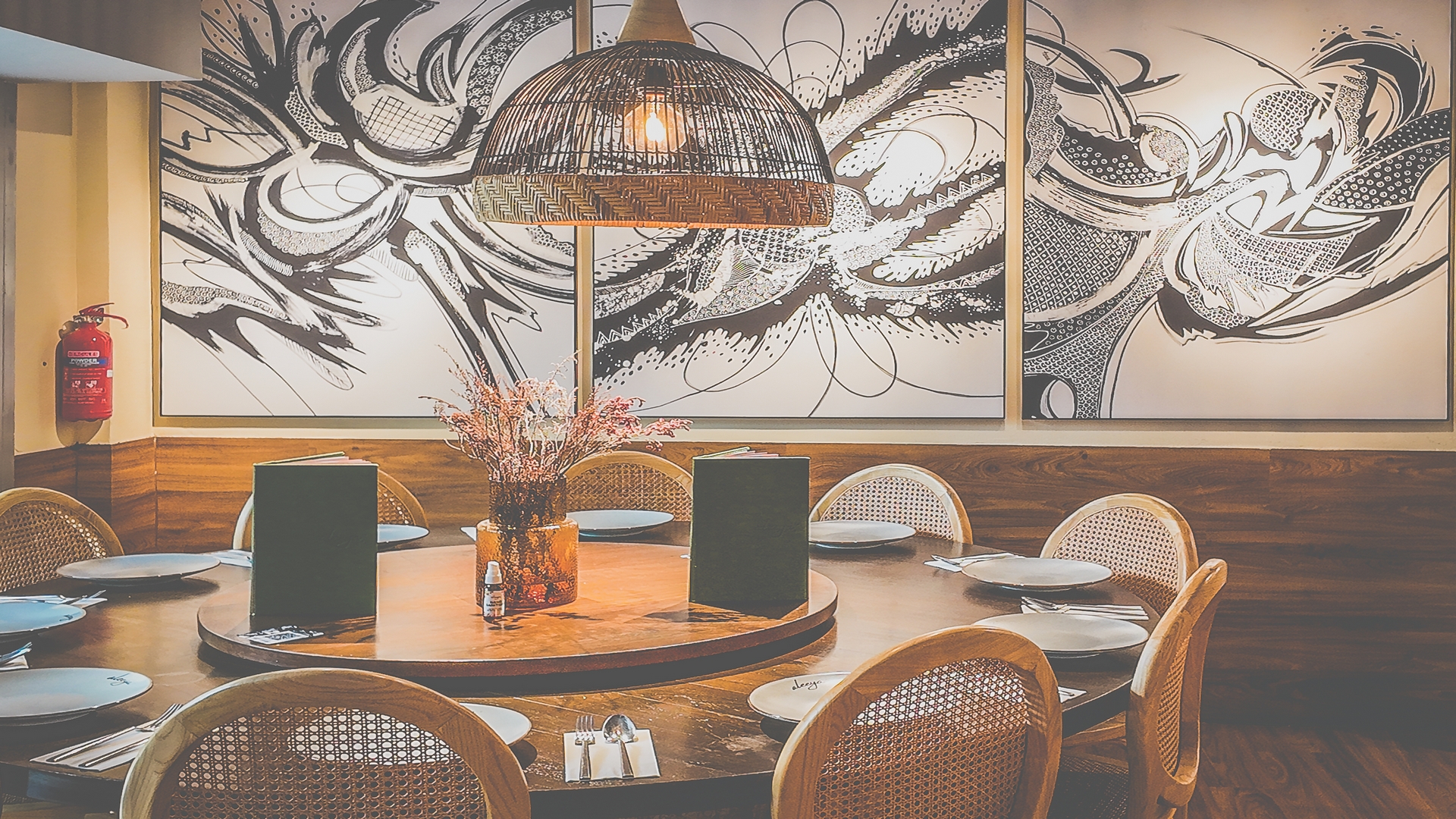
The restaurant’s food is concerned with heritage, but not nostalgia for its own sake. Traditional ingredients and methods form the foundation, while premium proteins and contemporary presentation give the dishes a more current sensibility. There are comforting stews, vivid sambals and grilled meats, but also a certain precision in the way richness is balanced by acidity, spice and freshness.
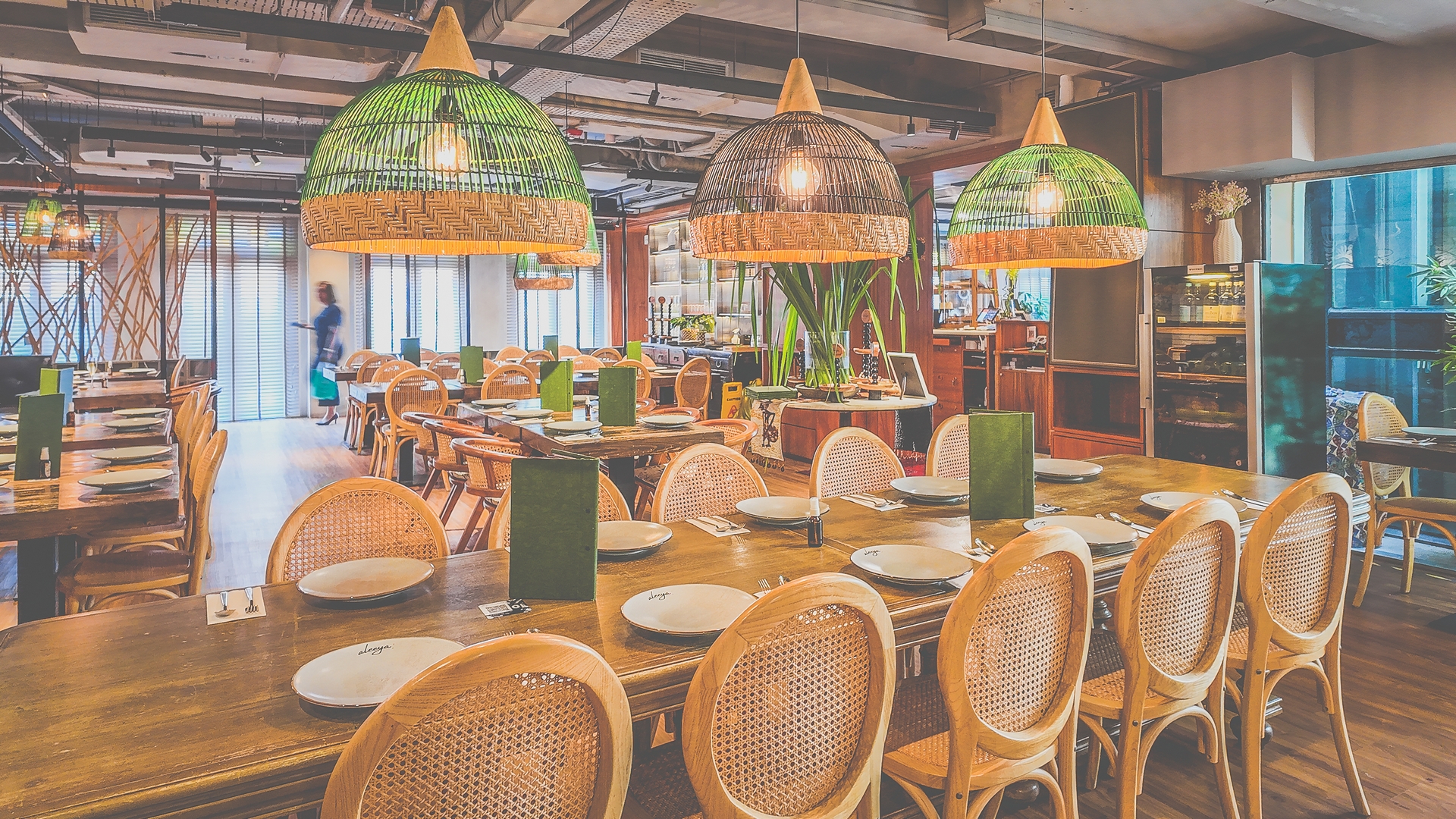
That distinction matters. The most successful contemporary interpretations of traditional food are rarely those that try hardest to modernise it. They understand what should remain untouched. At Aleeya, the character of the cuisine comes through in the details: the bitterness of melinjo, the perfume of kencur, the saline depth of belacan, the brightness of kaffir lime leaf and the dark sweetness of gula melaka.
The experience is therefore less about reinvention than continuity. Food here carries traces of family kitchens, kampong cooking and the broader movement of ingredients and traditions across the Malay Archipelago, while finding its place within the polished, cosmopolitan rhythm of Singapore dining.

Keropok Belinjo
Keropok belinjo arrives thin, delicate and crisp, the irregular surface catching the light before giving way with a clean crack between the teeth. Made from flattened melinjo seeds, the cracker carries an earthy aroma and a distinctive bitterness that lingers after the initial crunch. Beside it, sambal kicap brings a darker, glossier note, its sweet soy base scattered with chopped red chilli, garlic and shallots.
The contrast is what makes the opening bite compelling. The cracker’s brittle texture gives way to a slightly bitter, nutty aftertaste, while the sambal introduces sweetness first, followed by a measured rise of chilli. Garlic and shallot add savoury depth without obscuring the character of the melinjo, creating a small but carefully balanced exchange between sweetness, bitterness and heat.
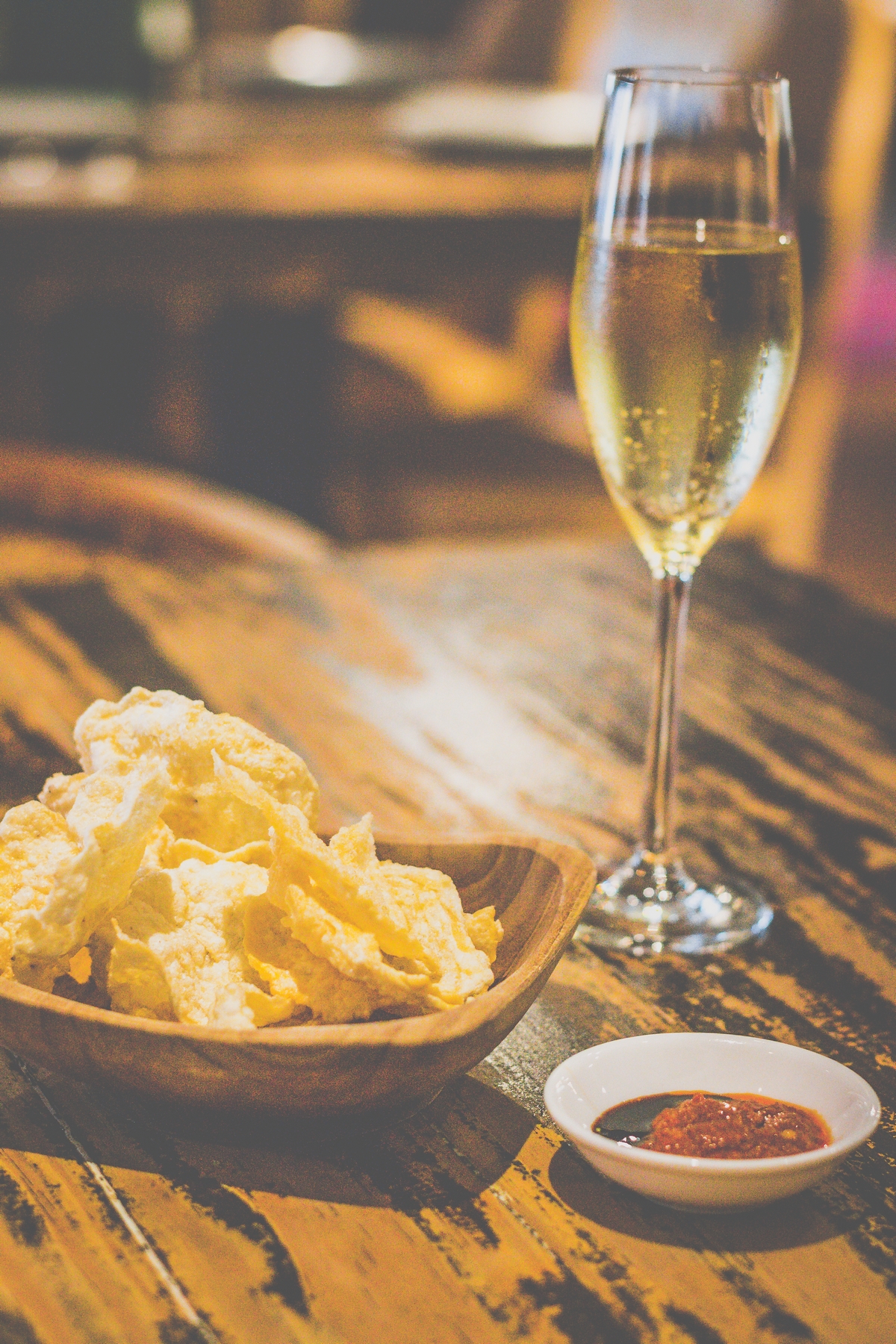
There is something pleasingly unadorned about it. Keropok belinjo is not trying to announce itself as an elaborate appetiser; it is a familiar regional snack allowed to retain its personality. Paired with sambal kicap, it sets the tone for a meal built around the contrasts that define much of Nusantara cooking.
Plus & Minus Nolo Prosecco NV is the suggested pairing, its effervescence providing a clean lift against the sweet soy and chilli. The bubbles refresh the palate after the cracker’s slightly bitter finish, while the wine’s freshness keeps the combination from becoming heavy. It is a useful beginning, particularly before the meal moves into richer territory.
Ketoprak
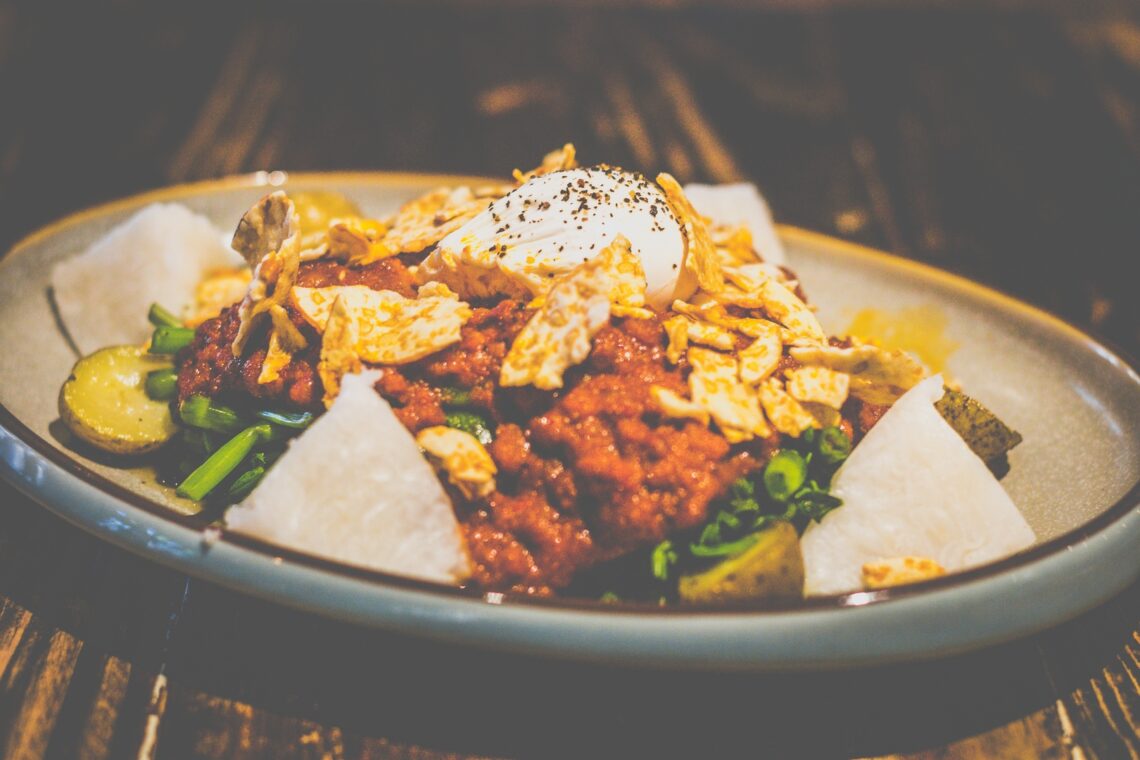
Ketoprak arrives as a generous composition of cabbage, poached egg, roasted baby potato and crisp tempeh chips, gathered beneath a coating of peanut sauce. The colours are earthy and natural, with the pale egg and potato offset by the darker sauce and golden tempeh. Kencur, or aromatic sand ginger, gives the dish an unmistakable fragrance even before the first bite.
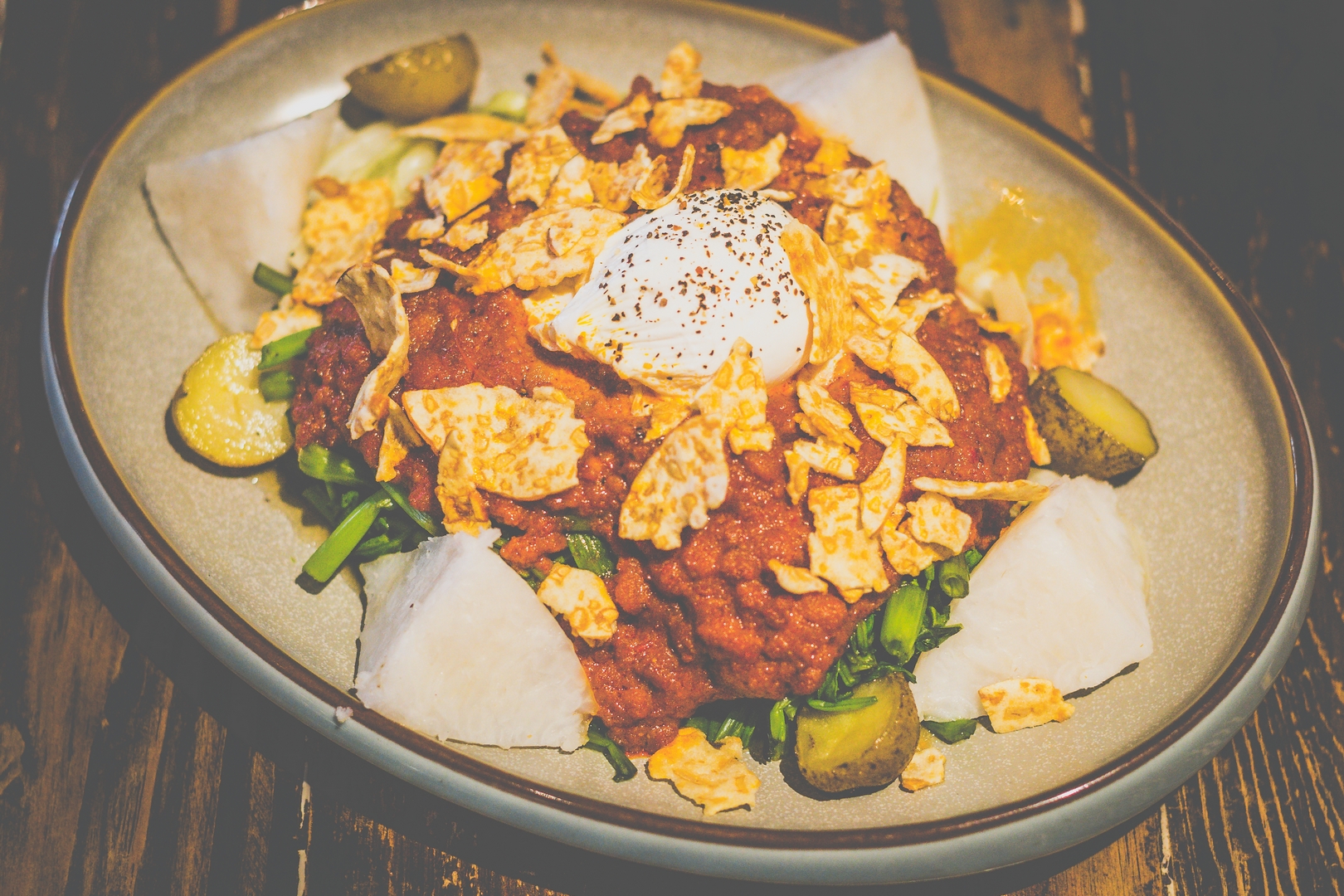
There is plenty happening in the texture. The roasted potato is soft and yielding, the egg adds richness, while tempeh chips provide the necessary crackle against the freshness of the cabbage. The peanut sauce brings everything together with a rounded savouriness, and the kencur contributes an aromatic, almost peppery warmth that gradually becomes more pronounced on the palate.
Ketoprak is the kind of dish that illustrates why Indonesian food can feel simultaneously comforting and complex. Nothing is excessive, yet every component has a purpose. The combination of vegetables, fermented tempeh, peanut and spice has the familiarity of home cooking, while the careful handling of texture gives it a more considered restaurant expression.
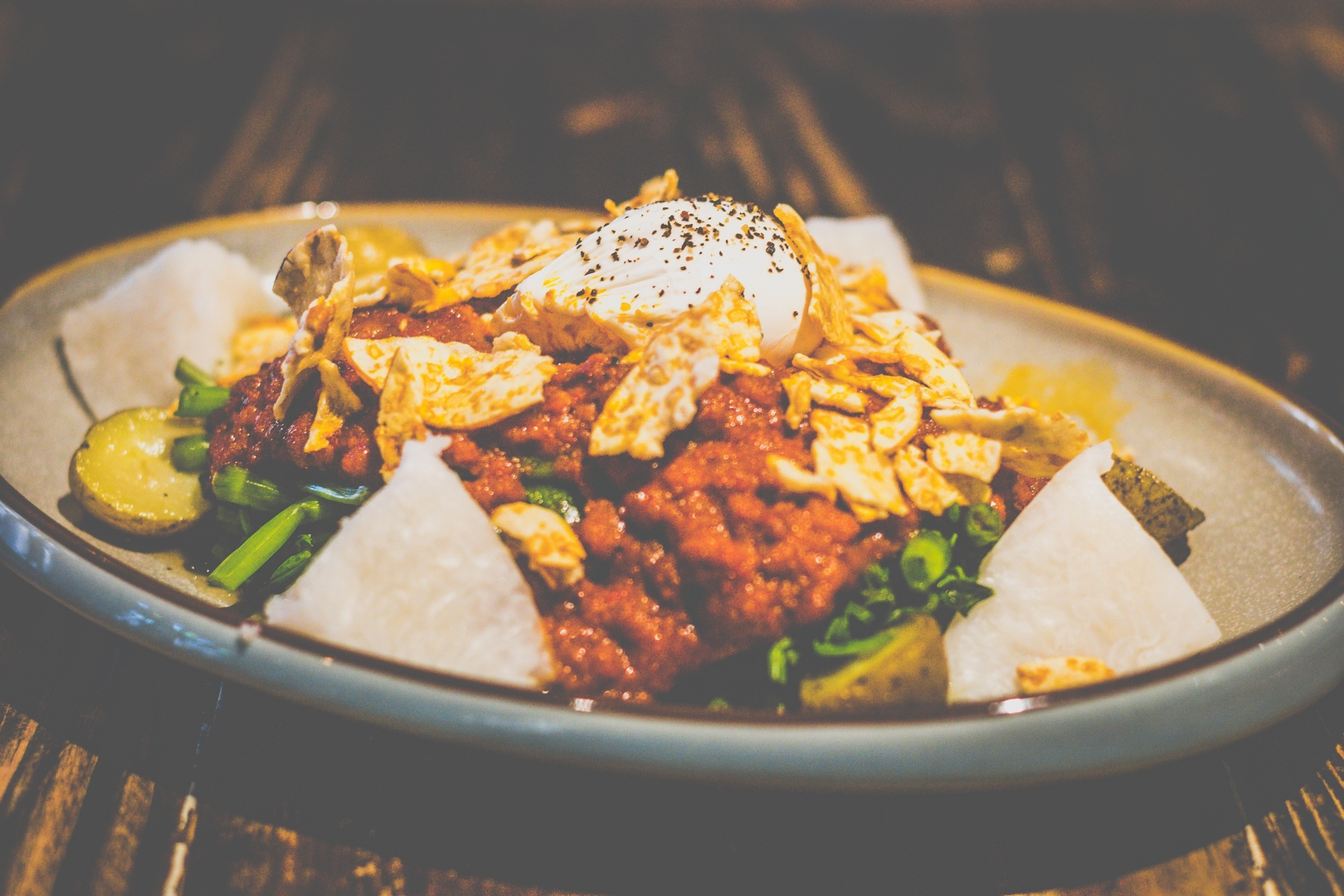
The suggested Plus & Minus Nolo Prosecco NV brings welcome brightness to the richness of the peanut sauce. Its effervescence cuts through the creamy texture while refreshing the palate after the tempeh and roasted potato. In turn, the kencur and savoury peanut flavours give the wine a more textured, gastronomic role than it might have at first suggest.
Asparagus Goreng Belacan
The asparagus goreng belacan is quieter in appearance but immediately aromatic. The asparagus is stir-fried with chilli and shrimp paste, leaving the vegetable’s natural green freshness intact beneath the deeper, fermented scent of belacan. There is little ornament here, which allows the ingredients themselves to define the dish.
The first impression is one of contrast: crisp, juicy asparagus against the dense savouriness of shrimp paste, followed by chilli that builds rather than overwhelms. Stir-frying gives the asparagus enough heat to take on the flavour of the belacan while retaining some of its natural snap. The result is distinctly Southeast Asian, with freshness and umami working side by side.
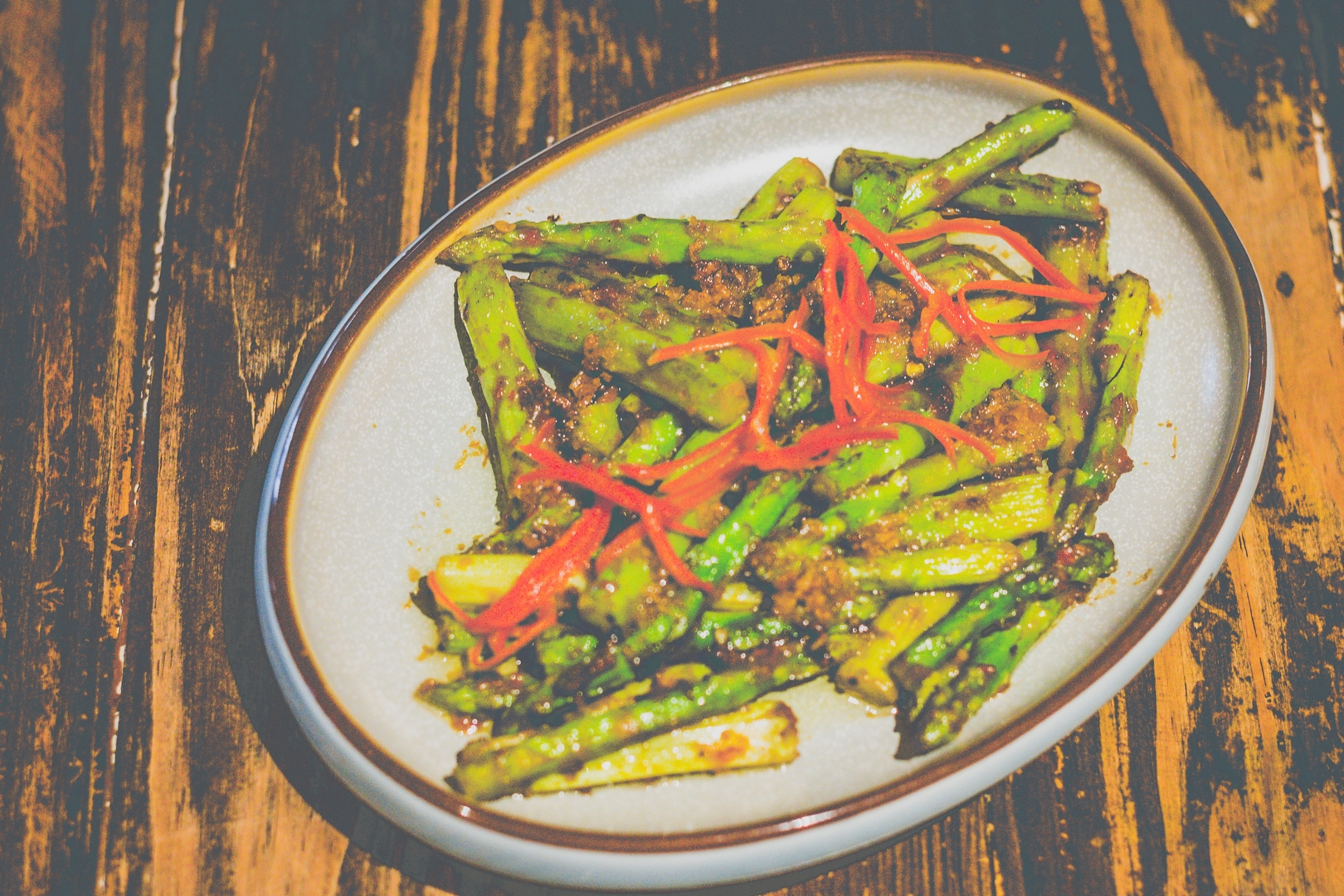
It is also a useful reminder that regional cooking does not require elaborate construction to be expressive. The dish takes a familiar vegetable and places it firmly within the Malay-Indo flavour vocabulary. What might otherwise be a simple side becomes something more aromatic and substantial, its character coming from the cooking rather than presentation.
Again, Plus & Minus Nolo Prosecco NV is the suggested pairing. The wine’s bubbles and freshness provide relief from the concentrated savouriness of the shrimp paste, while its lighter character allows the asparagus and chilli to remain at the forefront. The effect is cleansing rather than confrontational, making the pairing particularly suited to the dish’s combination of freshness and umami.
Bebek Irish Berempah Urap
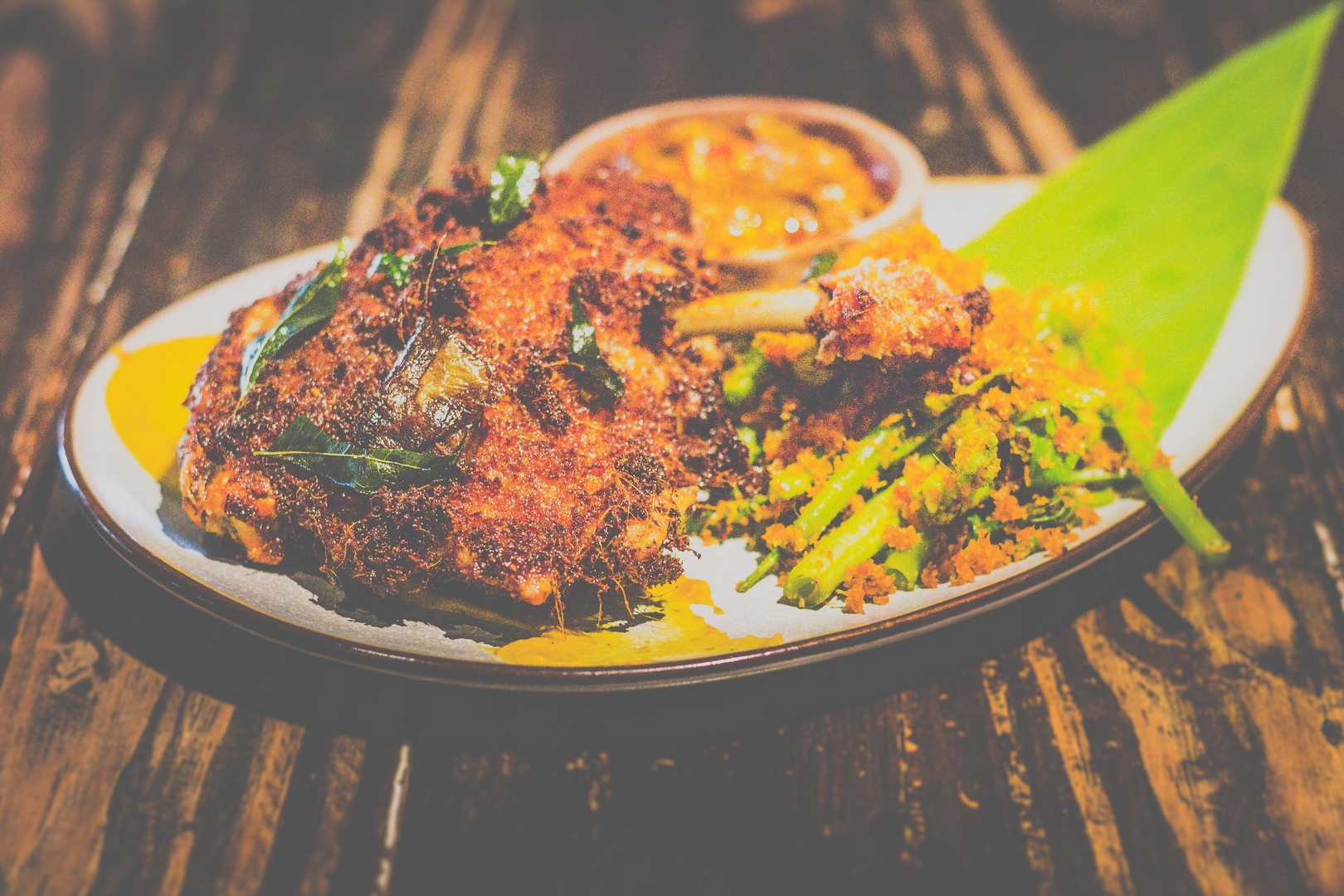
The bebek Irish berempah urap arrives with the weight and aroma one expects from a spice-led duck dish. The Irish quarter-leg is seasoned with a blend of spices and accompanied by Sambal Totok Jawa, creating an immediate impression of warmth and depth. The duck itself has a satisfying richness, with the spice clinging closely to the meat.
The flavour develops gradually rather than arriving as a single hit. The spices bring warmth and fragrance, while the duck’s natural richness gives them something substantial to work against. The Sambal Totok Jawa served alongside introduces another layer of intensity, allowing the diner to control the heat and sharpen the flavour according to taste.
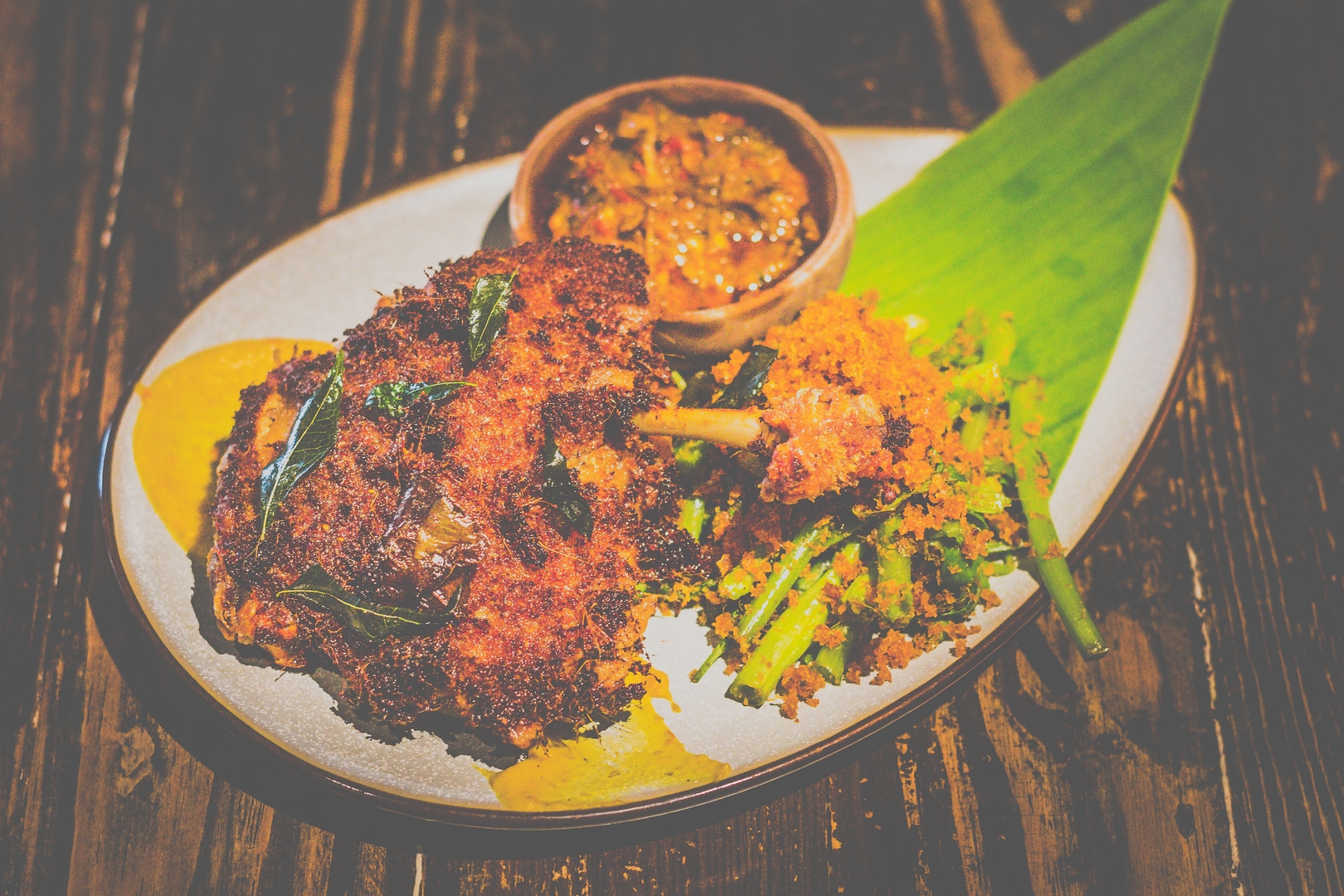
There is a sense of older culinary traditions in the dish, particularly in the way spice is used not simply for heat but to build aroma and character around a rich protein. Using Irish duck gives that tradition a different context, but the essential pleasure remains familiar: meat, spice and sambal brought together in a combination that feels generous and deeply rooted.
Plus & Minus Nolo Pinot Noir 2023 is suggested alongside the duck. Its acidity provides a necessary counterpoint to the richness of the meat, while its red-fruit character offers some softness against the aromatic spice. The pairing works best when the sambal is used judiciously, allowing the wine to remain supple rather than being overtaken by heat.
The Nusantara Steak
Ribeye
The 200-gram ribeye arrives with the unmistakable appeal of a properly chargrilled steak: a deeply coloured crust, a warm, savoury aroma and the gentle sheen of melting herb butter. This is an MBS 7–8 Argentina Frimsa grain-fed beef, richly marbled and visibly generous in its texture. The Asian dry rub of galangal, lemongrass, kaffir lime leaf, salt and pepper gives the exterior a fragrant, citrus-edged character, with a subtle heat that becomes apparent as the crust gives way to the meat beneath.
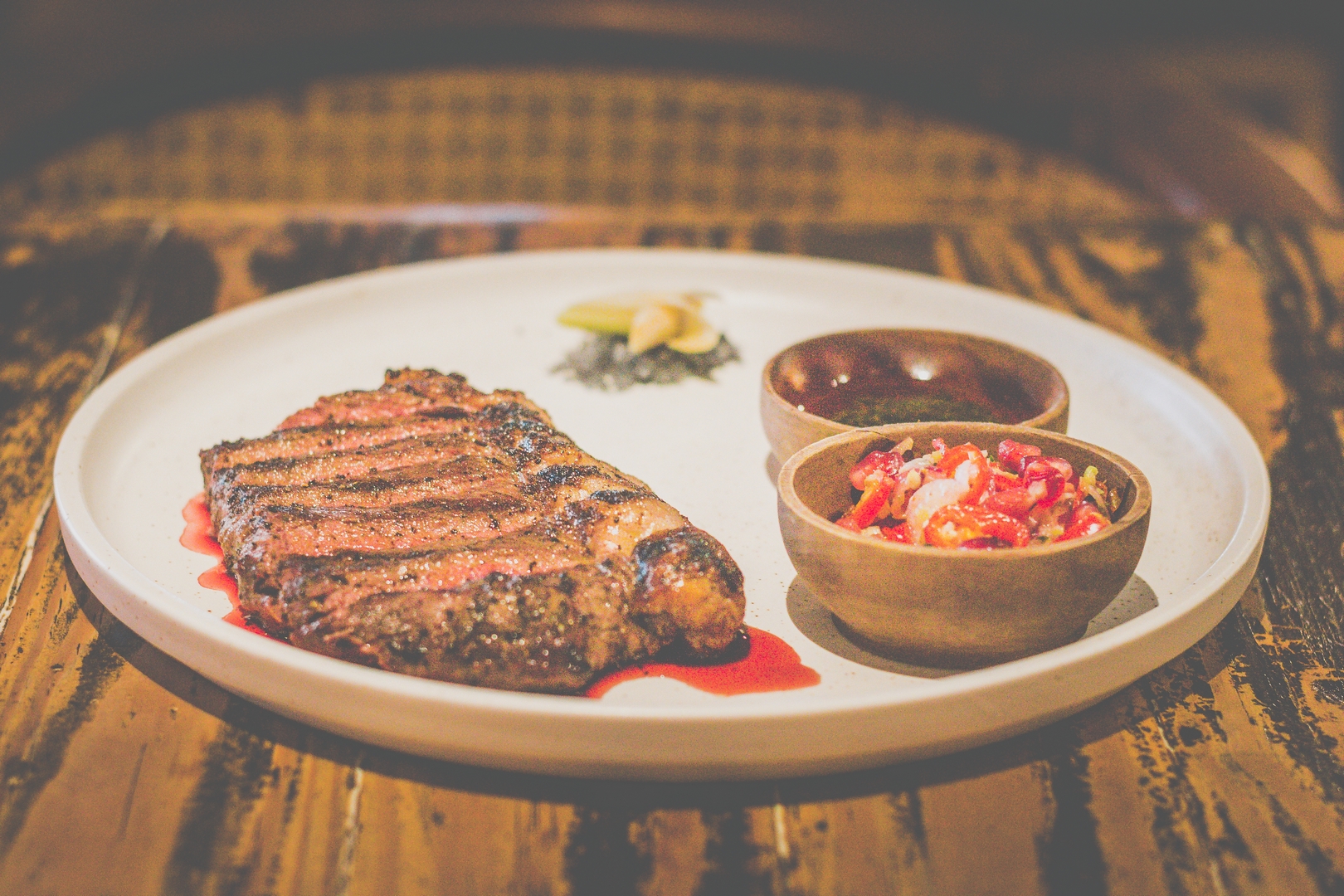
The richness of the beef is balanced by a seasoning that is distinctly Nusantaran. Galangal and lemongrass bring warmth and brightness, while kaffir lime leaf lends a lifted citrus note. The Asian herb butter, infused with fresh garlic, turmeric leaf, laksa leaf and garden herbs, melts into the charred surface, adding savoury depth without obscuring the flavour of the ribeye itself. On the side, Daun Churi — a chimichurri given a Nusantara interpretation — brings herbal freshness, while Sambal Mata Delima combines sliced shallot, lemongrass, kaffir lime leaves, pomegranate and coconut oil for a sharper, more aromatic counterpoint.
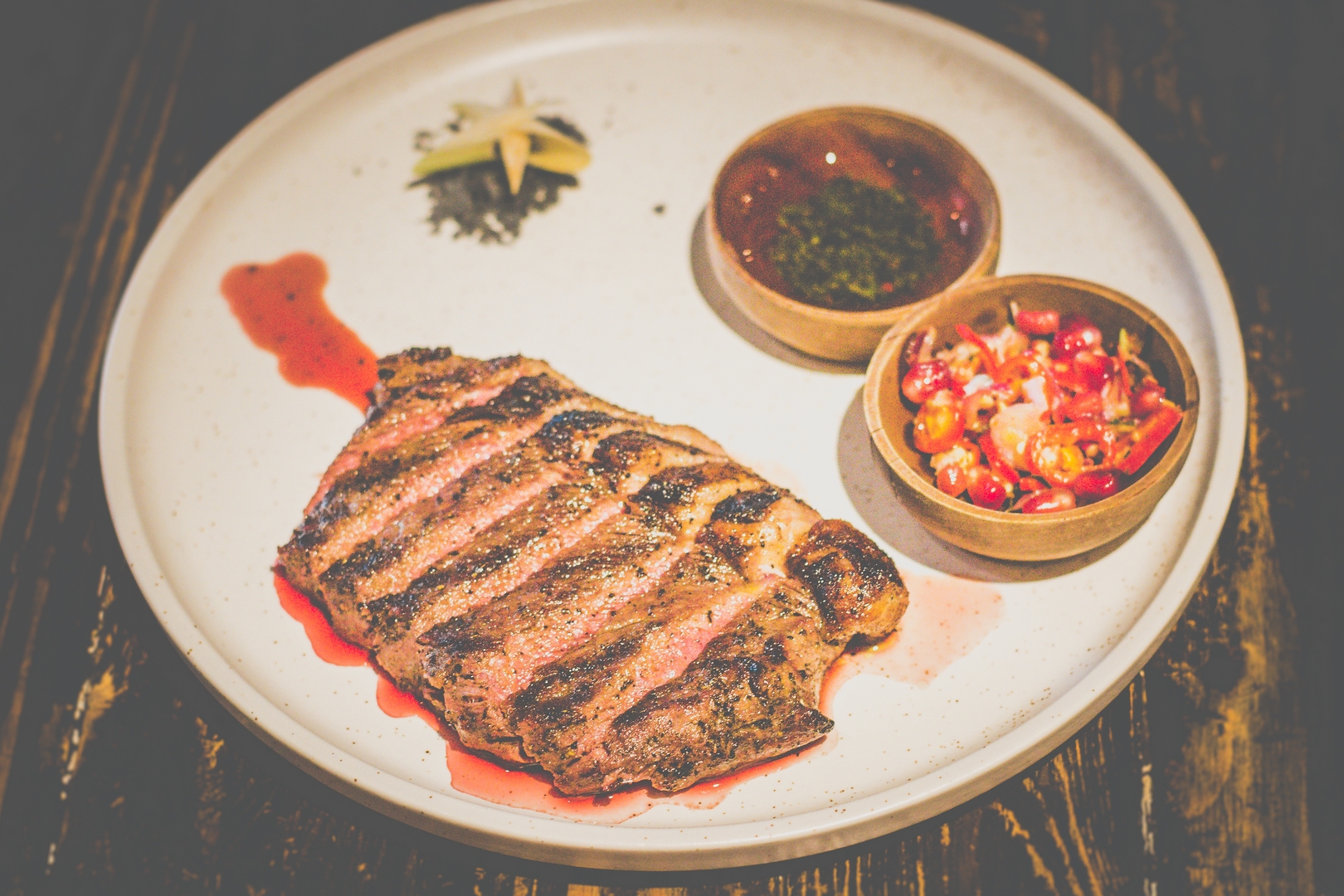
What makes the steak compelling is the way it moves between two culinary languages without forcing the comparison. The ribeye retains the pleasure of a richly marbled steak — buttery, full-bodied and deeply savoury — but the accompanying herbs, citrus leaves and sambal shift the experience towards the flavours of the Malay-Indo table. It is a confident expression of Aleeya’s approach to contemporary Nusantara cooking: familiar ingredients given a different sense of place, without losing what made them satisfying in the first place.
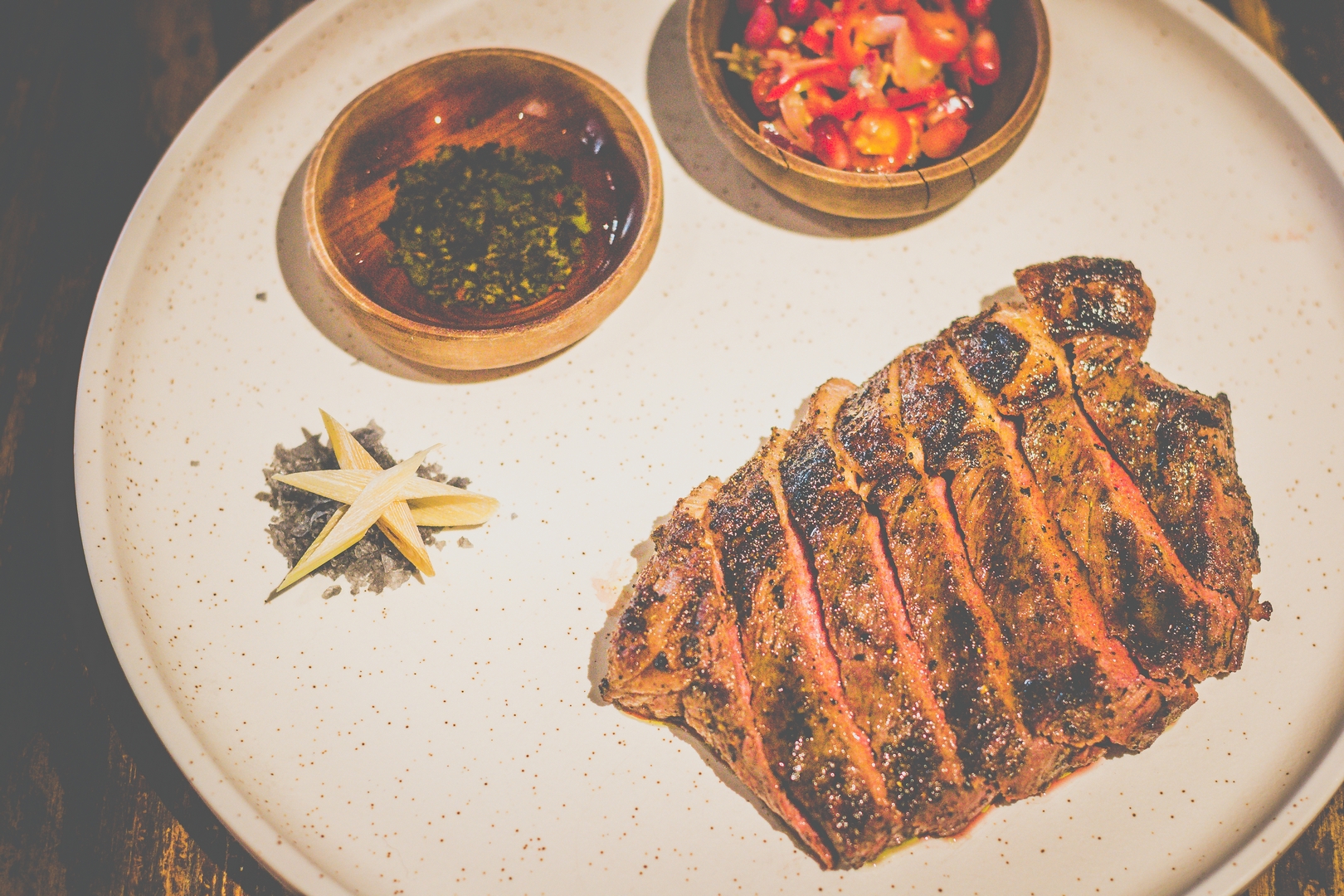
The suggested Plus & Minus Nolo Pinot Noir 2023 provides a lighter counterpoint to the ribeye’s richness. Its acidity helps refresh the palate after the marbled beef and herb butter, while its fruit character finds an appealing echo in the pomegranate within the Sambal Mata Delima. Rather than competing with the steak’s aromatic seasoning, the wine leaves space for the galangal, lemongrass and kaffir lime leaf to remain present, making the pairing feel particularly well suited to the dish’s balance of richness, spice and freshness.
Gula Melaka Gelato
The meal closes with something deliberately familiar: gula melaka gelato, smooth and creamy, accompanied by a café latte. After the chilli, belacan, aromatic herbs and richly marbled beef, the coolness of the gelato immediately changes the temperature of the experience. It is soft on the palate, with the deep sweetness of palm sugar lingering gently after each spoonful.

Gula melaka brings more character than a conventional sugar-based dessert, its sweetness darker and more rounded, with a distinctly Southeast Asian resonance. The café latte provides a contrasting warmth and mild bitterness, creating a simple interplay between the cool gelato and hot coffee. Neither element needs embellishment.

As an ending, it feels right. The meal has moved through the heat and perfume of the Nusantara pantry, and the final course returns to one of the region’s most familiar flavours. There is comfort in that familiarity — not the comfort of something overly rich or elaborate, but of a flavour that has existed in Southeast Asian kitchens long enough to feel instinctive.
The Flavours We Keep
What stays with you after a meal at Aleeya is not any single flourish, but the persistence of certain flavours. Melinjo’s quiet bitterness. The saline depth of belacan. The perfume of galangal and lemongrass released by the grill. Kaffir lime leaf cutting through richness. The dark, rounded sweetness of gula melaka at the end.
There is a certain logic to Aleeya’s cooking. It does not attempt to make Malay-Indo food unfamiliar in order to make it contemporary. Instead, it preserves the flavours that carry the strongest sense of place and allows better ingredients, careful preparation and a little restraint to do the updating.
That is perhaps where its charm lies. The dishes retain the warmth of food made to be remembered, while the setting gives them room to belong to Singapore now. For a cuisine so deeply shaped by movement, inheritance and adaptation, it feels like a natural place for these flavours to find a contemporary table.
Aleeya • Nusantara Heritage Cuisines
2 Dickson Rd, Singapore 209494 (Located in: Wanderlust by The Unlimited Collection)
Tel: 8299 5500
Aleeya – Experience the traditional flavours of Malay-Indo Cuisine